
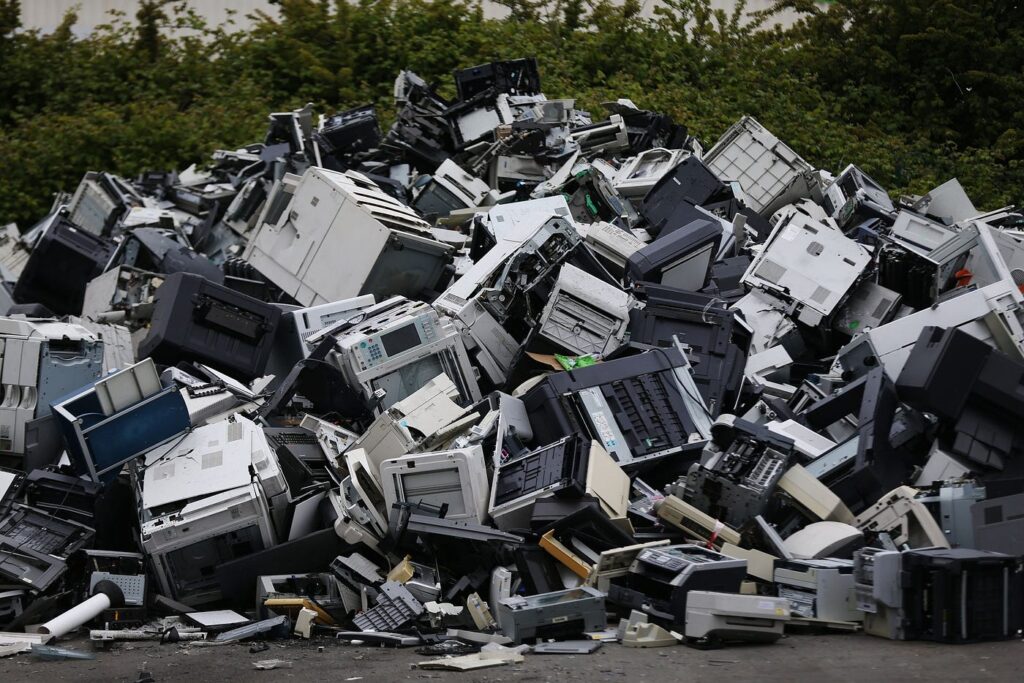
E-waste Collection, the fastest-growing waste stream globally, is a looming environmental and health threat. But amidst the challenge lies an opportunity to reimagine our relationship with technology and embrace responsible consumption. This blog post delves into the world of e-waste , exploring its importance, effective practices, and innovative solutions.
The Alarming Rise of E-waste
Every year, millions of tons of discarded electronic devices pile up in landfills and incinerators, leaching harmful toxins into the environment and posing serious health risks. A 2019 report by the United Nations University estimates that the world generated a staggering 53.6 million metric tons of e-waste in 2019, a figure expected to reach 74.7 million tons by 2030. This rapid growth is fueled by our insatiable appetite for new gadgets, coupled with shorter product lifespans and limited repair options.
The Urgency of Responsible E-waste Collection
E-waste contains a cocktail of hazardous materials, including lead, mercury, arsenic, and brominated flame retardants. Improper disposal of these devices can lead to:
- Soil and water contamination: Leaking toxins from e-waste can pollute soil and water sources, harming ecosystems and human health.
- Air pollution: Burning e-waste releases harmful pollutants like dioxins and furans into the atmosphere, contributing to respiratory problems and climate change.
- Loss of valuable resources: E-waste contains valuable metals and rare earth elements that can be recovered and recycled, conserving resources and reducing environmental impact.
Effective E-waste Collection Practices
Fortunately, numerous initiatives are working to combat the e-waste crisis. Here are some effective e-waste collection practices:
- Take-back programs: Manufacturers and retailers can establish take-back programs to collect used electronics for responsible recycling.
- Community collection events: Organizing regular e-waste collection events in communities makes it easier for residents to dispose of their unwanted devices.
- Curbside collection: Integrating e-waste collection into existing municipal waste management systems can increase accessibility and convenience.
- Deposit return schemes: Implementing deposit return schemes for specific e-waste items, like batteries or phones, incentivizes proper disposal.
Innovative Solutions for E-waste Collection
Technology is playing a crucial role in revolutionizing e-waste . Here are some innovative solutions:
- IoT-powered bins: Smart bins equipped with sensors can track e-waste levels and optimize collection routes, reducing costs and environmental impact.
- Blockchain-based platforms: Blockchain technology can ensure transparency and traceability in the e-waste recycling process, promoting responsible practices.
- AI-powered sorting robots: Robots powered by artificial intelligence can efficiently sort different types of e-waste, streamlining the recycling process.
Optimizing Your E-waste Collection Efforts
Whether you’re an individual, a business, or a community organization, there are steps you can take to optimize your e-waste collection efforts:
- Educate and raise awareness: Spread awareness about the importance of responsible e-waste disposal through educational campaigns and community outreach programs.
- Partner with e-waste recyclers: Collaborate with reputable e-waste recycling facilities to ensure proper handling and processing of collected devices.
- Support policy changes: Advocate for policies that promote extended producer responsibility and incentivize sustainable e-waste management practices.
Conclusion: A Collective Responsibility
E-waste is not just an environmental imperative; it’s a collective responsibility. By embracing responsible consumption habits, supporting effective e-waste collection initiatives, and advocating for sustainable solutions, we can collectively conquer the circuit and build a greener future for our planet.
References:
-
- United Nations University (2019). The 2019 Global E-waste Monitor. https://collections.unu.edu/eserv/UNU:7737/GEM_2020_def_july1.pdf
- International Labour Organization (2018). E-waste: A global challenge. https://www.ilo.org/sector/Resources/publications/WCMS_196105/lang–en/index.htm
- World Health Organization (2017). Health and environment: Addressing the health risks of e-waste. https://www.who.int/news/item/15-06-2021-soaring-e-waste-affects-the-health-of-millions-of-children-who-warns
Call to Action:
What are you doing to contribute to responsible e-waste collection? Share your thoughts and experiences in the comments below!