
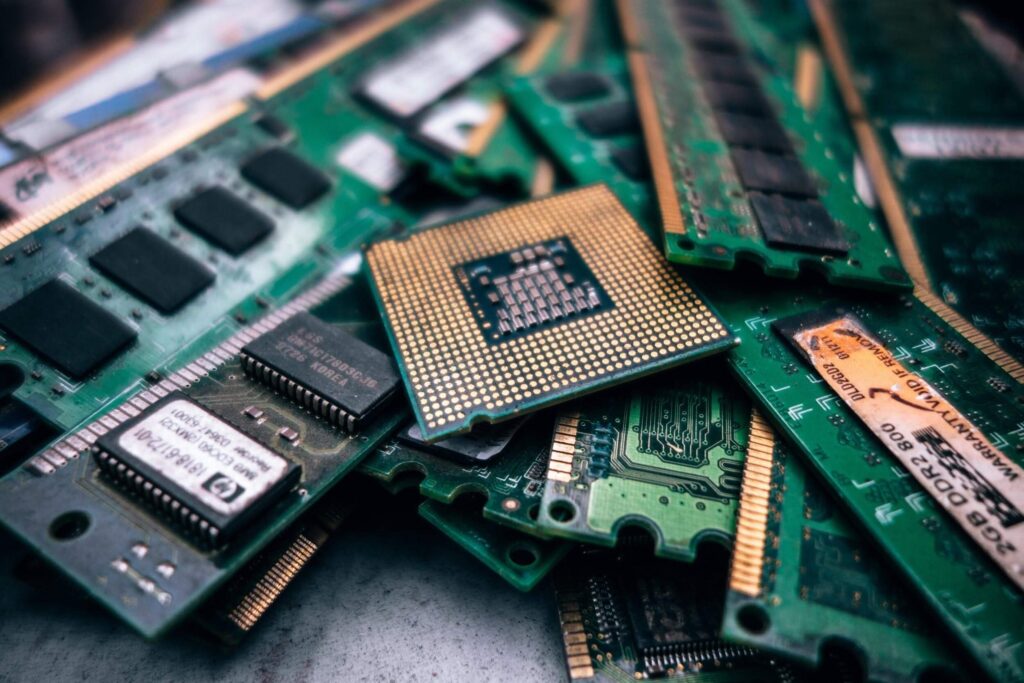
Introduction: In the era of rapid technological advancements, the issue of electronic waste (e-waste) poses a significant threat to our environment. Let’s explore the intricate relationship between e-waste and the environment, understanding the challenges and seeking sustainable solutions.
E-Waste Defined: E-waste, encompassing discarded electronic devices like smartphones, laptops, and appliances, poses environmental threats. Improper disposal leads to degradation due to hazardous materials like lead, mercury, and cadmium.
The Environmental Toll of E-Waste: E-waste contains toxic substances, contaminating soil and water, endangering ecosystems and human health. Additionally, electronic device production depletes resources, contributing to deforestation, mining, and increased energy consumption.
E-Waste and Climate Change: The management of e-waste, involving transportation and recycling, contributes to a significant carbon footprint, exacerbating climate change. Sustainable practices are imperative to alleviate these environmental impacts.
Sustainable Solutions:
- Responsible Disposal: Utilize e-waste recycling facilities for proper handling of electronic devices, mitigating environmental harm1.
- Extended Product Lifespan: Opt for repairing or upgrading devices to reduce the frequency of replacements.
- Promote E-Waste Awareness: Educate communities on the significance of responsible e-waste management, fostering a collective commitment to environmental well-being.
By adopting these sustainable solutions, we can collectively address the challenges posed by e-waste, ensuring a healthier environment for current and future generations.
United Nations Environment Programme (UNEP). (2022). “Solving the E-waste Problem.