
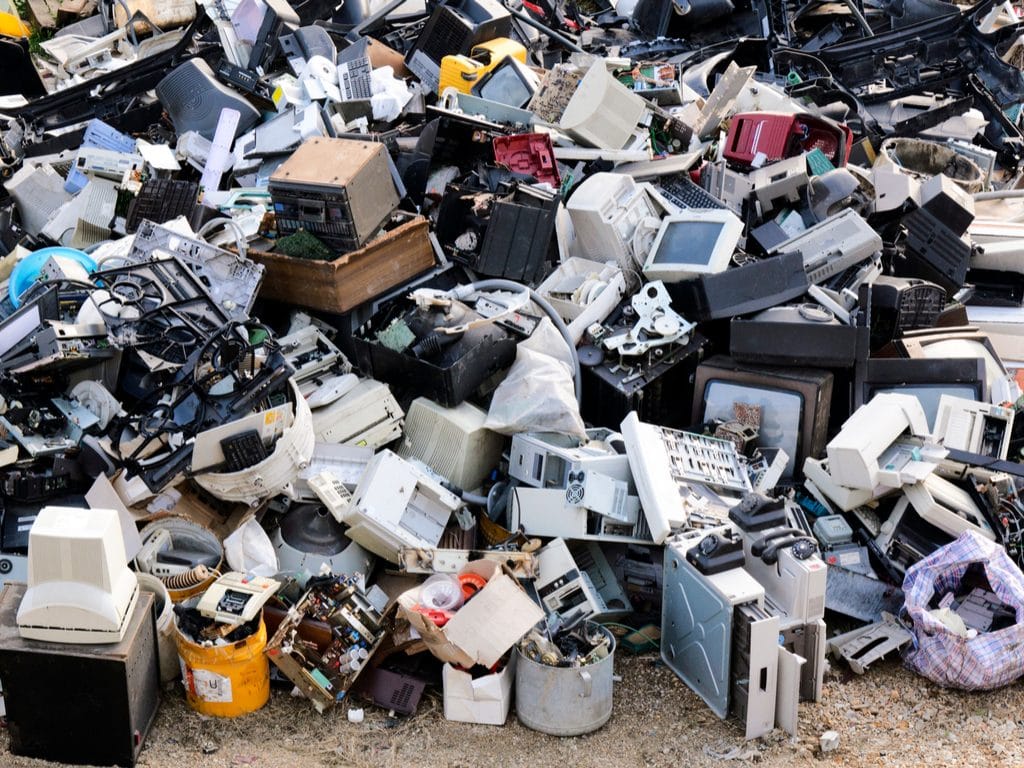
Introduction: In the age of rapid technological evolution, electronic waste (e-waste) has emerged as a critical environmental concern. This blog explores the challenges of e-waste and sheds light on the crucial aspect of its recovery for a sustainable future.
Understanding E-Waste: E-waste encompasses discarded electronic devices, from smartphones to appliances, containing hazardous materials. Proper disposal is vital to prevent environmental degradation caused by substances like lead, mercury, and cadmium.
The Call for Recovery:
- Environmental Impact: Discarded electronics contribute to soil and water pollution, posing risks to ecosystems and human health.
- Resource Depletion: Electronic device production demands significant resources, contributing to deforestation, mining, and heightened energy consumption.
E-Waste Recovery Methods:
- Recycling Facilities: Utilize specialized e-waste recycling centers for environmentally responsible disposal[^1^].
- Reuse and Refurbishment: Extend the life of electronic devices by promoting repair, refurbishment, and secondary market opportunities.
- Resource Extraction: Explore advanced recovery techniques to extract valuable materials from e-waste, reducing the need for new resource extraction.
Conclusion: E-waste is a pivotal step in mitigating the environmental consequences of electronic consumption. By embracing recycling, reuse, and innovative recovery methods, we can transform e-waste into a resource and contribute to a more sustainable and circular economy.
References:
- United Nations Environment Programme (UNEP). (2022). “Solving the E-waste Problem.”