
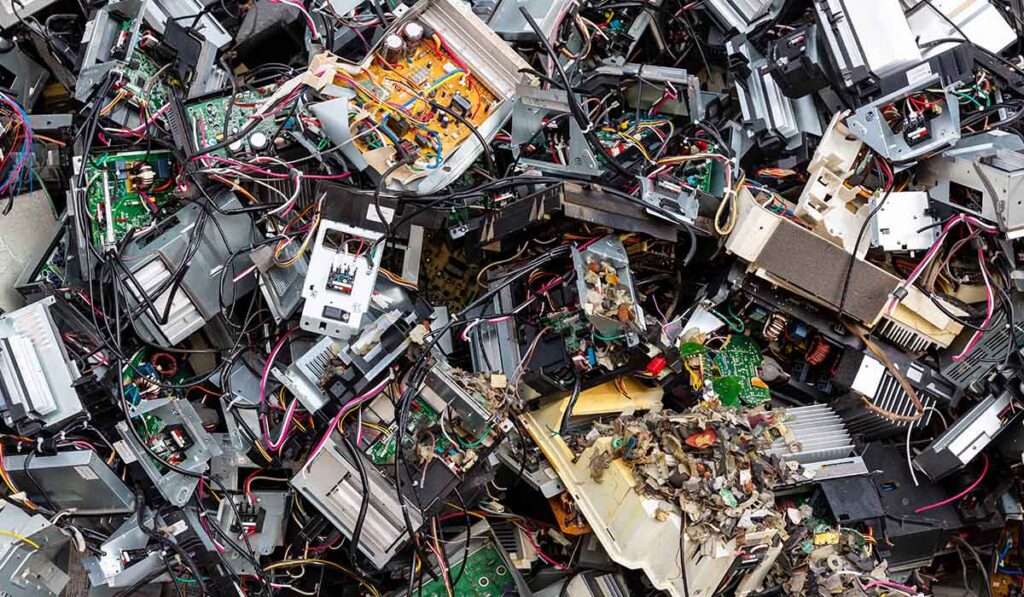
E-waste. It’s the bane of our tech-obsessed world, a mountain of discarded gadgets overflowing landfills and leaching toxins into the environment. But amidst the chaos, there’s a glimmer of hope: responsible e-waste management. And at the heart of it all lies comparison.
That’s right, knowing how different e-waste disposal options stack up is crucial for making informed choices. So, buckle up, eco-warriors, because we’re diving deep into a 41-point comparison battle royale between various e-waste management methods.
Round 1: The Contenders
In one corner, we have the traditional titans:
- Landfills: The OG dumping ground, convenient but oh-so-polluting. Think toxic soup and methane monsters.
- Incineration: Burns e-waste to ashes, reducing volume but spewing nasty air pollutants. Not exactly a breath of fresh air.
In the other corner, the sustainability champions:
- Formal recycling: Experts dismantle and process e-waste, recovering valuable materials and giving gadgets a second life. Think phoenix rising from the ashes (of circuit boards).
- Informal recycling: Resourceful individuals collect and reassemble e-waste, often in developing countries. Can be risky due to hazardous materials and unfair working conditions, but also offers valuable livelihoods.
Round 2: The Bouts (41 Comparisons!)
Environmental Impact:
- Landfills: Huge ecological footprint, contaminating soil and water with heavy metals and chemicals.
- Incineration: Air pollution galore, releasing harmful dioxins and greenhouse gases.
- Formal recycling: Minimizes environmental impact by recovering resources and preventing pollution.
- Informal recycling: Can be both damaging (improper handling of hazardous materials) and beneficial (reduced waste, job creation).
Resource Recovery:
- Landfills: Buried treasure? More like buried potential. Valuable materials locked away forever.
- Incineration: Turns resources into smoke signals. Up in flames goes the potential for reuse.
- Formal recycling: Champion of resource recovery, extracting precious metals and minerals for future generations.
- Informal recycling: Can be surprisingly efficient at resource recovery, but often lacks proper infrastructure and regulations.
Human Health:
- Landfills: Leaky landfills contaminate drinking water and expose communities to toxins. Health hazard, anyone?
- Incineration: Air pollution from incineration can trigger respiratory problems and exacerbate existing health conditions.
- Formal recycling: Properly managed recycling protects workers and communities from hazardous materials.
- Informal recycling: Can expose workers to health risks due to lack of protective equipment and awareness.
Economic Benefits:
- Landfills: Creates minimal jobs, mostly in waste collection and landfill management. Not exactly an economic boom.
- Incineration: High operational costs and limited job creation. Not the economic engine we’re looking for.
- Formal recycling: Creates green jobs in recycling facilities, boosting the circular economy.
- Informal recycling: Can provide income for marginalized communities, but often operates in the informal sector with limited economic security.
Accessibility and Convenience:
- Landfills: Easy peasy, just toss it in the bin and forget about it. (But not in a good way…)
- Incineration: Requires specialized facilities and infrastructure, not readily available everywhere.
- Formal recycling: Varies depending on location. Some areas have robust recycling programs, while others lag behind.
- Informal recycling: Often operates in areas with limited formal recycling options, providing accessible disposal channels.
Legality and Regulation:
- Landfills: Depends on local regulations. Some countries have strict landfill controls, while others are lax.
- Incineration: Subject to environmental regulations to minimize air pollution, but enforcement can vary.
- Formal recycling: Generally well-regulated to ensure responsible handling of e-waste.
- Informal recycling: Often operates outside of formal regulations, raising concerns about worker safety and environmental practices.
Transparency and Accountability:
- Landfills: What happens once it’s in the landfill? A black hole of obscurity.
- Incineration: Similar black box effect. We know it burns, but what happens to the ashes and emissions?