
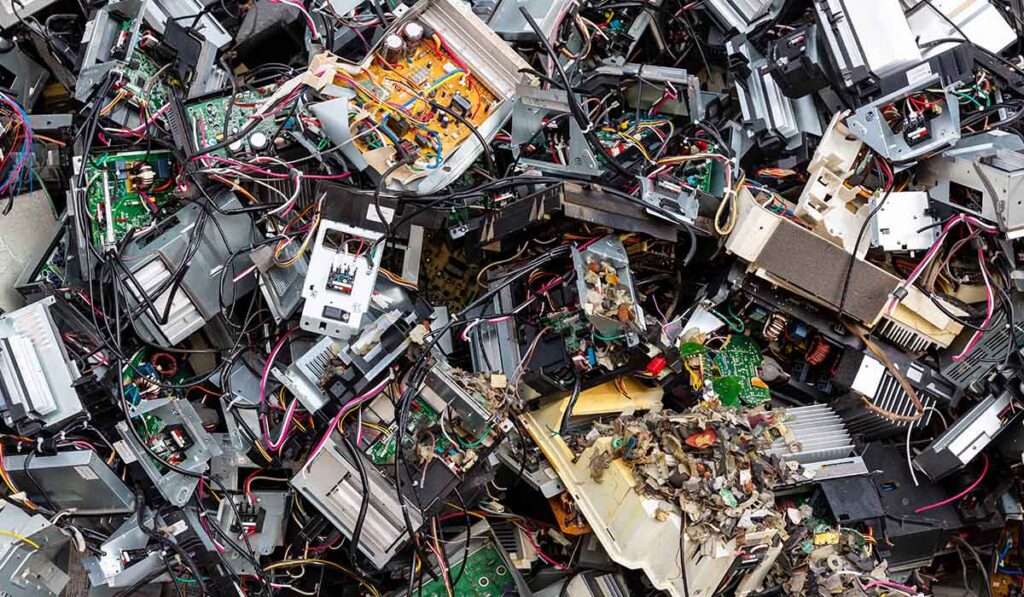
The term “e-waste” has become ubiquitous, thrown around in news headlines and environmental campaigns. But for some, it remains a cryptic acronym. So, what does E-waste stand for? And, more importantly, why should we care?
The Simple Answer:
E-waste is short for electronic waste. It encompasses any discarded electrical or electronic equipment (EEE) once it reaches its end of life. This includes everything from smartphones and laptops to refrigerators and washing machines. The “waste” element emphasizes that these items are no longer in use and require proper disposal or recycling.
Beyond the Acronym:
E-waste is more than just a discarded gadget. It represents a fast-growing global problem with far-reaching consequences. Here’s why:
- Environmental Threat: E-waste contains hazardous materials like lead, mercury, and arsenic, which can leach into soil and water, polluting the environment and posing health risks. Improper disposal can lead to landfilling, taking up valuable space and releasing harmful toxins.
- Resource Depletion: Manufacturing electronics requires extracting precious resources like metals and rare earth elements. Discarded e-waste represents a loss of these vital resources, making responsible recycling crucial for resource conservation.
- Health Concerns: Improper handling of e-waste exposes workers in informal recycling sectors to dangerous toxins. Additionally, burning e-waste releases toxic fumes, harming both workers and nearby communities.
Taking Action:
Understanding the significance of e-waste is the first step. Now, let’s explore what we can do to address this issue:
- Responsible Disposal: Research proper disposal options for your e-waste. Many electronics retailers offer take-back programs, and local e-waste collection events are becoming increasingly common.
- Repair and Reuse: Before discarding, consider if the item can be repaired or repurposed. Extending the life of your electronics reduces e-waste and saves resources.
- Sustainable Choices: Invest in durable, energy-efficient electronics whenever possible. Choose products with longer warranties and repairability options.
Unplugging the Problem:
E-waste isn’t just an acronym; it’s a call to action. By understanding its meaning and consequences, we can unlock solutions to this growing problem. By adopting responsible disposal practices, prioritizing repair and reuse, and making sustainable choices, we can work together to unplug the e-waste crisis and build a healthier future for our planet and ourselves.
References:
- United Nations Environment Programme: https://www.unep.org/ietc/what-we-do/e-waste-management
- Environmental Protection Agency: https://brainly.com/question/37893115
- International Telecommunication Union: https://www.itu.int/