
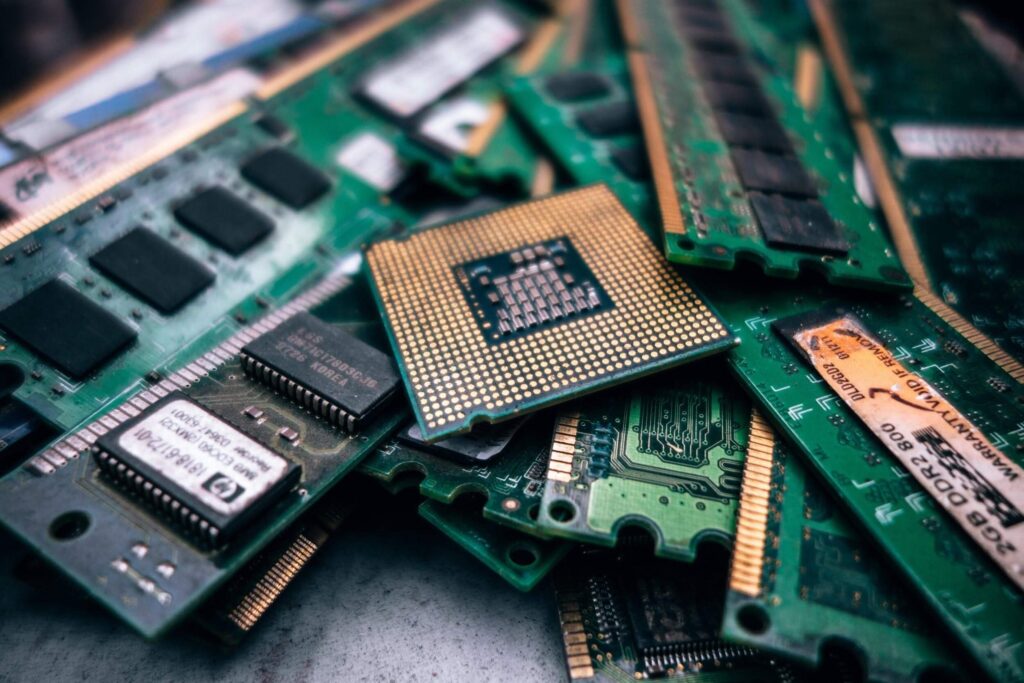
In our technologically driven world, the rapid consumption and disposal of electronic devices contribute to a growing concern – electronic waste, or e-waste. The repercussions of improper e-waste management can have far-reaching environmental consequences. Let’s delve into the question: What can e-waste cause?
Toxic Leachates and Soil Contamination: E-waste is often laden with hazardous materials such as lead, mercury, and cadmium. Improper disposal, such as dumping electronics in landfills, can result in the leaching of these toxic substances into the soil. This contamination poses a severe threat to the fertility of the land and can have detrimental effects on plant and microbial life.
Water Pollution and Human Health Risks: As e-waste toxins leach into the soil, there is a high risk of contaminating nearby water sources. This pollution can affect aquatic ecosystems and, in turn, pose threats to human health. Consuming water contaminated with hazardous materials from e-waste can lead to a range of health issues, including neurological disorders and developmental abnormalities.
Airborne Hazardous Particles: E-waste disposal methods, such as incineration, release hazardous particles into the air. These airborne pollutants can contribute to air pollution, affecting both the environment and human respiratory health. Prolonged exposure to these pollutants may lead to respiratory diseases and other respiratory-related complications.
Electronic Waste and Climate Change: The production, transportation, and disposal of electronic devices contribute to carbon emissions, contributing to climate change. E-waste management processes, including recycling and incineration, release greenhouse gases into the atmosphere. Addressing e-waste is not only an environmental concern but also a critical aspect of global efforts to combat climate change.
Mitigating the Impact: To address the question of what e-waste can cause, proactive measures are essential. Responsible e-waste disposal, recycling initiatives, and raising awareness about the environmental impact of e-waste are crucial steps toward mitigating these issues.
For further insights into the environmental impact of e-waste, refer to reputable sources such as Greenpeace’s Guide to Greener Electronics and The Basel Action Network (BAN). Understanding the consequences of e-waste empowers us to make informed choices for a sustainable and healthier future.