
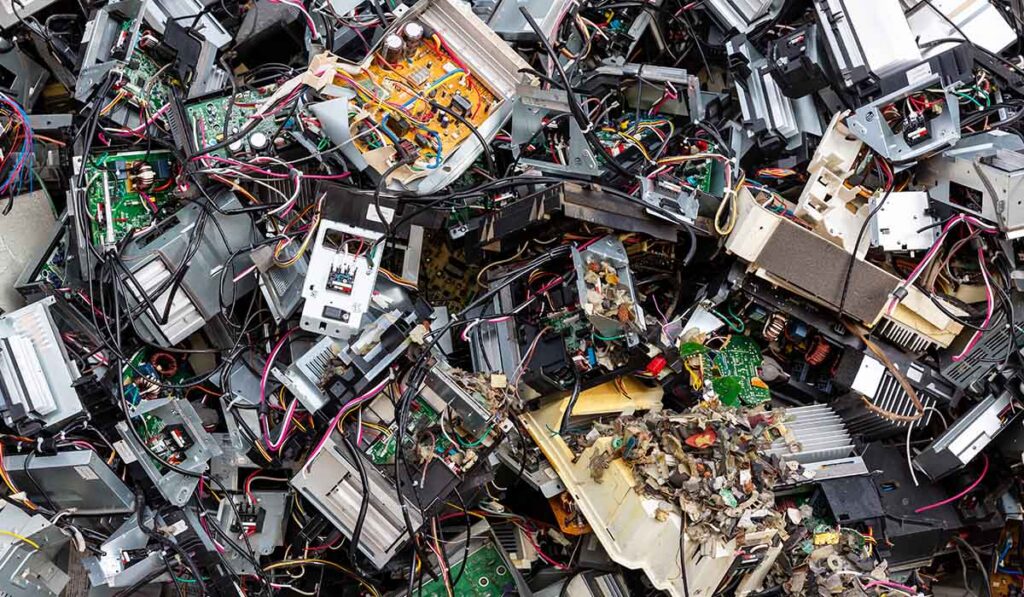
The ubiquitous glow of our smartphones, the whirring hum of our laptops, the sleek screens of our TVs – these technological marvels have become an essential part of our lives. But what happens when these devices reach the end of their lifespan? Our beloved gadgets, unfortunately, transform into mountains of “e-waste” – a growing global challenge with environmental and health consequences.
So, who takes e-waste? The answer is not as simple as tossing it in the bin. Thankfully, there are numerous options for responsible disposal, each with its own advantages and limitations.
1. Official E-Waste Collection Programs:
- Government-backed initiatives: Many countries have established e-waste collection programs, often in partnership with electronics manufacturers. These programs provide designated drop-off points or even offer pick-up services. Check your local government website or environmental agency for details.
- Retailer take-back programs: Major electronics retailers like Best Buy, Staples, and Microsoft often accept used electronics for recycling. This is a convenient option, especially when buying new devices.
2. E-Waste Recycling Organizations:
- Non-profit organizations: Dedicated e-waste recycling organizations like e-Stewards and the Responsible Recycling Partnership offer safe and ethical disposal options. They ensure proper dismantling and recycling of materials, minimizing environmental impact.
- Private recycling companies: Many private companies specialize in e-waste recycling. Research their practices and certifications to ensure responsible disposal.
3. Alternative Options:
- Refurbishing and resale: If your electronics are still functional, consider refurbishing and reselling them. This gives them a new lease on life and reduces the need for new production. Online platforms like eBay and Facebook Marketplace offer excellent avenues for reselling.
- Donation: Working electronics can be donated to charities, schools, or community centers, providing valuable resources to those in need.
Remember:
- Check the type of ewaste: Different types of electronics have different disposal requirements. Batteries, for example, require special handling.
- Data security: If your electronics contain sensitive data, take steps to erase it before disposal. Software wiping tools are readily available.
- Ask questions: Don’t hesitate to contact e-waste collection facilities or recycling organizations to inquire about their specific procedures and certifications.
Taking responsibility for our e-waste is crucial for protecting the environment and ensuring the health of our communities. By understanding who takes ewaste and choosing responsible disposal options, we can contribute to a more sustainable future.
References:
- Environmental Protection Agency (EPA): https://www.epa.gov/international-cooperation/cleaning-electronic-waste-e-waste
- e-Stewards: https://e-stewards.org/
- Responsible Recycling Partnership: https://recyclingpartnership.org/implementingpolicy/
- World Economic Forum: https://www.weforum.org/agenda/2023/10/recycle-e-waste-old-phone-chargers/