
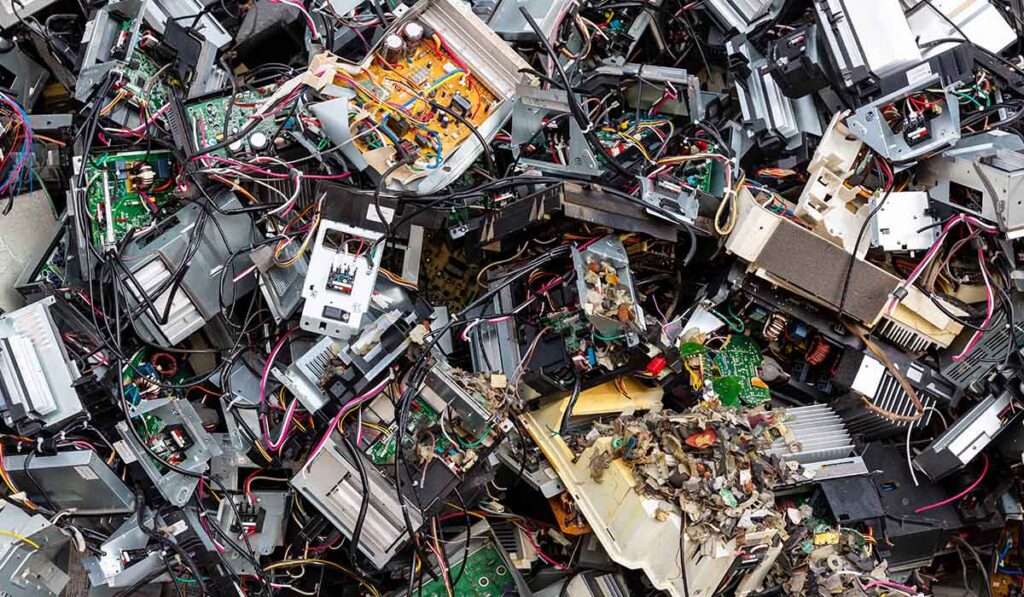
Definition of Waste-to-Energy
Waste-to-energy is a cutting-edge approach that harnesses the potential of municipal solid waste to generate electrical energy. As societies increasingly seek sustainable alternatives, the concept of converting waste into a valuable resource has gained momentum, offering a promising solution to both waste management and energy production challenges.
Growing Interest in Sustainable Energy Solutions
With the pressing need for environmentally friendly energy sources, the spotlight is on innovative technologies that can transform waste materials into electrical energy. This article explores the intriguing realm of waste-to-energy, delving into its possibilities, benefits, and the path towards a more sustainable future.
The Basics of Waste-to-Energy
Conversion Processes
Waste-to-energy involves various conversion processes, each designed to extract energy from different types of waste. These processes include incineration, anaerobic digestion, and gasification. Understanding these methods is crucial to evaluating the potential of waste-to-energy solutions.
Types of Waste Suitable for Energy Conversion
Not all waste materials are equally suitable for energy conversion. Exploring the types of waste that can be effectively used in waste-to-energy processes sets the foundation for developing efficient and environmentally friendly systems.
Can Waste Be Converted to Electrical Energy?
Exploring the Feasibility
The fundamental question is whether waste can be a reliable source of electrical energy. This section examines the feasibility of waste-to-energy, considering technological advancements and the evolving landscape of sustainable energy solutions.
Environmental Benefits of Waste-to-Energy
Converting waste to electrical energy brings substantial environmental benefits. It contributes to the reduction of landfill waste, mitigates greenhouse gas emissions, and provides an additional source of clean energy for communities.
Waste-to-Energy Technologies
Incineration
Incineration is a well-established waste-to-energy technology that involves burning waste materials to generate heat and, subsequently, electricity. While effective, it raises concerns about air emissions and requires advanced pollution control measures.
Anaerobic Digestion
Anaerobic digestion is a biological process where microorganisms break down organic waste in the absence of oxygen, producing biogas that can be used for electricity generation. This method is particularly suitable for organic waste like food scraps.
Gasification
Gasification is a thermochemical process that converts carbon-containing materials into syngas, which can then be used to produce electricity. It offers versatility in handling various types of waste and has a lower environmental impact compared to incineration.
Benefits of Converting Waste to Electrical Energy
Reduction of Landfill Waste
One of the primary benefits of waste-to-energy is the significant reduction of landfill waste. By diverting waste from landfills and utilizing it for energy generation, communities can address the challenges associated with limited landfill space.
Mitigation of Greenhouse Gas Emissions
Waste decomposition in landfills produces methane, a potent greenhouse gas. Waste-to-energy processes help mitigate these emissions by capturing and utilizing the gases for energy production, contributing to climate change mitigation efforts.
Energy Generation for Sustainable Development
Waste-to-energy contributes to sustainable development by providing an additional source of clean energy. This is particularly crucial in regions striving to meet increasing energy demands while minimizing environmental impact.
Challenges and Considerations
Environmental Concerns
While waste-to-energy presents numerous benefits, there are valid environmental concerns. Emissions from incineration, potential air pollution, and the impact of ash disposal require careful consideration to ensure the overall sustainability of the process.
Technological Limitations
Waste-to-energy technologies are continuously evolving, but certain limitations persist. The efficiency of energy conversion, technological costs, and the need for advanced infrastructure pose challenges to widespread adoption.
Public Perception
Public perception plays a significant role in the success of waste-to-energy projects. Addressing concerns, providing transparent information, and involving communities in decision-making processes are essential for fostering public support.
Waste-to-Energy Success Stories
Global Initiatives
Waste-to-energy initiatives have proven successful on a global scale. Case studies showcasing projects that have effectively converted waste into electricity highlight the potential impact on waste management and sustainable energy generation.
Positive Impacts on Communities
Local communities benefit from waste-to-energy projects through job creation, reduced environmental pollution, and access to reliable and sustainable energy sources. These positive impacts underscore the potential of waste-to-energy as a community-driven solution.
The Future of Waste-to-Energy
Technological Advancements
The future of waste-to-energy holds promising technological advancements. Ongoing research and development aim to enhance efficiency, reduce environmental impact, and expand the range of waste materials that can be effectively converted.
Integration into Circular Economy Models
Waste-to-energy aligns with the principles of the circular economy, where resources are used, reused, and recycled in a continuous loop. Integrating waste-to-energy into circular economy models further enhances its sustainability and long-term viability.
Misconceptions About Waste-to-Energy
Addressing Common Myths
As with any innovative concept, waste-to-energy is surrounded by misconceptions. Addressing common myths, such as concerns about safety and environmental impact, is crucial for fostering informed discussions and decision-making.
Clarifying Facts
Providing clear and accurate information is key to dispelling misconceptions. Clarifying the facts about waste-to-energy processes, safety measures, and environmental safeguards ensures a well-informed public discourse.
Government Policies and Regulations
Support for Waste-to-Energy Projects
Government support is pivotal in driving the adoption of waste-to-energy solutions. Policies that incentivize sustainable practices, provide funding for research and development, and regulate emissions contribute.