
Defining the Connection Between Waste and Climate Change
The intricate relationship between waste and climate change is often overlooked in discussions about environmental impact. Can waste cause climate change? This article delves into the ways different types of waste contribute to climate change and the urgent need for sustainable waste management practices.
The Environmental Impact of Various Types of Waste
Understanding the environmental repercussions of various waste categories is crucial. From greenhouse gas emissions to pollutants affecting ecosystems, waste plays a significant role in the global climate crisis. Let’s explore the nuances of this connection.
The Relationship Between Waste and Climate Change
Greenhouse Gas Emissions from Waste
Greenhouse gases, including methane and carbon dioxide, are byproducts of waste decomposition. Landfills and various waste management processes release these gases, contributing to the greenhouse effect and global warming.
Landfill Contributions to Climate Change
Landfills, though commonly used for waste disposal, pose a significant threat to the environment. The decomposition of organic waste in landfills produces methane, a potent greenhouse gas that accelerates climate change. Effective landfill management is crucial in mitigating this impact.
Different Types of Waste and Their Impact
Plastic Waste and Its Role in Climate Change
Plastic waste is a pervasive environmental challenge with far-reaching consequences. The production and disposal of plastic contribute to carbon emissions, and the persistence of plastic in the environment exacerbates climate-related issues.
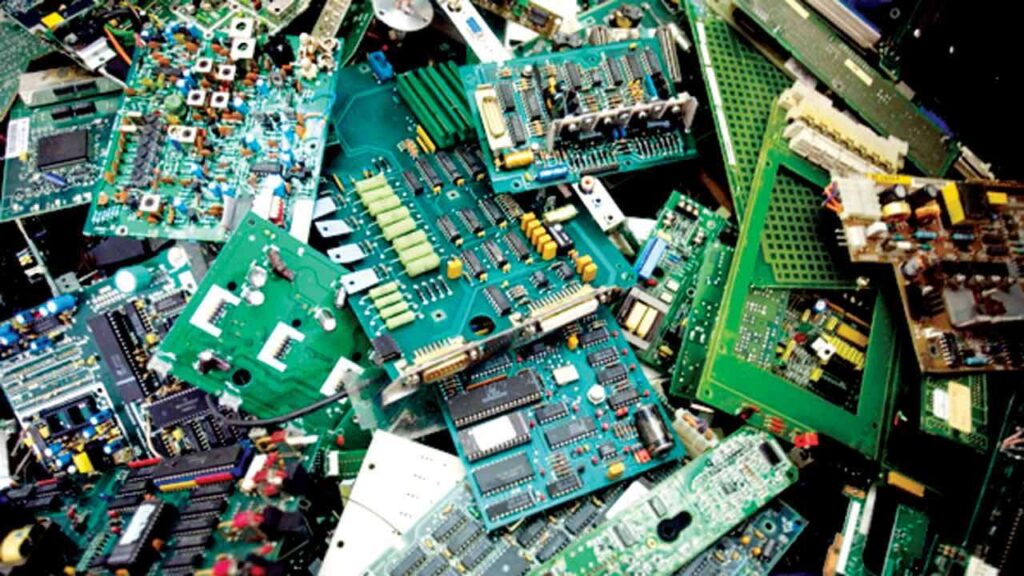
E-waste and Electronic Pollutants Affecting the Environment
Electronic waste, laden with hazardous components like lead and mercury, poses environmental risks. Improper disposal results in the release of pollutants, affecting air and soil quality, and ultimately contributing to climate change.
Landfills: A Significant Contributor
Methane Emissions from Decomposing Organic Waste
The decomposition of organic waste in landfills produces methane—a greenhouse gas more potent than carbon dioxide. Implementing practices like methane capture can mitigate emissions and reduce the landfill’s climate impact.
Landfill Management Strategies for Reducing Climate Impact
Strategies such as waste diversion, recycling, and controlled landfill gas extraction contribute to responsible landfill management. These practices help minimize the environmental consequences of traditional waste disposal methods.
Waste Incineration and Air Pollution
The Role of Incineration in Climate Change
While waste-to-energy incineration can generate electricity, it also releases pollutants into the air. Balancing the benefits of energy production with the need for clean air is essential in addressing waste incineration’s impact on climate change.
Strategies for Cleaner Waste-to-Energy Processes
Innovations in waste incineration technologies aim to minimize air pollution. Implementing cleaner processes and adhering to stringent emission standards are critical steps toward making waste-to-energy a more environmentally friendly option.
The Circular Economy as a Solution
Reducing Waste Through Recycling and Reusing
The concept of a circular economy emphasizes reducing waste by promoting recycling and reusing materials. Shifting away from a linear consumption model can significantly decrease the environmental impact of waste on climate change.
Sustainable Waste Management Practices
Can waste cause climate change? Implementing sustainable waste management practices, such as extended producer responsibility and community recycling programs, is vital. Encouraging individuals and businesses to adopt a more circular approach contributes to overall waste reduction.
Plastic Waste: A Major Culprit
The Persistence of Plastic in the Environment
Plastic waste, particularly single-use plastics, has a lasting impact on the environment. The slow decomposition of plastic releases harmful substances and contributes to climate change, making the reduction of plastic consumption imperative.
Impact on Oceans and Wildlife
The pervasive presence of plastic in oceans harms marine life and disrupts ecosystems. Understanding the link between plastic waste, climate change, and biodiversity loss underscores the need for urgent action.
Electronic Waste and Environmental Hazard
Hazardous Components in E-waste
Electronic waste contains toxic substances, including heavy metals and flame retardants. Safe disposal and recycling of e-waste are essential to prevent environmental contamination and mitigate the climate impact of electronic pollutants.
Responsible Disposal and Recycling of Electronic Devices
Implementing responsible e-waste disposal practices involves proper recycling methods to recover valuable materials while preventing environmental harm. Manufacturers and consumers play a crucial role in the sustainable management of electronic waste.
Consumer Habits and Climate Impact
The Role of Individual Choices in Waste Generation
Consumer habits significantly contribute to waste generation. Raising awareness about sustainable choices, such as reducing single-use items and supporting eco-friendly products, empowers individuals to minimize their environmental footprint.
Educating Consumers for Sustainable Practices
Education and outreach programs play a pivotal role in encouraging sustainable consumer behavior. Empowering individuals with knowledge about the environmental impact of their choices fosters a sense of responsibility in waste reduction.
Government Policies and Waste Management
The Importance of Stringent Waste Regulations
Can waste cause climate change? Government policies and regulations are instrumental in shaping waste management practices. Stringent guidelines on waste disposal, recycling targets, and penalties for non-compliance drive businesses and individuals toward sustainable practices.