
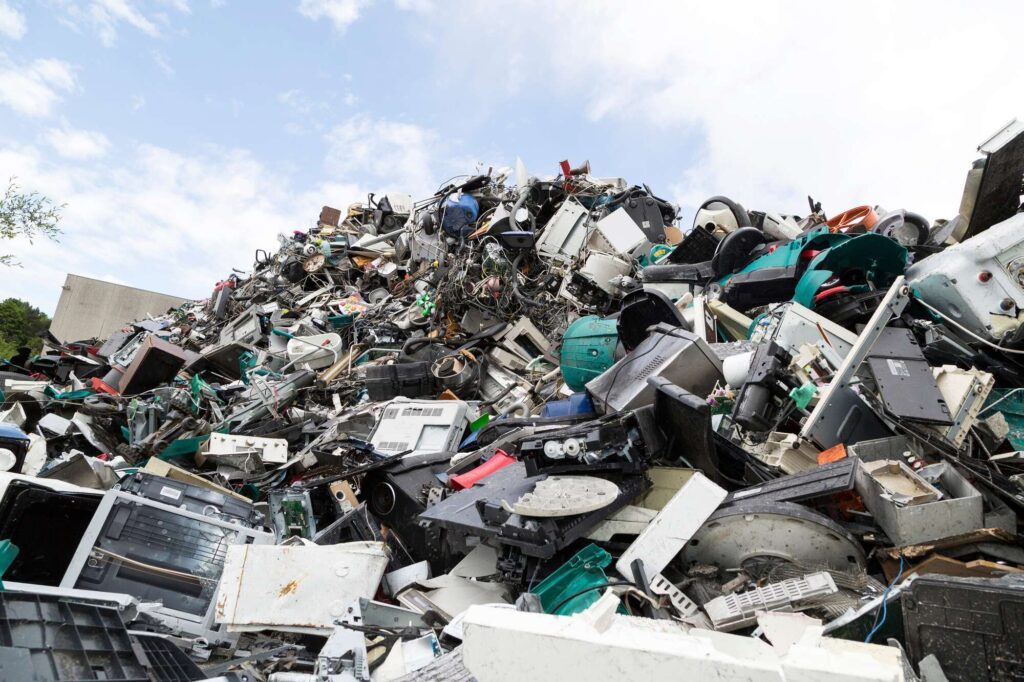
Defining E-Waste
In our digitally-driven world, the constant evolution of electronic devices leads to a substantial amount of discarded electronics, collectively known as ewaste. This article aims to uncover the components of e-waste, shedding light on the environmental implications and responsible management practices.
The Global Proliferation of Electronic Devices
The pervasive use of electronic gadgets has become a hallmark of modern society. From smartphones to laptops and other electronic appliances, the global proliferation of such devices contributes significantly to the mounting challenge of electronic waste.
Components of E-Waste
Hazardous Materials in Electronic Devices
Electronic devices often contain hazardous materials, including heavy metals like lead, mercury, and cadmium. These substances pose environmental and health risks when not properly managed, necessitating responsible disposal methods.
Common Elements Found in E-Waste
Apart from hazardous materials, e-waste comprises a variety of elements that can be recovered and reused. Valuable metals such as gold, silver, and copper, along with recyclable plastics and glass, make up a substantial portion of e-waste.
Electronic Devices and Their Lifespan
The Rapid Turnover of Electronic Gadgets
The relentless pace of technological advancement leads to a swift turnover of electronic gadgets. Consumers frequently upgrade to newer models, contributing to the accelerated generation of ewaste.
Factors Influencing the Lifespan of Electronic Devices
Several factors influence the lifespan of electronic devices, including technological obsolescence, changing consumer preferences, and the design choices made by manufacturers. Understanding these factors is crucial in addressing the e-waste challenge.
Environmental Impact of E-Waste
Pollution Caused by Improper Disposal
Improper disposal of ewaste, such as throwing devices into regular waste bins or landfills, results in pollution. The hazardous components can leach into the soil and water, posing a threat to ecosystems and human health.
The Need for Responsible E-Waste Management
Responsible ewaste management involves proper recycling and disposal methods to minimize environmental impact. Recycling facilities equipped to handle e-waste ensure the safe extraction of valuable materials while minimizing harm to the environment.
Health Risks Associated with E-Waste
Exposure to Hazardous Substances
Individuals involved in informal ewaste recycling, often in developing countries, face exposure to harmful substances during the dismantling and processing of electronic devices. This poses significant health risks to both workers and nearby communities.
Impacts on Human Health and the Environment
The improper handling of ewaste can result in the release of toxic chemicals into the air and water, impacting not only the immediate surroundings but also contributing to long-term environmental degradation and adverse health effects.
Electronic Recycling Processes
Techniques for Extracting Valuable Materials
Certified e-waste recycling facilities employ advanced techniques to extract valuable materials from discarded electronics. This includes the recovery of precious metals, plastics, and other recyclable components through processes like shredding.