
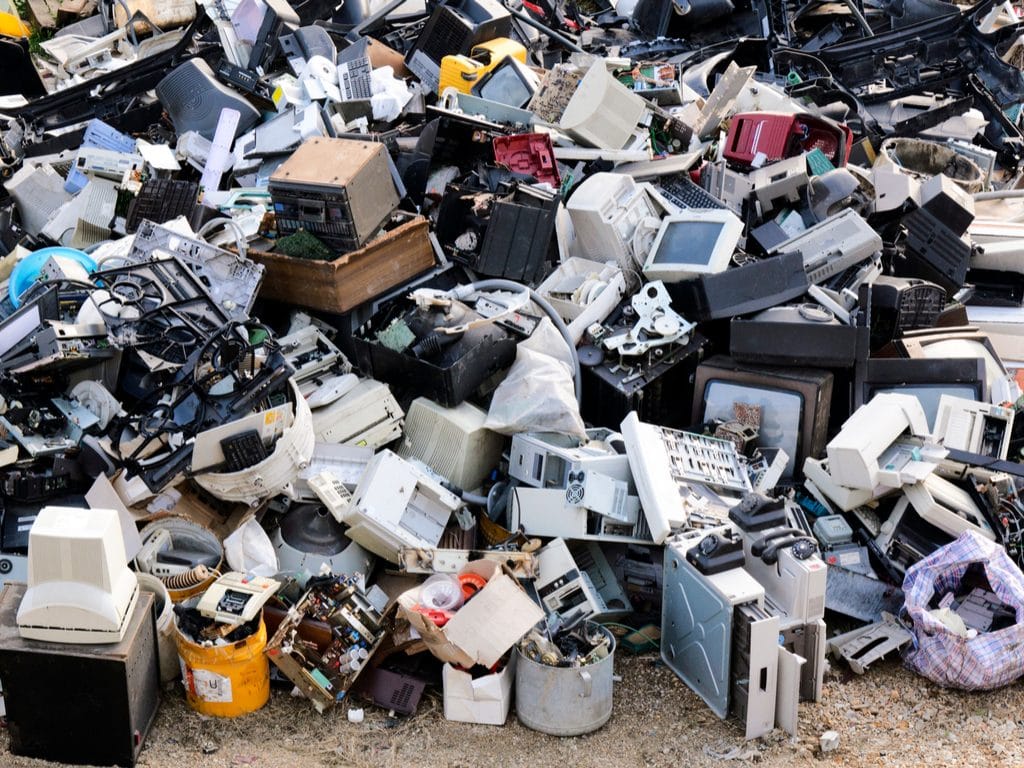
As our reliance on electronic devices continues to grow, the proper disposal of electronic waste, or e-waste, becomes increasingly crucial. This article explores the various methods of e-waste disposal, their environmental impacts, and the importance of responsible practices to mitigate the adverse effects on our planet.
Environmental Impact of Improper E-Waste Disposal
Electronic devices, laden with hazardous substances such as lead, mercury, and cadmium, pose significant risks when improperly disposed of. The toxic components can contaminate soil and water, leading to long-lasting consequences for ecosystems. Understanding the environmental impact underscores the urgency of adopting responsible e-waste disposal methods.
Common Methods of Disposal
- Landfill Disposal:
- Electronic devices end up in landfills, contributing to soil pollution.
- Incineration:
- Burning e-waste releases harmful pollutants into the air, affecting air quality.
- Exporting E-Waste:
- Exporting e-waste to developing countries can result in environmental and health hazards.
- Recycling:
- Responsible recycling is a sustainable alternative, recovering valuable materials and reducing environmental impact.
Challenges in Disposal Methods
The common methods of ewaste disposal present challenges that need urgent attention.
- Environmental Risks:
- Landfills and incineration pose risks to the environment due to hazardous substances.
- Global Consequences:
- Exporting e-waste contributes to a global problem, impacting regions far beyond the point of disposal.
- The Importance of Responsible Recycling:
- Advocating for responsible recycling is crucial to address the shortcomings of other disposal methods.
Reference: “E-Waste Disposal: Challenges and Solutions” (Journal of Environmental Management, 2021).
Government Regulations.
Governments worldwide play a pivotal role in regulating e-waste disposal practices.
- Global Regulations:
- Overview of international regulations aiming to standardize responsible ewaste disposal.
- Enforcement by Governments:
- Governments enforce these regulations to ensure compliance and minimize environmental impact.
Reference: “E-Waste Regulations and Compliance” (World Economic Forum, 2022).
Ewaste Disposal Processes in Recycling Centers
- Collection and Sorting:
- Recycling centers collect and categorize ewaste based on types of materials.
- Dismantling and Extraction:
- Devices undergo dismantling to extract valuable materials like metals and plastics.
- Environmentally Friendly Disposal:
- Remaining components are disposed of in an environmentally friendly manner.
Benefits of Responsible Ewaste Disposal
- Environmental Conservation:
- Proper disposal reduces the environmental impact, conserving ecosystems.
- Resource Recovery:
- Recycling allows for the recovery of valuable materials, reducing the need for new resource extraction.
- Reduction in Health Risks:
- Responsible disposal minimizes health risks associated with exposure to hazardous materials.
Reference: “The Triple Bottom Line of Responsible E-Waste Management” (Environmental Science & Technology, 2023).
Corporate Initiatives for Sustainable E-Waste Disposal
- Corporate Responsibility:
- Companies adopting responsible ewaste disposal practices contribute to environmental sustainability.
- Take-Back Programs:
- Implementing take-back programs showcases a commitment to managing the entire lifecycle of products.
Reference: “Corporate Strategies for Sustainable E-Waste Management” (Harvard Business Review, 2022).
Ewaste Disposal and Circular Economy
- Circular Economy Principles:
- Embracing circular economy principles involves minimizing waste and maximizing resource use.
- Closing the Loop:
- Responsible e-waste disposal is integral to closing the loop in the circular economy.
Reference: “Circular Economy and E-Waste Management” (Journal of Cleaner Production, 2021).
Disposal Technologies
- Innovations in Disposal:
- Advancements in technologies offer safer and more efficient methods of e-waste disposal.
- Safe and Efficient Practices:
- Incorporating state-of-the-art technologies ensures safe and efficient disposal processes.
Reference: “Technological Advancements in E-Waste Recycling” (Environmental Science & Technology, 2023).
Community Involvement.
- Public Awareness:
- Public awareness is essential for involving communities in responsible e-waste disposal.