
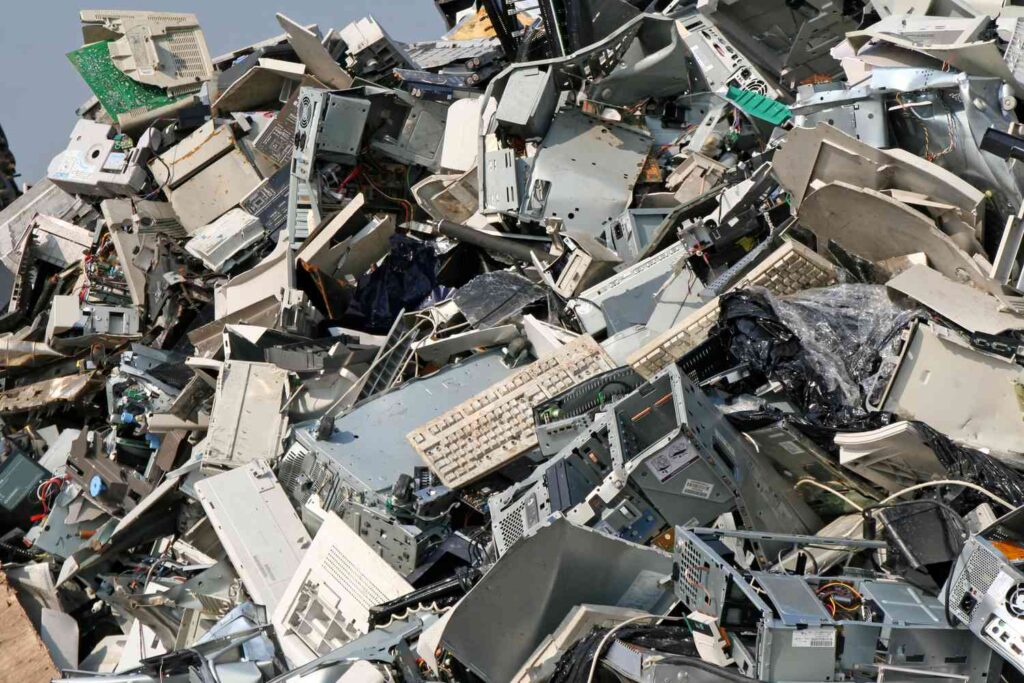
Electronic waste, or e-waste, has become a global concern due to the rapid pace of technological advancement. In India, where the consumption of electronic devices is substantial, effective e-waste recycling is crucial for environmental sustainability. In this article, we’ll explore the process of e-waste recycling in India, highlighting the methods, challenges, and the role of government initiatives.
Introduction to E-Waste Recycling in India
India, with its burgeoning population and increasing reliance on electronic devices, faces a significant challenge in managing e-waste. E-waste recycling is the systematic process of recovering valuable materials from discarded electronic devices, aiming to reduce environmental impact and promote sustainable practices.
The Current State of E-Waste in India
Before delving into the recycling process, it’s essential to understand the magnitude of the e-waste issue in India. With the rapid growth of the IT and telecommunications sectors, India generates a substantial amount of e-waste annually. Proper management of this waste is critical to prevent environmental pollution and health hazards.
Reference: “E-Waste Management in India: Current Scenario and Challenges” (Ministry of Environment, Forest and Climate Change, 2022).
Collection of E-Waste
One of the initial steps in the e-waste recycling process is the collection of electronic devices. Various stakeholders, including manufacturers, recyclers, and government agencies, play a role in organizing collection drives and establishing collection centers. This phase is crucial for ensuring that e-waste reaches authorized recycling facilities.
Transportation to Authorized Recycling Facilities
After collection, e-waste is transported to authorized recycling facilities. This step involves careful handling to prevent further damage to the electronic devices and to ensure the safe transit of hazardous materials. Government regulations often dictate the standards for transportation to minimize environmental impact.
Reference: “Guidelines for the Environmentally Sound Management of E-Waste” (Central Pollution Control Board, 2021).
Sorting and Segregation Process
Once at the recycling facility, e-waste undergoes a meticulous sorting and segregation process. Skilled technicians categorize the electronic devices based on their type and components. This step is crucial for efficient recycling, as different materials require specific treatment methods.
Dismantling of Electronic Devices
Following sorting, the dismantling phase begins. Skilled workers disassemble electronic devices into their constituent parts. This includes separating plastics, metals, circuit boards, and other components. Manual and automated processes are employed to ensure the efficient extraction of materials.
Reference: “E-Waste Management: Best Practices in Dismantling and Recycling” (International Journal of Environmental Research and Public Health, 2023).
Extraction of Valuable Materials
The dismantled components undergo further processing to extract valuable materials. Precious metals like gold, silver, and copper are recovered from circuit boards, while plastics and glass are sent for specialized recycling. This step is vital for resource conservation and reducing the need for new raw materials.
Treatment of Hazardous Materials
E-waste often contains hazardous materials, including lead, mercury, and cadmium. Specialized treatment processes are employed to neutralize or safely dispose of these substances. This ensures that harmful materials do not leach into the environment during or after the recycling process.
Reference: “Safe Handling and Disposal of Hazardous Materials in E-Waste” (Indian Journal of Environmental Protection, 2022).
Responsible E-Waste Disposal
The final phase of e-waste recycling involves responsible disposal of non-recyclable materials. Any residue that cannot be further processed is disposed of using environmentally friendly methods. This ensures that the overall impact of e-waste on the environment is minimized.
Government Initiatives and Regulations
The Indian government has recognized the importance of regulating e-waste management. Various initiatives, such as the E-Waste (Management) Rules, 2016, outline the responsibilities of producers, consumers, and recyclers. Adherence to these regulations is crucial for creating a sustainable e-waste recycling ecosystem.
Reference: “E-Waste (Management) Rules, 2016” (Ministry of Environment, Forest and Climate Change, 2016).
Challenges in E-Waste Recycling in India
While significant strides have been made in e-waste recycling, challenges persist. These include a lack of awareness among consumers, informal recycling practices leading to environmental pollution, and the need for more extensive infrastructure for efficient recycling.
The Role of Technology in Advancing E-Waste Recycling
Technological innovations play a crucial role in advancing e-waste recycling in India. From automated sorting systems to eco-friendly extraction processes, technology contributes to making the recycling process more efficient and environmentally friendly.
Conclusion
E-waste recycling in India is a complex but necessary process to address the environmental challenges posed by electronic waste. By understanding the recycling journey, from collection to responsible disposal, we can contribute to a more sustainable and environmentally conscious approach to managing electronic waste.
FAQs about E-Waste Recycling in India
- Q: Can I recycle my electronic devices at any recycling center?
- A: It’s recommended to use authorized collection centers and recycling facilities to ensure responsible e-waste management.
- Q: How can I contribute to e-waste recycling efforts in India?
- A: Participate in e-waste collection drives, educate others about responsible disposal, and choose electronic products from manufacturers committed to recycling initiatives.
- Q: Are there penalties for improper disposal of e-waste in India?
- A: Yes, the E-Waste (Management) Rules, 2016, include provisions for penalties against improper disposal and non-compliance.
- Q: What happens to the personal data on devices during the recycling process?
- A: Authorized recyclers take measures to ensure the secure erasure of personal data from electronic devices before recycling.
- Q: How can the Indian government improve e-waste recycling infrastructure?
- A: Continued investment in awareness campaigns, incentivizing recycling practices, and enhancing recycling infrastructure are essential for improvement.