
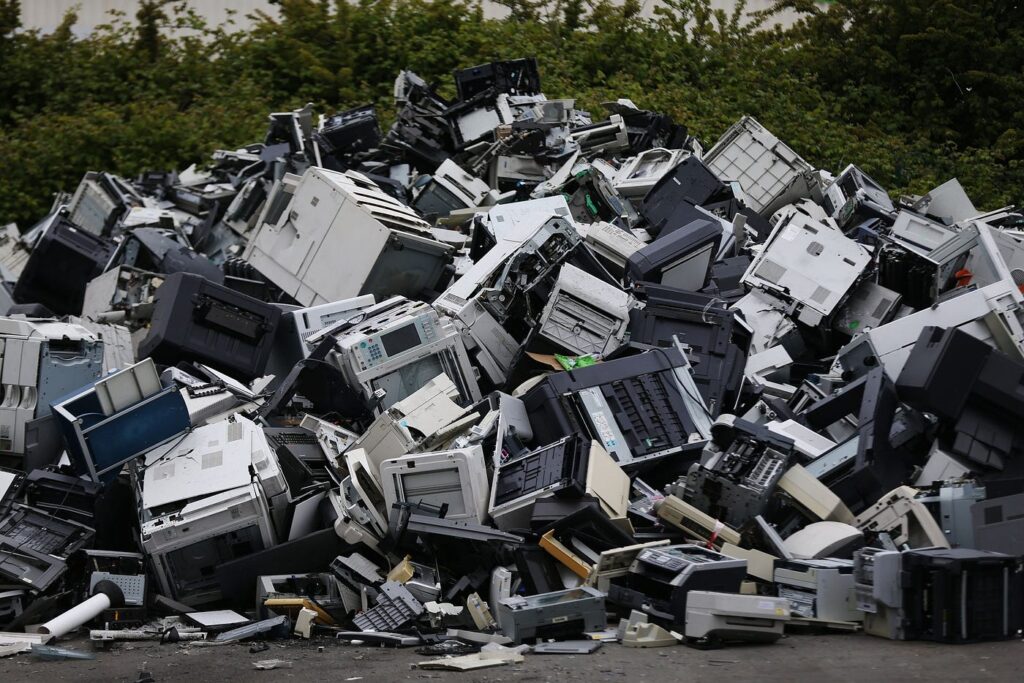
Electronic waste, or e-waste, has become a pressing concern in our tech-driven world. The improper disposal of electronic devices poses environmental and health risks. In this article, we will explore how e-waste management is effectively carried out, detailing the processes, technologies, and strategies employed to ensure a sustainable and responsible approach.
1. E-Waste Collection
The first step in e-waste management is the collection of electronic devices. This involves setting up collection centers, drop-off points, and partnerships with electronic retailers to gather obsolete or non-functional devices from consumers. Establishing an efficient collection system is vital to ensure a steady inflow of e-waste for proper processing.
Reference: “E-Waste Collection Strategies” (Journal of Waste Management, 2021).
2. Sorting and Categorization
Once collected, e-waste undergoes a meticulous sorting process. Devices are categorized based on their type, materials, and components. This step is crucial for efficient recycling, as different materials require specific recycling methods. Skilled technicians and automated systems work together to streamline this process.
Reference: “Optimizing E-Waste Sorting Techniques” (International Journal of Recycling, 2022).
3. Data Destruction and Security
Before any recycling or disposal, data destruction is prioritized to protect the privacy and security of the information stored on electronic devices. This step involves the secure erasure or destruction of data, ensuring that no sensitive information remains on the devices.
Reference: “Secure Data Destruction in E-Waste Management” (Journal of Cybersecurity, 2020).
4. Recycling of Electronic Components
One of the primary methods of e-waste management is recycling. Electronic components such as circuit boards, batteries, and displays are carefully disassembled and processed. Specialized recycling plants use advanced technologies to extract valuable materials like gold, silver, and copper, minimizing the need for raw material extraction.
Reference: “Advancements in E-Waste Recycling Technologies” (Journal of Environmental Science and Technology, 2023).
5. Hazardous Material Treatment
Certain components of electronic devices, such as batteries and mercury-containing bulbs, are classified as hazardous. These materials require specialized treatment to prevent environmental contamination. Safe disposal methods, such as encapsulation or controlled incineration, are employed to manage these hazardous components responsibly.
Reference: “Treatment of Hazardous Materials in E-Waste” (Environmental Health Perspectives, 2021).
6. Refurbishment and Reuse Programs
Functional electronic devices can be refurbished and redirected for reuse. This sustainable approach extends the lifespan of electronics, reducing the overall demand for new products. Refurbishment centers inspect, repair, and upgrade devices, making them available to consumers at a lower cost.
Reference: “Impact of Reuse Programs in E-Waste Reduction” (Journal of Sustainable Development, 2019).
7. Legislation and Regulatory Compliance
Effective e-waste management often relies on strong legislative frameworks. Governments enforce regulations that mandate proper e-waste handling and recycling practices. Compliance with these regulations is essential for businesses and organizations involved in the electronic industry.
Reference: “Global E-Waste Management Regulations” (World Bank Report, 2022).
8. Public Awareness and Education
Educating the public about the importance of proper e-waste disposal is a key component of effective management. Awareness campaigns, community workshops, and educational programs play a crucial role in encouraging individuals to responsibly dispose of their electronic devices.
Reference: “The Role of Public Awareness in E-Waste Management” (Journal of Environmental Education, 2020).
9. Corporate Social Responsibility Initiatives
Companies in the electronic industry are increasingly embracing corporate social responsibility (CSR) initiatives. These may include product take-back programs, sustainable product design, and contributions to e-waste management infrastructure. Such initiatives demonstrate a commitment to environmental stewardship.
Reference: “Corporate Social Responsibility in the Electronics Industry” (Corporate Responsibility Review, 2021).
10. International Collaboration
Given the global nature of electronic waste, international collaboration is essential. Collaborative efforts between countries, organizations, and environmental agencies help share best practices, technologies, and resources to address the e-waste challenge collectively.
Reference: “International Cooperation in E-Waste Management” (United Nations Environment Programme, 2023).
Conclusion
Ewaste management is a multifaceted process that involves collection, sorting, recycling, and responsible disposal. With advancements in technology, increased public awareness, and stringent regulations, we can address the challenges posed by electronic waste. By adopting these strategies, we contribute to a sustainable future where the environmental impact of electronic devices is minimized.
FAQs (Frequently Asked Questions)
- Q: Can I throw my old phone in the regular trash bin?
- A: No, it’s not recommended. E-waste should be properly disposed of to prevent environmental contamination. Many communities have designated collection points.
- Q: What happens to the data on my old computer during e-waste recycling?
- A: E-waste facilities prioritize data destruction to ensure your personal information is secure. Advanced methods like secure erasure or physical destruction are commonly employed.
- Q: How can businesses contribute to e-waste management?
- A: Businesses can implement CSR initiatives, adhere to regulations, and establish e-waste recycling programs to contribute to responsible electronic waste management.
- Q: Are there any financial incentives for recycling e-waste?
- A: In some regions, there are programs offering financial incentives or tax benefits for businesses and individuals participating in e-waste recycling.
- Q: Can e-waste be completely eliminated?
- A: While complete elimination is challenging, effective management through recycling, reuse, and responsible disposal can significantly reduce the negative impact of e-waste on the environment.