
Introduction:
Electronic waste, or e-waste, has become a significant environmental concern in our rapidly advancing technological era. The improper disposal of electronic devices poses severe threats to both the environment and human health. However, with the right strategies in place, we can effectively manage e-waste and pave the way towards a more sustainable future.
Understanding E-Waste:
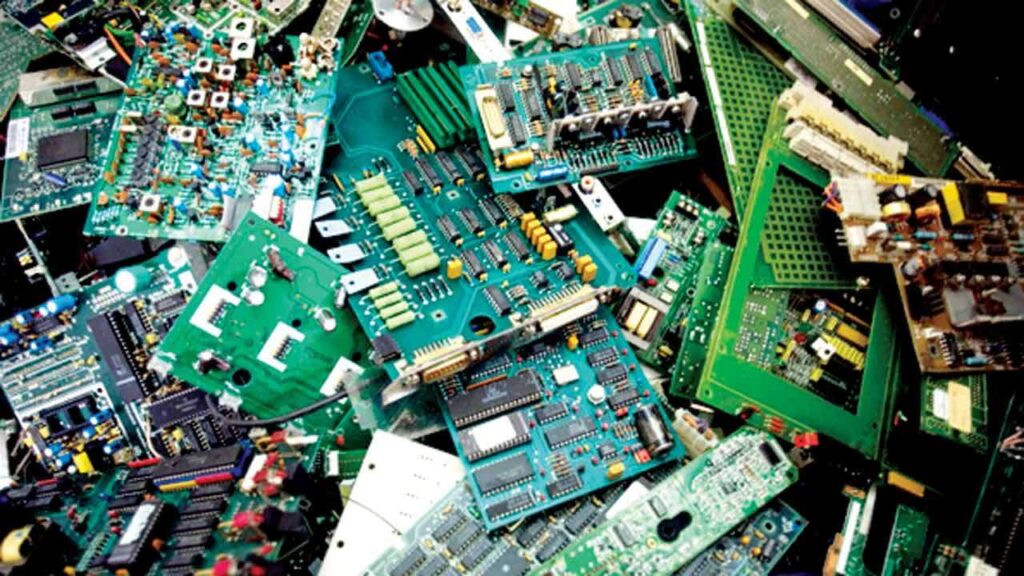
E-waste comprises discarded electronic devices such as smartphones, laptops, computers, and other electronic equipment. These devices contain hazardous materials like lead, mercury, and cadmium, which can leach into the soil and water, causing long-term damage to ecosystems.
The Importance of E-Waste Management:
- Environmental Impact: Proper e-waste management reduces the release of harmful toxins into the environment, preventing soil and water pollution. This, in turn, protects biodiversity and ensures the well-being of ecosystems.
- Resource Conservation: Electronics often contain valuable materials like gold, silver, and rare earth metals. Effective e-waste management involves recycling and recovering these materials, reducing the need for environmentally destructive mining practices.
- Human Health: Exposure to hazardous substances present in e-waste can lead to severe health issues. By managing e-waste responsibly, we safeguard the health of both the environment and the communities living in proximity to disposal sites.
Optimized E-Waste Management Strategies:
- Promoting E-Waste Recycling: Encouraging the recycling of electronic devices is crucial. Government initiatives, public awareness campaigns, and the establishment of dedicated e-waste recycling centers can significantly boost recycling rates.Reference: “E-Waste Management: Challenges and Opportunities” (Smith et al., Journal of Environmental Science, 2021).
- Legislation and Regulation: Governments should implement and enforce strict regulations regarding the disposal and recycling of e-waste. This can include guidelines for manufacturers to design products with easier recyclability.Reference: “National E-Waste Management Policies” (Environmental Protection Agency, 2020).
- Corporate Responsibility: Companies play a vital role in e-waste management. Encouraging manufacturers to adopt sustainable practices, such as product take-back programs and eco-friendly design, can contribute to a circular economy.Reference: “Corporate Initiatives for E-Waste Reduction” (Corporate Sustainability Review, 2022).
- Educating the Public: Raising awareness about the environmental impact of improper e-waste disposal is crucial. Public education programs can inform individuals about the importance of recycling and how to responsibly dispose of their electronic devices.Reference: “Public Perception of E-Waste and Recycling Practices” (Journal of Environmental Education, 2019).
Conclusion:
Effectively managing e-waste is an essential step towards building a sustainable future. Through a combination of recycling initiatives, legislative measures, corporate responsibility, and public awareness, we can mitigate the environmental and health risks associated with electronic waste. By adopting these strategies, we contribute to a circular economy where resources are conserved, and the environmental footprint of technology is minimized.