
Introduction
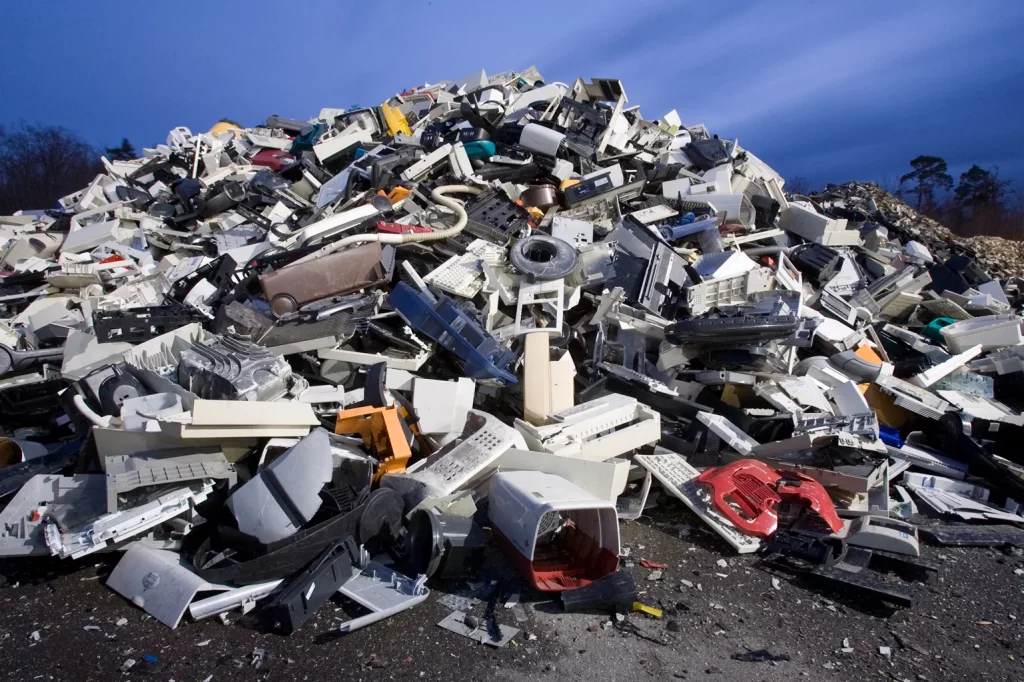
E-waste reduction has become a pressing need in our technology-driven society. As the consumption of electronic devices continues to rise, so does the environmental impact of electronic waste. In this article, we’ll explore effective strategies and initiatives to reduce e-waste, highlighting the importance of responsible consumer behavior, corporate responsibility, and technological innovations.
Understanding the Scope of E-Waste
The proliferation of electronic devices has led to a global surge in e-waste. The hazardous materials found in these devices pose significant threats to the environment. Addressing the scope of e-waste involves recognizing the consequences of unchecked electronic consumption and adopting measures to curb it.
Benefits of E-Waste Reduction
Reducing e-waste brings about a multitude of benefits. Beyond environmental conservation, it contributes to resource preservation. Recovering valuable materials from electronic devices minimizes the need for new resource extraction, leading to a more sustainable and circular approach to technology.
Consumer Awareness and Education
One of the primary keys to e-waste reduction is raising awareness among consumers. Education plays a crucial role in promoting responsible behavior, encouraging individuals to make informed choices about their electronic devices. Understanding the impact of disposal habits empowers consumers to be part of the solution.
Reference: “The Role of Consumer Awareness in E-Waste Reduction” (Journal of Environmental Management, 2021).
Designing for Durability and Repairability
Manufacturers play a pivotal role in reducing e-waste by designing devices with durability and repairability in mind. Products that are built to last and can be easily repaired extend their lifespan, reducing the frequency of device replacements and, consequently, e-waste generation.
Reference: “Design Strategies for Sustainable Electronics” (International Journal of Sustainable Engineering, 2022).
Encouraging Electronic Recycling
Promoting electronic recycling is a cornerstone in the effort to reduce e-waste. Establishing accessible and convenient recycling facilities encourages individuals to responsibly dispose of their old devices. Recycling not only minimizes the environmental impact of e-waste but also facilitates the recovery of valuable materials.
Reference: “E-Waste Recycling: Trends and Challenges” (Waste Management & Research, 2023).
Government Policies and E-Waste Reduction
Governments worldwide play a crucial role in driving ewaste reduction through legislation and policies. Implementing regulations that incentivize proper disposal practices and hold manufacturers accountable for sustainable product design is instrumental in curbing the e-waste crisis.
Reference: “National E-Waste Management Policies: A Global Overview” (United Nations Environment Programme, 2021).
Corporate Responsibility in E-Waste Reduction
Corporate entities can significantly contribute to ewaste reduction through sustainable manufacturing practices. Embracing eco-friendly design, implementing take-back programs, and minimizing packaging waste are examples of how companies can integrate environmental responsibility into their operations.
Reference: “Corporate Strategies for E-Waste Reduction” (Business & Society, 2022).
E-Waste Reduction Technologies
Technological innovations are driving solutions for ewaste reduction. From modular designs that allow easy upgrades to advanced recycling technologies, these innovations showcase the potential for minimizing the environmental impact of electronic devices.
Reference: “Technological Solutions for Sustainable Electronics” (Journal of Cleaner Production, 2023).
Circular Economy Approach
Adopting a circular economy approach is a fundamental shift towards sustainability. In a circular economy, products are designed for reuse and recycling, reducing the overall demand for raw materials and minimizing waste generation. This approach is crucial in breaking the linear pattern of ‘take, make, dispose’ associated with traditional manufacturing.
Reference: “Circular Economy: A Pathway to Sustainable Electronics” (Resources, Conservation and Recycling, 2022).
Promoting Second-Hand Markets
Encouraging second-hand markets for electronic devices promotes the reuse of products, extending their lifecycle. Reselling or donating used electronics reduces the demand for new devices and contributes to the reduction of e-waste. Consumers benefit financially, and the environment benefits from decreased resource consumption.
Reference: “The Role of Second-Hand Markets in Sustainable Consumption” (Journal of Consumer Behavior, 2021).
Community Engagement in E-Waste Reduction
Local initiatives and community engagement are powerful tools in the fight against e-waste. Establishing community-based collection points, organizing awareness campaigns, and fostering a sense of collective responsibility contribute to a sustainable and community-driven approach to e-waste reduction.
Reference: “Community-Led EWaste Reduction Programs” (Environmental Science & Policy, 2022).
Measuring E-Waste Reduction Success
Metrics are essential for evaluating the success of e-waste reduction efforts. Tracking the volume of recycled electronics, assessing the lifespan of devices, and monitoring changes in disposal habits provide valuable data to measure progress and identify areas for improvement.
Reference: “Metrics for Assessing E-Waste Reduction Programs” (Journal of Environmental Planning and Management, 2023).