
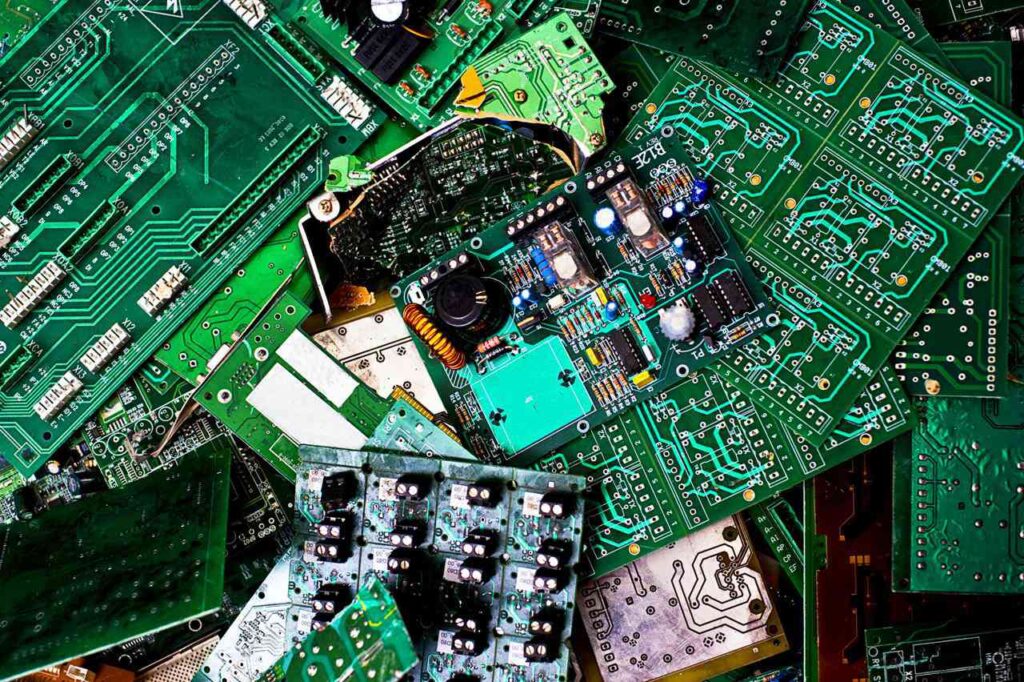
Technology marches on, leaving a trail of discarded devices in its wake. From smartphones to laptops, our reliance on electronics is at an all-time high, but what happens to these gadgets when they inevitably reach the end of their functional life? The answer, unfortunately, is often e-waste, and its impact on our health and environment is far from trivial.
Why is e-waste bad? Let’s break it down:
1. Toxic Cocktail: E-waste isn’t just discarded plastic and metal. It’s a cocktail of hazardous materials like mercury, lead, arsenic, and brominated flame retardants (BFRs). When improperly disposed of, these toxins leach into the soil and water, contaminating ecosystems and threatening public health. Exposure can lead to a range of problems, from neurological damage and respiratory issues to birth defects and cancer.
2. Landfilling Frenzy: E-waste is the fastest-growing waste stream globally, with millions of tons ending up in landfills each year. This not only takes up valuable space but also poses a long-term threat as toxins slowly seep into the environment. Furthermore, traditional landfill methods often involve incineration, releasing harmful pollutants into the air.
3. Resource Robbery: Electronic devices contain valuable resources like rare earth metals, precious metals, and copper. Throwing them away is like tossing away valuable resources that could be recycled and reused. Improper e-waste management depletes our natural resources and creates a burden on future generations.
4. Global Inequality: The negative effects of e-waste aren’t evenly distributed. Often, developed countries export their e-waste to developing nations, where lax regulations and informal recycling practices expose workers and communities to hazardous conditions and toxic pollution. This is an unethical and unsustainable practice that needs to be addressed.
So, what can we do? The responsibility lies with both individuals and corporations:
- Reduce: Resist the urge to upgrade constantly. Repair and maintain your devices if possible, and choose durable, long-lasting products.
- Reuse: Donate or sell old electronics instead of discarding them. Consider giving them a second life through upcycling projects.
- Recycle: Find responsible ewaste recycling facilities in your area and ensure your old electronics are disposed of safely and sustainably.
- Advocate: Support policies that promote responsible e-waste management and hold manufacturers accountable for the lifecycle of their products.
E-waste isn’t just a pile of discarded electronics; it’s a ticking time bomb. By understanding the dangers and taking action, we can prevent e-waste from becoming a toxic legacy for future generations. Let’s choose a sustainable future where technology doesn’t come at the cost of our health and planet.
Further Reading:
- World Health Organization: https://www.who.int/news/item/15-06-2021-soaring-e-waste-affects-the-health-of-millions-of-children-who-warns
- United Nations Environment Programme: https://www.unep.org/resources/report/e-waste-20-recycling-sustainability
- Basel Convention on the Control of Transboundary Movements of Hazardous Wastes and their Disposal: https://www.unep.org/resources/report/basel-convention-control-transboundary-movements-hazardous-wastes