Can waste toner be thrown away?

Definition of Waste Toner Before diving into the intricacies of waste toner disposal, let’s understand what waste toner is. Waste toner refers to the used or residual toner powder that accumulates in printer cartridges during the printing process. Can waste toner be thrown away? This seemingly innocuous byproduct can have significant environmental implications if not handled properly. Environmental Impact of Improper Disposal The improper disposal of waste toner poses a threat to the environment. Toner cartridges contain materials that, if not managed responsibly, can contribute to pollution and the accumulation of electronic waste. This article aims to unravel the complexities surrounding waste toner disposal and explore eco-friendly alternatives. What is Waste Toner? Explanation of Toner and Its Role in Printing Toner is a powder used in laser printers and photocopiers to form the text and images on paper. Unlike ink, toner is a dry powder made up of various polymers, pigments, and other compounds. It plays a crucial role in producing high-quality prints with sharp details. Difference Between Toner and Ink It’s essential to distinguish between toner and ink. While toner is a powder used in laser printing, ink is a liquid used in inkjet printers. Both have different compositions, and their disposal methods vary, influencing the environmental impact of printing technologies. Can Waste Toner Be Thrown Away? Challenges in Disposing of Waste Toner The straightforward answer is no, waste toner cannot be casually thrown away like regular household trash. Toner cartridges often contain residual toner that needs specialized handling to prevent environmental harm. Improper disposal may lead to contamination and potential health risks. Environmental Consequences When waste toner is disposed of improperly, it can end up in landfills, contaminating soil and water sources. The plastic components of toner cartridges take a considerable time to decompose, contributing to the growing issue of electronic waste. Understanding the consequences emphasizes the need for responsible disposal methods. Environmental Impact of Toner Cartridges Composition of Toner Cartridges Toner cartridges consist of various materials, including plastic, metal, and residual toner. The intricate design of these cartridges poses challenges for traditional recycling methods, making it crucial to explore alternative approaches. Issues with Traditional Disposal Methods Throwing away toner cartridges with regular household waste can lead to the landfilling of materials that could otherwise be recycled. The environmental impact extends beyond toner powder, encompassing the entire lifecycle of the cartridge. Proper Disposal Methods for Waste Toner Recycling Options Recycling is a key solution to the environmental challenges posed by waste toner. Many manufacturers and third-party services offer toner cartridge recycling programs. These programs aim to extract valuable materials from used cartridges, reducing the demand for new resources. Local Regulations and Guidelines Understanding and adhering to local regulations regarding electronic waste disposal is essential. Many regions have specific guidelines for the recycling of toner cartridges. Checking with local authorities ensures compliance with environmentally responsible practices. DIY Toner Recycling at Home Safe and Responsible Methods for Recycling at Home Individuals can actively contribute to toner recycling by exploring safe and responsible methods at home. This may include disassembling cartridges and separating components for recycling. However, caution is advised, and proper safety measures should be taken. Creative Repurposing Ideas Beyond traditional recycling, there are creative ways to repurpose toner cartridges. From turning them into plant pots to crafting unique art installations, the possibilities are diverse. This approach adds an element of sustainability to toner disposal. The Importance of Recycling Toner Conservation of Resources Recycling toner contributes to the conservation of valuable resources. Extracting materials from used cartridges reduces the need for raw materials, lessening the environmental impact of manufacturing new cartridges. Reduction of Electronic Waste Electronic waste is a growing concern globally. By actively participating in toner recycling programs, individuals and businesses can contribute to the reduction of electronic waste, promoting a more sustainable future. Eco-Friendly Alternatives to Traditional Printing Digital Solutions In the digital age, exploring paperless alternatives to traditional printing is a viable option. Digital document sharing, e-signatures, and online collaboration tools reduce the reliance on printed materials, lessening the overall environmental footprint. Paperless Office Practices Implementing paperless office practices, such as electronic documentation and cloud-based storage, not only reduces the need for printing but also enhances efficiency and accessibility. Adopting such practices aligns with sustainable business models. Common Misconceptions About Toner Disposal Addressing Myths and Clarifying Facts Misconceptions surrounding toner disposal can hinder responsible practices. Addressing myths, such as the belief that toner can be treated like regular trash, is crucial for fostering accurate understanding and encouraging environmentally friendly behaviors. Importance of Spreading Awareness Raising awareness about proper toner disposal is essential. Spreading information about the environmental impact of toner cartridges and the available recycling options empowers individuals and businesses to make informed choices. Corporate Responsibility in Toner Disposal Sustainable Practices by Businesses Businesses play a pivotal role in toner disposal. Adopting sustainable practices, including participating in recycling programs and responsibly managing electronic waste, demonstrates corporate responsibility and contributes to a greener ecosystem. Corporate Recycling Programs Many corporations have established recycling programs for toner cartridges. These initiatives often include incentives for employees to return used cartridges, promoting a culture of environmental responsibility within the organization.
Can waste paper be recycled?

In today’s world, where environmental concerns take center stage, the question of whether waste paper can be recycled holds significant importance. Waste paper, often dismissed as trash, can undergo a transformative journey through recycling, contributing to the conservation of natural resources and the reduction of our ecological footprint. Introduction Definition of Waste Paper Waste paper encompasses various types of discarded paper products, including newspapers, office paper, cardboard, and packaging materials. These materials, if not properly managed, can contribute to environmental degradation. Importance of Recycling Recycling, particularly of waste paper, plays a crucial role in sustainable waste management. It not only reduces the strain on landfills but also conserves valuable resources like trees and energy. Process of Recycling Paper Collection of Waste Paper The first step in paper recycling involves the collection of waste paper from different sources such as households, offices, and industries. This process emphasizes the need for effective waste management systems. Sorting and Removal of Contaminants Once collected, the waste paper undergoes meticulous sorting to separate different types and qualities. Contaminants like staples and tape are removed during this stage to ensure the purity of the recycled material. Pulping: Breaking Down Paper into Fibers Pulping is a crucial step where the sorted paper is mixed with water and chemicals to break it down into fibers. This pulp forms the foundation for creating new paper products. Cleaning and Refining the Pulp The pulp is thoroughly cleaned to eliminate any remaining impurities, inks, or other substances. Refining the pulp further enhances its quality and strength. Papermaking: Creating New Paper Products The refined pulp is then used in the manufacturing process to create new paper products through forming, pressing, and drying. This sustainable cycle reduces the demand for fresh raw materials. Environmental Benefits of Paper Recycling Conservation of Trees One of the primary advantages of recycling paper is the conservation of trees. By using recycled paper, we decrease the need to cut down forests, preserving vital ecosystems. Reduction in Energy Consumption Compared to manufacturing paper from raw materials, recycling paper consumes significantly less energy. This reduction in energy consumption contributes to overall environmental sustainability. Minimization of Environmental Impact Recycling paper helps minimize the environmental impact associated with paper production. From reducing water usage to lowering greenhouse gas emissions, paper recycling aligns with global efforts to combat climate change. Types of Paper That Can Be Recycled Office Paper Office paper, often discarded in large quantities, is easily recyclable. Implementing recycling programs in workplaces can significantly contribute to paper waste reduction. Newspapers and Magazines The recycling of newspapers and magazines is a well-established practice. Proper disposal and collection methods are essential for maximizing the recycling potential of these materials. Cardboard Cardboard, commonly used in packaging, is a valuable material for recycling. Efficient recycling of cardboard helps reduce the environmental impact of packaging waste. Packaging Materials Various packaging materials, including paper-based packaging, can be recycled. Sustainable packaging solutions are gaining popularity in the business world. Challenges in Paper Recycling Contamination Issues Contamination, caused by materials like plastic or metal mixed with paper, poses a challenge to the recycling process. Public education is crucial to minimize contamination. Technological Limitations Despite advancements, certain types of paper, especially those with complex coatings or laminations, pose challenges to recycling technologies. Ongoing research is essential for overcoming these limitations. Public Awareness Limited public awareness about the importance of proper waste separation and recycling hinders the effectiveness of paper recycling programs. Educational initiatives are vital for behavioral change. Global Initiatives in Paper Recycling Government Policies Governments worldwide are implementing policies to promote paper recycling. Incentives, regulations, and awareness campaigns contribute to increased participation. Corporate Sustainability Programs Many corporations are incorporating sustainability into their business models, with paper recycling being a key aspect. Corporate responsibility initiatives are driving positive change. Community Involvement Local communities play a crucial role in paper recycling efforts. Community-based programs and awareness campaigns foster a sense of responsibility among residents. Economic Aspects of Paper Recycling Job Creation Paper recycling initiatives contribute to job creation in various sectors, from waste collection to recycling plant operations. This economic aspect highlights the positive ripple effects of recycling. Cost-Effectiveness While setting up recycling infrastructure incurs initial costs, the long-term benefits, including reduced waste management expenses and environmental impact, make paper recycling a cost-effective solution. DIY Paper Recycling at Home Simple Steps to Recycle Paper at Home Individuals can actively participate in paper recycling at home by following simple steps, such as separating paper waste and using it for DIY projects. Creative Ways to Reuse Recycled Paper Beyond traditional recycling, finding creative ways to reuse recycled paper adds an extra layer of sustainability. From arts and crafts to homemade stationery, the possibilities are endless. Innovations in Paper Recycling Advanced Technologies Continuous advancements in recycling technologies, including innovative pulping and refining methods, contribute to the efficiency and sustainability of paper recycling. Sustainable Packaging Solutions Innovative packaging solutions focus on sustainability, promoting the use of recycled paper in packaging materials. This shift addresses environmental concerns associated with single-use packaging. Myths and Facts About Paper Recycling Common Misconceptions Addressing common misconceptions about paper recycling, including beliefs that it is ineffective or energy-intensive, is crucial for fostering accurate.
Waste-to-energy. Can waste be turned into energy?

Imagine a world where our overflowing landfills become powerhouses, our discarded scraps fuel our homes, and waste becomes a valuable resource rather than a growing problem. Sounds like science fiction, right? Well, it’s not. The answer to the question, “Can waste be turned into energy?” is a resounding yes! From landfill to power plant: Instead of burying our garbage, we can harness its hidden potential through various innovative technologies. Let’s explore some of the ways waste is transformed into energy: Waste to-energy plants: These modern facilities burn non-recyclable waste to generate electricity. The heat released during combustion boils water, creating steam that drives turbines and produces power. While concerns exist about emissions, advancements in pollution control technologies are mitigating these concerns. Anaerobic digestion: This process mimics natural decomposition in a controlled environment. Organic waste like food scraps and yard waste are broken down by microorganisms in the absence of oxygen, producing biogas. This clean-burning gas can be used for heating, cooking, or even fueling vehicles. Gasification: In this high-tech process, waste is heated in a limited oxygen environment, converting it into a synthetic gas similar to natural gas. This versatile gas can then be used for electricity generation, industrial processes, or even transportation fuels. Landfill gas recovery: Methane, a potent greenhouse gas, is a natural byproduct of decomposing waste in landfills. By capturing and utilizing this gas through specialized systems, we can generate electricity or heat, reducing greenhouse gas emissions and making landfills a source of energy instead of environmental pollutants. Beyond just burning: Waste-to energy isn’t just about incineration. Technologies like pyrolysis break down waste through high heat without combustion, producing valuable liquid fuels and char that can be used for energy. Additionally, composting transforms organic waste into nutrient-rich fertilizer, reducing landfill waste and closing the loop in the agricultural cycle. Benefits of turning waste into energy: The advantages of embracing waste-to-energy solutions are numerous: Reduced dependence on fossil fuels: We can rely less on finite resources like coal and oil, mitigating climate change and boosting energy security. Reduced landfill waste: Diverting waste from landfills frees up valuable space and reduces their harmful environmental impact. Renewable energy source: Biogas and synthetic fuels obtained from waste are considered renewable energy sources, contributing to cleaner energy production. Economic opportunities: Waste-to energy facilities create jobs, boost local economies, and stimulate innovation in the renewable energy sector. Challenges and considerations: While promising, it’s important to acknowledge the challenges: Initial investment: Building and operating waste-to-energy facilities requires significant upfront costs. Emissions and pollution control: Proper management and stringent regulations are crucial to minimize emissions and environmental impact. Public perception: Concerns about air pollution and potential health risks from waste-to-energy plants need to be addressed through transparent communication and community engagement. The future of waste-to-energy: Despite the challenges, the potential of waste-to-energy is undeniable. With continued research, technological advancements, and responsible implementation, turning waste into a valuable resource can be a critical step towards a more sustainable future. Call to action: Support policies that promote waste reduction, recycling, and responsible waste-to-energy solutions. Encourage innovation in this field and demand transparency from waste management companies. Remember, waste is not just a problem; it’s an untapped source of power waiting to be unleashed. References: US Environmental Protection Agency: https://www.epa.gov/energy) Energy Saving Trust: https://energysavingtrust.org.uk/generating-energy-waste-how-it-works/ International Energy Agency: https://www.eia.gov/) Green Journal: https://www.quickwasters.co.uk/blog/waste-can-be-turned-into-energy/
Who accepts e-waste

Decluttering your home and protecting the environment go hand-in-hand with responsible e-waste disposal. But navigating the landscape of who accepts e-waste can feel like a labyrinth of confusing options. Fear not, eco-conscious friends! This blog post is your one-stop guide to who accepts e-waste, making responsible disposal a breeze. Let’s Break it Down: E-waste, short for electronic waste, refers to discarded electronic devices and their components. From old smartphones and busted laptops to defunct printers and tangled cords, e-waste is a rapidly growing problem. Improper disposal can leach harmful toxins into the environment, posing serious health risks and polluting our precious ecosystems. But the good news is, you have options! Here’s a breakdown of who accepts e-waste near you: 1. Retailers: Many electronics retailers, like Best Buy and Staples, have e-waste recycling programs. They often accept a wide range of items, including TVs, computers, and small appliances, for free or at a small fee. Tip: Check their websites or stores for specific details and accepted items. 2. Manufacturer Take-Back Programs: Major electronics manufacturers, like Apple and Samsung, often have take-back programs for their own products. This means you can drop off your old devices at their stores or authorized service centers for responsible recycling. 3. Municipal Recycling Programs: Many cities and towns have curbside e-waste recycling programs. Check with your local waste management department to see if this is available in your area and what types of items they accept. 4. E-Waste Recycling Drop-Off Centers: Dedicated e-waste recycling facilities are becoming increasingly common. These centers accept a wide variety of electronic items and ensure safe and responsible processing. Use online directories like Earth911 or Recycle Nation to find one near you. 5. Non-Profit Organizations: Some non-profit organizations, like Goodwill and the Salvation Army, accept certain types of e-waste for donation or recycling. This can be a great option if your device is still in good condition and can be used by someone else. Remember: Always research what type of e-waste is accepted by each facility before dropping it off. Do your part to prepare your e-waste: Remove batteries, data storage devices, and any other non-electronic components. Ask questions! Don’t hesitate to contact the facility if you’re unsure about anything. By choosing responsible e-waste disposal, you’re not just decluttering your home, you’re also contributing to a healthier planet and a more sustainable future. References: EPA: https://www.epa.gov/international-cooperation/cleaning-electronic-waste-e-waste Earth911: https://earth911.com/ Recycle Nation: https://recyclenation.com/
Who takes e-waste

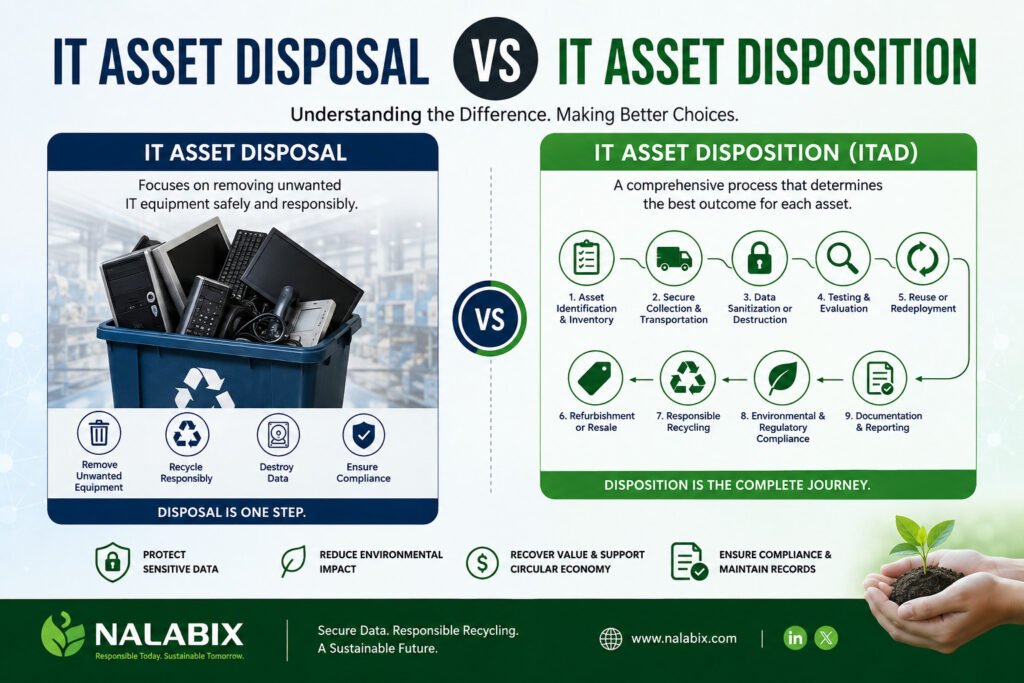
The ubiquitous glow of our smartphones, the whirring hum of our laptops, the sleek screens of our TVs – these technological marvels have become an essential part of our lives. But what happens when these devices reach the end of their lifespan? Our beloved gadgets, unfortunately, transform into mountains of “e-waste” – a growing global challenge with environmental and health consequences. So, who takes e-waste? The answer is not as simple as tossing it in the bin. Thankfully, there are numerous options for responsible disposal, each with its own advantages and limitations. 1. Official E-Waste Collection Programs: Government-backed initiatives: Many countries have established e-waste collection programs, often in partnership with electronics manufacturers. These programs provide designated drop-off points or even offer pick-up services. Check your local government website or environmental agency for details. Retailer take-back programs: Major electronics retailers like Best Buy, Staples, and Microsoft often accept used electronics for recycling. This is a convenient option, especially when buying new devices. 2. E-Waste Recycling Organizations: Non-profit organizations: Dedicated e-waste recycling organizations like e-Stewards and the Responsible Recycling Partnership offer safe and ethical disposal options. They ensure proper dismantling and recycling of materials, minimizing environmental impact. Private recycling companies: Many private companies specialize in e-waste recycling. Research their practices and certifications to ensure responsible disposal. 3. Alternative Options: Refurbishing and resale: If your electronics are still functional, consider refurbishing and reselling them. This gives them a new lease on life and reduces the need for new production. Online platforms like eBay and Facebook Marketplace offer excellent avenues for reselling. Donation: Working electronics can be donated to charities, schools, or community centers, providing valuable resources to those in need. Remember: Check the type of ewaste: Different types of electronics have different disposal requirements. Batteries, for example, require special handling. Data security: If your electronics contain sensitive data, take steps to erase it before disposal. Software wiping tools are readily available. Ask questions: Don’t hesitate to contact e-waste collection facilities or recycling organizations to inquire about their specific procedures and certifications. Taking responsibility for our e-waste is crucial for protecting the environment and ensuring the health of our communities. By understanding who takes ewaste and choosing responsible disposal options, we can contribute to a more sustainable future. References: Environmental Protection Agency (EPA): https://www.epa.gov/international-cooperation/cleaning-electronic-waste-e-waste e-Stewards: https://e-stewards.org/ Responsible Recycling Partnership: https://recyclingpartnership.org/implementingpolicy/ World Economic Forum: https://www.weforum.org/agenda/2023/10/recycle-e-waste-old-phone-chargers/
Why e-waste is bad for the environment

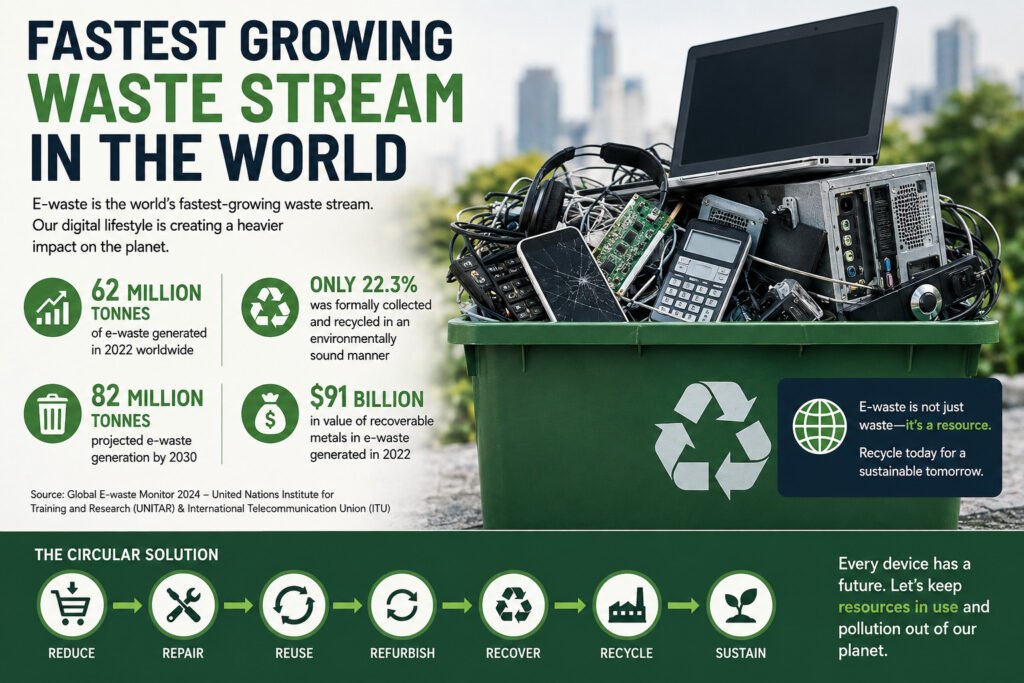
Our insatiable appetite for technology comes with a hefty price tag for the planet. Every discarded phone, laptop, and TV contributes to a growing mountain of e-waste – the fastest-growing waste stream globally. But beyond cluttering landfills, this electronic graveyard harbors a hidden threat: environmental contamination and potential harm to human health. So, why exactly is e-waste bad for the environment? Let’s dive into the toxic heart of this issue. 1. Poisonous Brew: E-waste is a cocktail of hazardous materials. Lead, mercury, cadmium, and arsenic – these are just a few of the nasty ingredients lurking in circuit boards, batteries, and display panels. When improperly disposed of, these toxins leach into the soil and groundwater, contaminating ecosystems and posing serious health risks to wildlife and humans alike. 2. Air Pollution Nightmare: Burning e-waste releases a plume of toxic fumes laden with dioxins, heavy metals, and flame retardants. These pollutants can travel long distances, contaminating the air we breathe and contributing to respiratory problems, birth defects, and even cancer. 3. Resource Depletion: Manufacturing electronics is a resource-intensive process, requiring the extraction of precious metals and rare earth elements. Improper e-waste disposal squanders these valuable resources, forcing us to dig deeper and further for virgin materials, exacerbating environmental damage from mining and refining activities. 4. Landfilling Woes: Landfills are the dumping ground for most e-waste, but these overflowing repositories are not designed for toxic materials. Over time, the toxins can seep into the surrounding soil and water, contaminating entire ecosystems. Additionally, landfills take up valuable land that could be used for sustainable development. 5. Illegal Export and Unfair Labor: Developed nations often export their e-waste to developing countries, where lax regulations and cheap labor lead to unsafe and unethical recycling practices. Workers in these informal recycling sectors are often exposed to hazardous materials without proper protection, putting their health and well-being at risk. The good news? We can turn the tide on e-waste! By adopting responsible practices like: Repair and reuse electronics whenever possible. Recycle e-waste through certified channels. Demand sustainable products from manufacturers. Support legislation promoting responsible e-waste management. Together, we can prevent our electronic addiction from becoming a toxic legacy for future generations. Let’s make a conscious choice to break the e-waste cycle and protect our planet, one discarded device at a time. References: The World Health Organization: https://elytus.com/blog/e-waste-and-its-negative-effects-on-the-environment.html The Geneva Environment Network: https://elytus.com/blog/e-waste-and-its-negative-effects-on-the-environment.html Earth.Org: https://earth.org/environmental-impact-of-e-waste/ Basel Convention on the Control of Transboundary Movements of Hazardous Wastes and their Disposal: https://www.basel.int/
Why e-waste management is important?

Our insatiable appetite for the latest tech toys might seem harmless, but it generates a hidden consequence: E-waste. This growing mountain of discarded electronics hides dangers for our planet and ourselves. Ignoring e-waste management isn’t an option. It’s time to understand why responsible electronic disposal is a critical step towards a healthier future. Toxic Threats Lurking Within Don’t be fooled by their sleek exteriors. Electronics harbor potent toxins like lead, mercury, and cadmium. Improper disposal lets these nasties leach into soil and waterways, poisoning ecosystems and threatening human health. Imagine heavy metals finding their way into your drinking water or the food chain – a chilling thought, right? Environmental Woes: A Landfill Legacy Landfills, those overflowing bins of yesterday’s trends, become toxic graveyards for e-waste. These mountains don’t just take up space – they pollute the surrounding environment for decades. Precious resources like copper and gold get buried, while non-biodegradable plastics add to the ever-growing plastic pollution crisis. Resource Recovery: Turning Trash into Treasure E-waste isn’t just waste; it’s a treasure trove of recoverable resources. Recycling electronic components can reclaim valuable metals, reducing our reliance on virgin materials and saving energy. Imagine giving smartphones a second life through recycled copper or reusing plastic casings for new products. Sustainable e-waste management is a win-win for the environment and resource conservation. Beyond Recycling: A Holistic Approach While recycling is crucial, it’s only one piece of the puzzle. We need a multi-pronged approach to e-waste management. This includes: Responsible manufacturing: Manufacturers must design electronics for easier disassembly and recycling. Extended producer responsibility: Hold producers accountable for the lifecycle of their products, encouraging sustainable design and end-of-life solutions. Consumer awareness: Educate the public about the dangers of improper e-waste disposal and empower them to choose responsible recycling options. Taking Action: From Awareness to Responsibility The responsibility for e-waste management doesn’t rest solely on corporations and governments. We, as individuals, can make a difference: Repair & Reuse: Before ditching your old phone, see if it can be repaired. Give used devices a second life through gifting or selling them. Choose Consciously: Opt for durable, repairable electronics whenever possible. Support brands committed to sustainable practices. Recycle Responsibly: Find certified e-waste recycling facilities in your area and use them diligently. Don’t let your old gadgets become environmental hazards. Why e-waste management is important? Because it’s about protecting our planet and ourselves. It’s about responsible consumption and resource conservation. It’s about creating a future where technology doesn’t come at the cost of environmental and human health. Let’s make conscious choices today for a healthier tomorrow. Remember: Every recycled phone, every repaired laptop, every responsible disposal choice is a step towards a sustainable future. Share this message, spread awareness, and let’s turn the tide on e-waste together.
Where does waste get shipped to

Ever toss a crumpled coffee cup or bag a banana peel, wondering where it disappears? The answer, my friend, lies deeper than landfills and curbside pick-up. It’s a global odyssey, a tangled tale of trade, recycling, and sometimes, shocking mismanagement. Prepare to embark on a fascinating, albeit slightly icky, voyage to uncover the truth behind “Where does waste get shipped to?“ The Shifting Sands of Waste Export: For decades, developed nations adopted a convenient solution: ship their waste problems far, far away. Countries like Malaysia, Vietnam, and Thailand became dumping grounds for mountains of plastic, paper, and electronics. This “global waste trade” seemed like a win-win: rich nations saved money, and developing nations found a source of income. But as investigative reports like “Where does your plastic go?“ revealed, the reality was often grim. Leaky infrastructure, lax regulations, and overwhelmed processing facilities led to environmental catastrophes, with mountains of waste overflowing and toxic fumes blanketing local communities. A Shifting Tide: Thankfully, the tide is turning. Public awareness, coupled with documentaries like “Where does waste get shipped to?”, has sparked a global outcry. Countries like China, once the world’s largest plastic importer, slammed the brakes, sending containers stuffed with waste back to their origin. The EU tightened regulations, and developing nations are now demanding accountability. Navigating the New Waste Landscape: So, where does waste go now? The answer is complex and evolving. Here are some key trends: Focus on Domestic Recycling: Countries are investing in local recycling infrastructure and technologies, aiming to close the waste loop. Circular Economy: The emphasis is shifting towards “cradle-to-cradle” design, where products are built for disassembly and reuse. Waste as a Resource: Innovative projects are transforming waste into new materials and energy sources, giving discarded items a second life. Your Role in the Journey: The fate of our waste starts at home. Here’s how you can be a responsible traveler on this journey: Reduce and Reuse: Minimize waste generation by saying no to single-use items and finding creative ways to reuse old things. Recycle Right: Learn about your local recycling guidelines and diligently sort your waste. Support Responsible Businesses: Choose brands committed to sustainability and waste reduction. Stay Informed: Follow news and documentaries like “Where does your plastic go?” to stay updated on the latest developments in waste management. From murky waters to a brighter horizon, the journey of waste is changing. By understanding the complexities and taking individual action, we can navigate towards a future where waste is not a burden, but a valuable resource. Remember, the answer to “Where does waste get shipped to?” lies not just in distant lands, but also in our own choices and collective responsibility.
What is considered e-waste

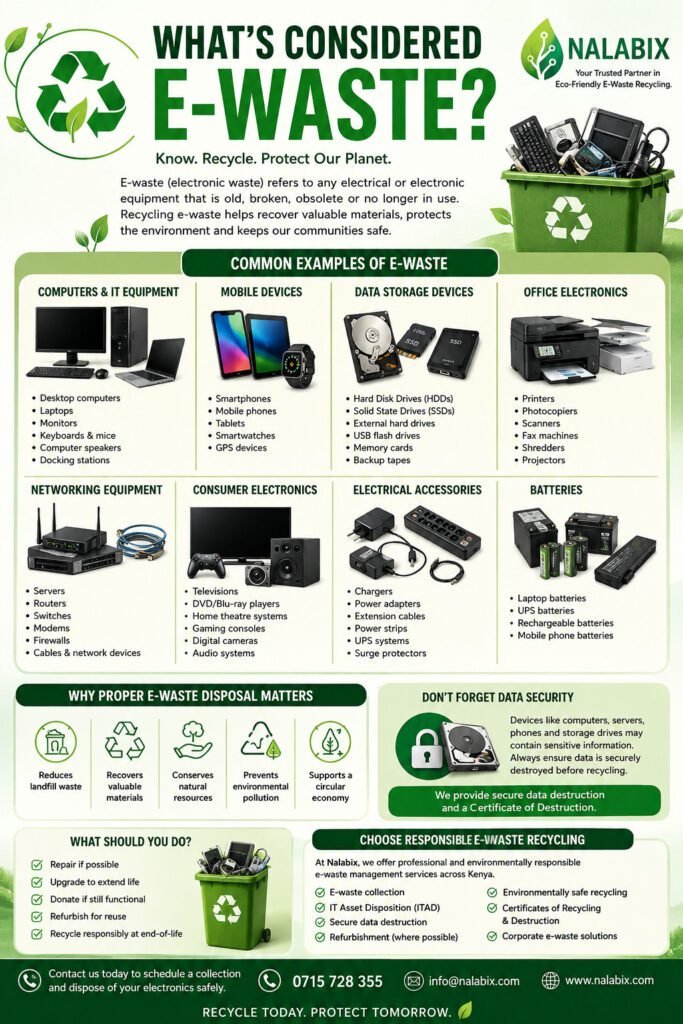
Is your tech graveyard overflowing with outdated gadgets and defunct devices? You’re not alone. The ever-evolving world of technology creates a mountain of electronic waste (e-waste) each year, and knowing what falls under this category is crucial for responsible disposal. Fear not, tech-savvy declutterers! This post is your one-stop guide to mastering the e-waste landscape, answering the burning question: “What is considered e-waste?“ and empowering you to dispose of it with an eco-conscious flourish. First things first: What qualifies as e-waste? According to the EPA, e-waste encompasses any discarded electrical or electronic device. Think beyond the obvious discarded computers and televisions. The e-waste net also snags: Small appliances: Blenders, toasters, coffee makers – bid farewell to broken buddies without harming the environment. Mobile phones and accessories: Chargers, earbud tangles, and that old flip phone deserve a responsible send-off. Entertainment tech: Cameras, speakers, even your grandpa’s record player all count as e-waste when their tunes fade away. Large appliances: Fridge on the fritz? Washing machine waltzing its way out? Give them a proper e-waste goodbye. Batteries: Those little powerhouses pack a big environmental punch. Dispose of them safely, not in the trash! But wait, there’s more! This list isn’t exhaustive. For a comprehensive breakdown, check out the EPA’s e-waste definition (reference link “What is considered e-waste”). Now that you’re a e-waste whiz, let’s tackle the next big question: How can I ditch my e-waste the right way? Fear not, eco-warriors! Numerous responsible disposal options await: Manufacturer take-back programs: Many tech giants offer convenient take-back programs for their specific products. Find yours and say sayonara to e-waste guilt-free. Retail e-waste collection: Major electronics retailers often have designated e-waste bins. Score points for sustainability and declutter your home in one trip! Community e-waste events: Keep an eye out for local e-waste collection events – a perfect opportunity to purge your tech graveyard and contribute to a cleaner planet. Certified e-waste recyclers: Don’t let the wires get tangled in confusion! Look for certified e-waste recyclers in your area for safe and responsible processing. Remember: Never toss e-waste in the trash! Improper disposal can contaminate soil and water, posing risks to both human health and the environment. Bonus tip: Before saying goodbye, explore opportunities to refurbish, reuse, or donate your electronics. Giving them a second life is like adding an extra verse to their techno-tunes! Conquering the e-waste monster is easier than you think! By understanding what is considered e-waste and choosing responsible disposal methods, you’re a champion for environmental protection and a role model for sustainable living. So, gather your tech ghosts, find your local disposal hero, and say goodbye to e-waste guilt! Go forth and declutter, Earth-lovers!
Where does e-waste end up?

Every year, millions of smartphones, laptops, and other electronic devices reach the end of their functional life. But where do these gadgets go? Do they magically disappear into thin air, leaving behind a clean conscience and sparkling landfills? Unfortunately, the reality is far less mystical. The answer to “where does e-waste end up?” is a complex and often disturbing one. A Global Journey with a Troubling Finale E-waste, the fastest-growing waste stream on the planet, takes a diverse and often unsettling journey. Some components are dismantled and recycled properly, finding new life in everything from car parts to building materials. This responsible approach, while crucial, only handles a fraction of the e-waste mountain. The darker side of the story involves illegal dumping and exportation to developing countries. Mountains of discarded electronics pile up in places like Ghana, India, and Nigeria, where informal recycling operations expose workers and residents to toxic chemicals and hazardous conditions. These operations, driven by cheap labor and lax regulations, extract valuable metals but leave behind environmental and health consequences for generations. Unveiling the Hidden Costs The impacts of improper e-waste disposal extend far beyond the immediate dumping sites. Leached pollutants contaminate soil and water sources, poisoning ecosystems and jeopardizing human health. Burning e-waste releases harmful toxins into the air, contributing to respiratory illnesses and global warming. And the mountains of electronic waste themselves take up valuable land, further diminishing space for a growing population. Taking Responsibility: From Awareness to Action The responsibility for tackling the e-waste crisis doesn’t rest solely on the shoulders of developing nations. As consumers, we play a crucial role in minimizing our electronic footprint and ensuring responsible disposal. Here are some steps we can take: Extend the life of our devices: Invest in protective cases, upgrade RAM instead of buying a whole new computer, and consider repairs before replacements. Choose sustainable brands: Support companies committed to ethical manufacturing and responsible e-waste management. Recycle responsibly: Find certified e-waste recycling facilities in your area and avoid backyard burning or illegal dumping. Advocate for change: Support policies that incentivize responsible e-waste disposal and hold manufacturers accountable for the lifecycle of their products. Unraveling the Mystery, Embracing the Solution By understanding where e-waste ends up and the devastating consequences of irresponsible disposal, we can collectively rise to the challenge. Through informed choices, proactive actions, and unwavering advocacy, we can rewrite the narrative of e-waste. Let’s ensure that the journey of our discarded gadgets doesn’t lead to environmental degradation and human suffering. Let’s make responsible e-waste management the only acceptable destination.