
Can waste toner be thrown away?
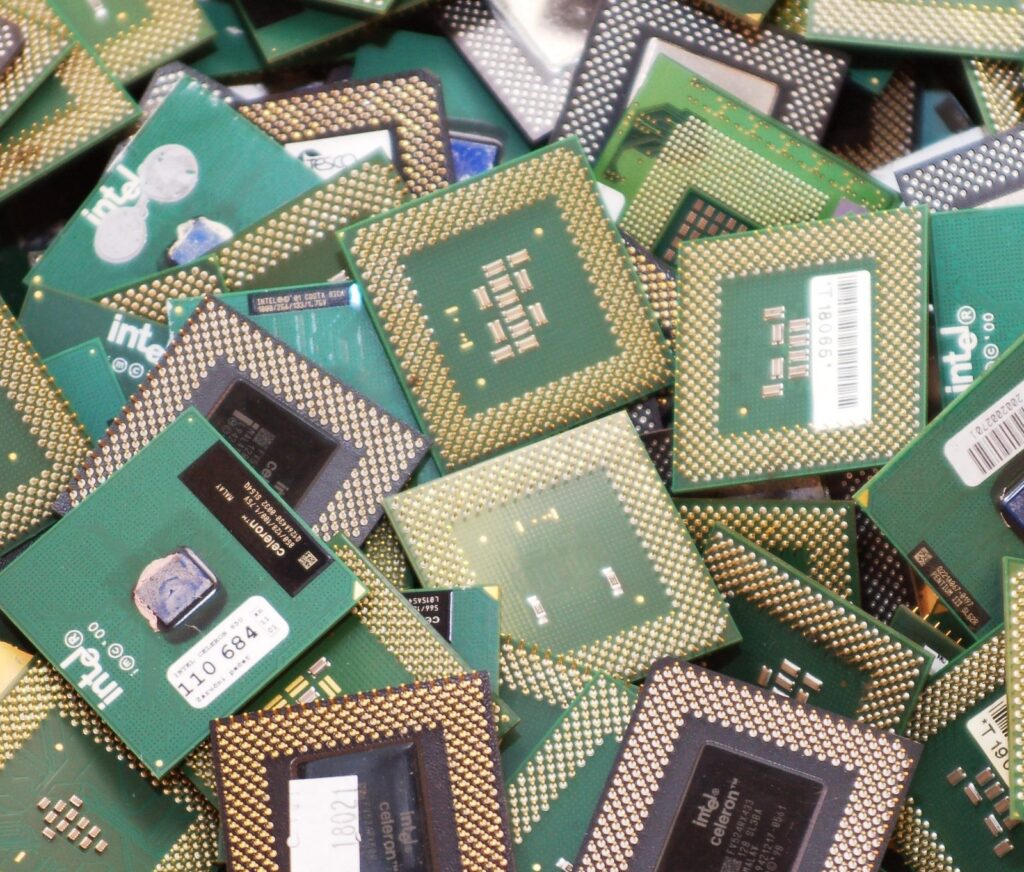
Definition of Waste Toner Before diving into the intricacies of waste toner disposal, let’s understand what waste toner is. Waste toner refers to the used or residual toner powder that accumulates in printer cartridges during the printing process. Can waste toner be thrown away? This seemingly innocuous byproduct can have significant environmental implications if not handled properly. Environmental Impact of Improper Disposal The improper disposal of waste toner poses a threat to the environment. Toner cartridges contain materials that, if not managed responsibly, can contribute to pollution and the accumulation of electronic waste. This article aims to unravel the complexities surrounding waste toner disposal and explore eco-friendly alternatives. What is Waste Toner? Explanation of Toner and Its Role in Printing Toner is a powder used in laser printers and photocopiers to form the text and images on paper. Unlike ink, toner is a dry powder made up of various polymers, pigments, and other compounds. It plays a crucial role in producing high-quality prints with sharp details. Difference Between Toner and Ink It’s essential to distinguish between toner and ink. While toner is a powder used in laser printing, ink is a liquid used in inkjet printers. Both have different compositions, and their disposal methods vary, influencing the environmental impact of printing technologies. Can Waste Toner Be Thrown Away? Challenges in Disposing of Waste Toner The straightforward answer is no, waste toner cannot be casually thrown away like regular household trash. Toner cartridges often contain residual toner that needs specialized handling to prevent environmental harm. Improper disposal may lead to contamination and potential health risks. Environmental Consequences When waste toner is disposed of improperly, it can end up in landfills, contaminating soil and water sources. The plastic components of toner cartridges take a considerable time to decompose, contributing to the growing issue of electronic waste. Understanding the consequences emphasizes the need for responsible disposal methods. Environmental Impact of Toner Cartridges Composition of Toner Cartridges Toner cartridges consist of various materials, including plastic, metal, and residual toner. The intricate design of these cartridges poses challenges for traditional recycling methods, making it crucial to explore alternative approaches. Issues with Traditional Disposal Methods Throwing away toner cartridges with regular household waste can lead to the landfilling of materials that could otherwise be recycled. The environmental impact extends beyond toner powder, encompassing the entire lifecycle of the cartridge. Proper Disposal Methods for Waste Toner Recycling Options Recycling is a key solution to the environmental challenges posed by waste toner. Many manufacturers and third-party services offer toner cartridge recycling programs. These programs aim to extract valuable materials from used cartridges, reducing the demand for new resources. Local Regulations and Guidelines Understanding and adhering to local regulations regarding electronic waste disposal is essential. Many regions have specific guidelines for the recycling of toner cartridges. Checking with local authorities ensures compliance with environmentally responsible practices. DIY Toner Recycling at Home Safe and Responsible Methods for Recycling at Home Individuals can actively contribute to toner recycling by exploring safe and responsible methods at home. This may include disassembling cartridges and separating components for recycling. However, caution is advised, and proper safety measures should be taken. Creative Repurposing Ideas Beyond traditional recycling, there are creative ways to repurpose toner cartridges. From turning them into plant pots to crafting unique art installations, the possibilities are diverse. This approach adds an element of sustainability to toner disposal. The Importance of Recycling Toner Conservation of Resources Recycling toner contributes to the conservation of valuable resources. Extracting materials from used cartridges reduces the need for raw materials, lessening the environmental impact of manufacturing new cartridges. Reduction of Electronic Waste Electronic waste is a growing concern globally. By actively participating in toner recycling programs, individuals and businesses can contribute to the reduction of electronic waste, promoting a more sustainable future. Eco-Friendly Alternatives to Traditional Printing Digital Solutions In the digital age, exploring paperless alternatives to traditional printing is a viable option. Digital document sharing, e-signatures, and online collaboration tools reduce the reliance on printed materials, lessening the overall environmental footprint. Paperless Office Practices Implementing paperless office practices, such as electronic documentation and cloud-based storage, not only reduces the need for printing but also enhances efficiency and accessibility. Adopting such practices aligns with sustainable business models. Common Misconceptions About Toner Disposal Addressing Myths and Clarifying Facts Misconceptions surrounding toner disposal can hinder responsible practices. Addressing myths, such as the belief that toner can be treated like regular trash, is crucial for fostering accurate understanding and encouraging environmentally friendly behaviors. Importance of Spreading Awareness Raising awareness about proper toner disposal is essential. Spreading information about the environmental impact of toner cartridges and the available recycling options empowers individuals and businesses to make informed choices. Corporate Responsibility in Toner Disposal Sustainable Practices by Businesses Businesses play a pivotal role in toner disposal. Adopting sustainable practices, including participating in recycling programs and responsibly managing electronic waste, demonstrates corporate responsibility and contributes to a greener ecosystem. Corporate Recycling Programs Many corporations have established recycling programs for toner cartridges. These initiatives often include incentives for employees to return used cartridges, promoting a culture of environmental responsibility within the organization.
Can waste paper be recycled?
In today’s world, where environmental concerns take center stage, the question of whether waste paper can be recycled holds significant importance. Waste paper, often dismissed as trash, can undergo a transformative journey through recycling, contributing to the conservation of natural resources and the reduction of our ecological footprint. Introduction Definition of Waste Paper Waste paper encompasses various types of discarded paper products, including newspapers, office paper, cardboard, and packaging materials. These materials, if not properly managed, can contribute to environmental degradation. Importance of Recycling Recycling, particularly of waste paper, plays a crucial role in sustainable waste management. It not only reduces the strain on landfills but also conserves valuable resources like trees and energy. Process of Recycling Paper Collection of Waste Paper The first step in paper recycling involves the collection of waste paper from different sources such as households, offices, and industries. This process emphasizes the need for effective waste management systems. Sorting and Removal of Contaminants Once collected, the waste paper undergoes meticulous sorting to separate different types and qualities. Contaminants like staples and tape are removed during this stage to ensure the purity of the recycled material. Pulping: Breaking Down Paper into Fibers Pulping is a crucial step where the sorted paper is mixed with water and chemicals to break it down into fibers. This pulp forms the foundation for creating new paper products. Cleaning and Refining the Pulp The pulp is thoroughly cleaned to eliminate any remaining impurities, inks, or other substances. Refining the pulp further enhances its quality and strength. Papermaking: Creating New Paper Products The refined pulp is then used in the manufacturing process to create new paper products through forming, pressing, and drying. This sustainable cycle reduces the demand for fresh raw materials. Environmental Benefits of Paper Recycling Conservation of Trees One of the primary advantages of recycling paper is the conservation of trees. By using recycled paper, we decrease the need to cut down forests, preserving vital ecosystems. Reduction in Energy Consumption Compared to manufacturing paper from raw materials, recycling paper consumes significantly less energy. This reduction in energy consumption contributes to overall environmental sustainability. Minimization of Environmental Impact Recycling paper helps minimize the environmental impact associated with paper production. From reducing water usage to lowering greenhouse gas emissions, paper recycling aligns with global efforts to combat climate change. Types of Paper That Can Be Recycled Office Paper Office paper, often discarded in large quantities, is easily recyclable. Implementing recycling programs in workplaces can significantly contribute to paper waste reduction. Newspapers and Magazines The recycling of newspapers and magazines is a well-established practice. Proper disposal and collection methods are essential for maximizing the recycling potential of these materials. Cardboard Cardboard, commonly used in packaging, is a valuable material for recycling. Efficient recycling of cardboard helps reduce the environmental impact of packaging waste. Packaging Materials Various packaging materials, including paper-based packaging, can be recycled. Sustainable packaging solutions are gaining popularity in the business world. Challenges in Paper Recycling Contamination Issues Contamination, caused by materials like plastic or metal mixed with paper, poses a challenge to the recycling process. Public education is crucial to minimize contamination. Technological Limitations Despite advancements, certain types of paper, especially those with complex coatings or laminations, pose challenges to recycling technologies. Ongoing research is essential for overcoming these limitations. Public Awareness Limited public awareness about the importance of proper waste separation and recycling hinders the effectiveness of paper recycling programs. Educational initiatives are vital for behavioral change. Global Initiatives in Paper Recycling Government Policies Governments worldwide are implementing policies to promote paper recycling. Incentives, regulations, and awareness campaigns contribute to increased participation. Corporate Sustainability Programs Many corporations are incorporating sustainability into their business models, with paper recycling being a key aspect. Corporate responsibility initiatives are driving positive change. Community Involvement Local communities play a crucial role in paper recycling efforts. Community-based programs and awareness campaigns foster a sense of responsibility among residents. Economic Aspects of Paper Recycling Job Creation Paper recycling initiatives contribute to job creation in various sectors, from waste collection to recycling plant operations. This economic aspect highlights the positive ripple effects of recycling. Cost-Effectiveness While setting up recycling infrastructure incurs initial costs, the long-term benefits, including reduced waste management expenses and environmental impact, make paper recycling a cost-effective solution. DIY Paper Recycling at Home Simple Steps to Recycle Paper at Home Individuals can actively participate in paper recycling at home by following simple steps, such as separating paper waste and using it for DIY projects. Creative Ways to Reuse Recycled Paper Beyond traditional recycling, finding creative ways to reuse recycled paper adds an extra layer of sustainability. From arts and crafts to homemade stationery, the possibilities are endless. Innovations in Paper Recycling Advanced Technologies Continuous advancements in recycling technologies, including innovative pulping and refining methods, contribute to the efficiency and sustainability of paper recycling. Sustainable Packaging Solutions Innovative packaging solutions focus on sustainability, promoting the use of recycled paper in packaging materials. This shift addresses environmental concerns associated with single-use packaging. Myths and Facts About Paper Recycling Common Misconceptions Addressing common misconceptions about paper recycling, including beliefs that it is ineffective or energy-intensive, is crucial for fostering accurate.