
E-waste and plastic waste
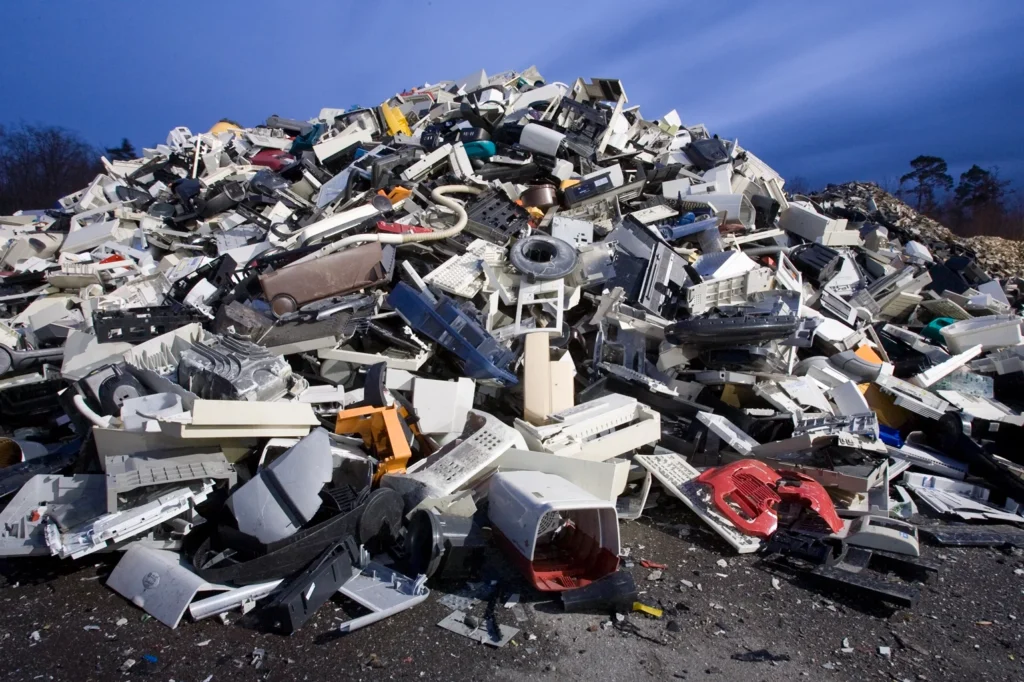
Introduction: In our digital age, the tandem challenges of electronic waste (e-waste) and E-waste and plastic waste demand sustainable solutions. Let’s delve into the environmental impact, explore effective management strategies, and chart a course toward a cleaner, healthier planet. Understanding E-Waste and Biomedical Waste: E-waste comprises discarded electronic devices, while plastic waste includes medical equipment and disposables. Both present unique challenges, including hazardous materials and the risk of environmental contamination. The Ecological Footprint: E-Waste’s Plastics: Electronic devices often contain plastics, contributing to the global plastic waste crisis. The improper disposal of these devices exacerbates environmental degradation. Biomedical Plastics: Medical equipment and packaging, laden with plastics, add to the burgeoning plastic waste stream. Safe disposal is critical to prevent harm to ecosystems. Impact on Human Health: Toxic Materials: E-waste and biomedical waste may contain harmful substances detrimental to human health, necessitating proper management and disposal practices. Community Well-being: The proximity of improperly managed waste to communities poses health risks, emphasizing the urgency of responsible waste management.Sustainable Solutions: Integrated Management Systems: Develop comprehensive waste management systems that address both E-waste and plastic waste , reducing their combined impact. Material Recovery: Prioritize the recovery of valuable materials from e-waste, including plastics, through recycling and upcycling initiatives. Community Education: Raise awareness about proper disposal methods, emphasizing the significance of recycling and the role individuals play in waste reduction. Conclusion: By forging a path towards sustainable e-waste and biomedical waste management, we can safeguard the environment, protect human health, and contribute to a more resilient and sustainable future. World Health Organization (WHO). (2022). “Biomedical Waste Management.” United Nations Environment Programme (UNEP). (2022). “Solving the E-waste Problem.”
Universal waste vs E-waste
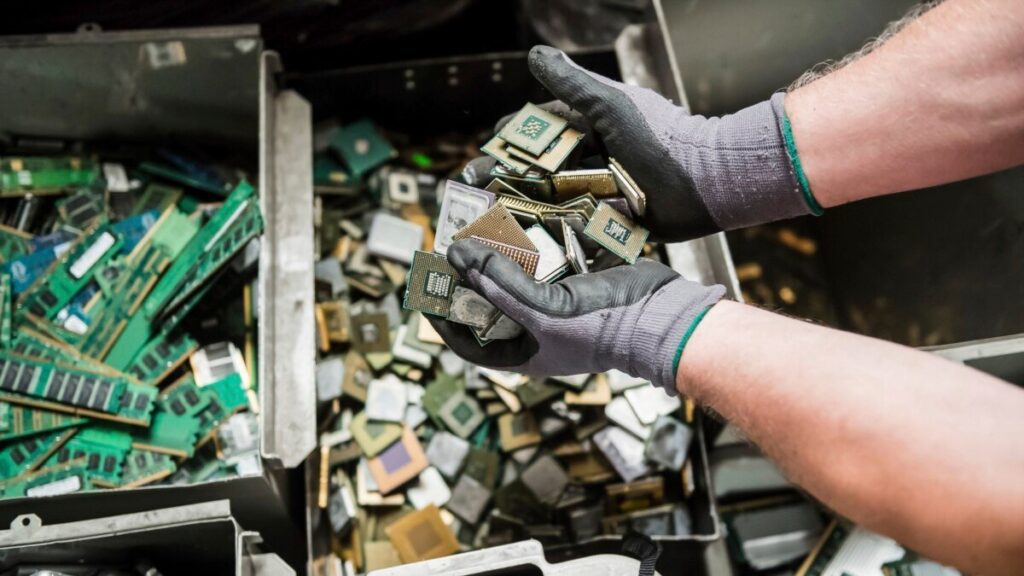
Introduction: In the ever-evolving landscape of waste management, distinguishing between electronic waste (e-waste) and universal waste is crucial. Understanding the differences ensures proper disposal and contributes to a sustainable future. Defining E-Waste: Electronic waste encompasses discarded electronic devices like smartphones, laptops, and appliances. These items often contain hazardous materials, demanding specialized handling to prevent environmental harm. Universal Waste Unveiled: Universal includes commonly generated hazardous waste items such as batteries, certain light bulbs, and pesticides. Unlike e-waste, universal waste regulations aim to streamline disposal processes for these widely produced hazardous materials. Key Differences: Composition: E-Waste: Primarily electronic devices with complex components. Universal Waste: Common household hazardous items like batteries and certain light bulbs. Regulatory Framework: E-Waste: Subject to specific e-waste disposal regulations to mitigate environmental impact. Universal Waste: Governed by waste regulations for simplified handling and recycling. Examples: E-Waste: Old computers, printers, and electronic gadgets. Universal Waste: Alkaline batteries, fluorescent light bulbs, and certain pesticides. Environmental Impact: Proper disposal of both e-waste and waste is critical. Recycling these materials prevents hazardous substances from seeping into the environment, protecting ecosystems and human health. Optimizing E-Waste Disposal: Local Recycling Centers: Find e-waste recycling centers that adhere to environmental standards. Manufacturer Take-Back Programs: Utilize programs offered by electronics manufacturers for responsible disposal. Community Collection Events: Participate in local events for safe e-waste disposal. Universal Waste Management Tips: Battery Recycling Bins: Dispose of batteries in designated recycling bins. Fluorescent Bulb Recycling: Use recycling facilities for proper disposal of fluorescent bulbs. Pesticide Collection Programs: Check for local programs to safely dispose of unused pesticides. Conclusion: Understanding the distinctions between e-waste and waste empowers us to make informed choices. Embrace responsible disposal practices to contribute to a cleaner, safer environment.
E-waste Comparisons
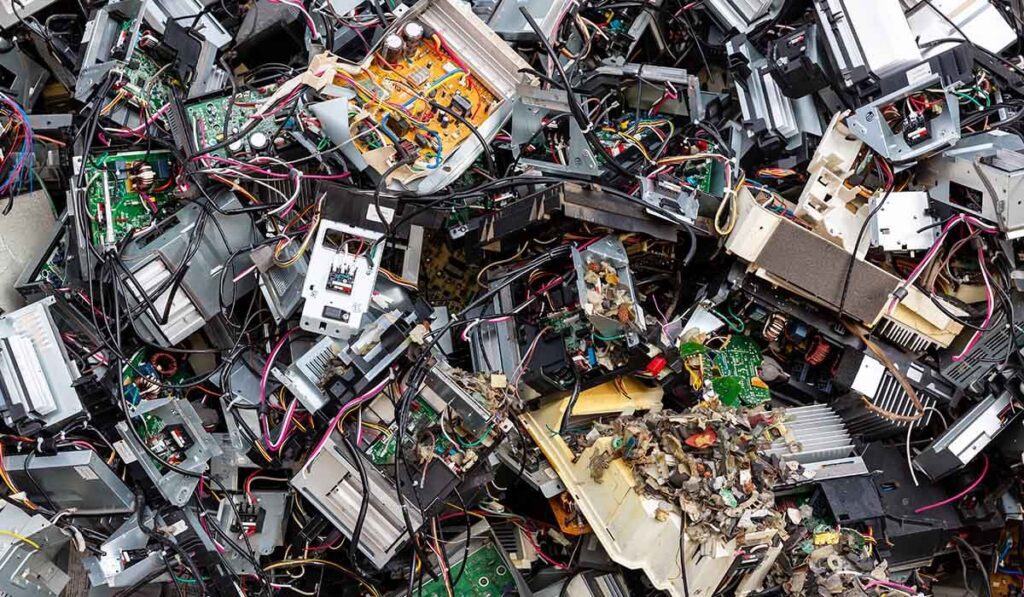
E-waste. It’s the bane of our tech-obsessed world, a mountain of discarded gadgets overflowing landfills and leaching toxins into the environment. But amidst the chaos, there’s a glimmer of hope: responsible e-waste management. And at the heart of it all lies comparison. That’s right, knowing how different e-waste disposal options stack up is crucial for making informed choices. So, buckle up, eco-warriors, because we’re diving deep into a 41-point comparison battle royale between various e-waste management methods. Round 1: The Contenders In one corner, we have the traditional titans: Landfills: The OG dumping ground, convenient but oh-so-polluting. Think toxic soup and methane monsters. Incineration: Burns e-waste to ashes, reducing volume but spewing nasty air pollutants. Not exactly a breath of fresh air. In the other corner, the sustainability champions: Formal recycling: Experts dismantle and process e-waste, recovering valuable materials and giving gadgets a second life. Think phoenix rising from the ashes (of circuit boards). Informal recycling: Resourceful individuals collect and reassemble e-waste, often in developing countries. Can be risky due to hazardous materials and unfair working conditions, but also offers valuable livelihoods. Round 2: The Bouts (41 Comparisons!) Environmental Impact: Landfills: Huge ecological footprint, contaminating soil and water with heavy metals and chemicals. Incineration: Air pollution galore, releasing harmful dioxins and greenhouse gases. Formal recycling: Minimizes environmental impact by recovering resources and preventing pollution. Informal recycling: Can be both damaging (improper handling of hazardous materials) and beneficial (reduced waste, job creation). Resource Recovery: Landfills: Buried treasure? More like buried potential. Valuable materials locked away forever. Incineration: Turns resources into smoke signals. Up in flames goes the potential for reuse. Formal recycling: Champion of resource recovery, extracting precious metals and minerals for future generations. Informal recycling: Can be surprisingly efficient at resource recovery, but often lacks proper infrastructure and regulations. Human Health: Landfills: Leaky landfills contaminate drinking water and expose communities to toxins. Health hazard, anyone? Incineration: Air pollution from incineration can trigger respiratory problems and exacerbate existing health conditions. Formal recycling: Properly managed recycling protects workers and communities from hazardous materials. Informal recycling: Can expose workers to health risks due to lack of protective equipment and awareness. Economic Benefits: Landfills: Creates minimal jobs, mostly in waste collection and landfill management. Not exactly an economic boom. Incineration: High operational costs and limited job creation. Not the economic engine we’re looking for. Formal recycling: Creates green jobs in recycling facilities, boosting the circular economy. Informal recycling: Can provide income for marginalized communities, but often operates in the informal sector with limited economic security. Accessibility and Convenience: Landfills: Easy peasy, just toss it in the bin and forget about it. (But not in a good way…) Incineration: Requires specialized facilities and infrastructure, not readily available everywhere. Formal recycling: Varies depending on location. Some areas have robust recycling programs, while others lag behind. Informal recycling: Often operates in areas with limited formal recycling options, providing accessible disposal channels. Legality and Regulation: Landfills: Depends on local regulations. Some countries have strict landfill controls, while others are lax. Incineration: Subject to environmental regulations to minimize air pollution, but enforcement can vary. Formal recycling: Generally well-regulated to ensure responsible handling of e-waste. Informal recycling: Often operates outside of formal regulations, raising concerns about worker safety and environmental practices. Transparency and Accountability: Landfills: What happens once it’s in the landfill? A black hole of obscurity. Incineration: Similar black box effect. We know it burns, but what happens to the ashes and emissions?
E-waste connection
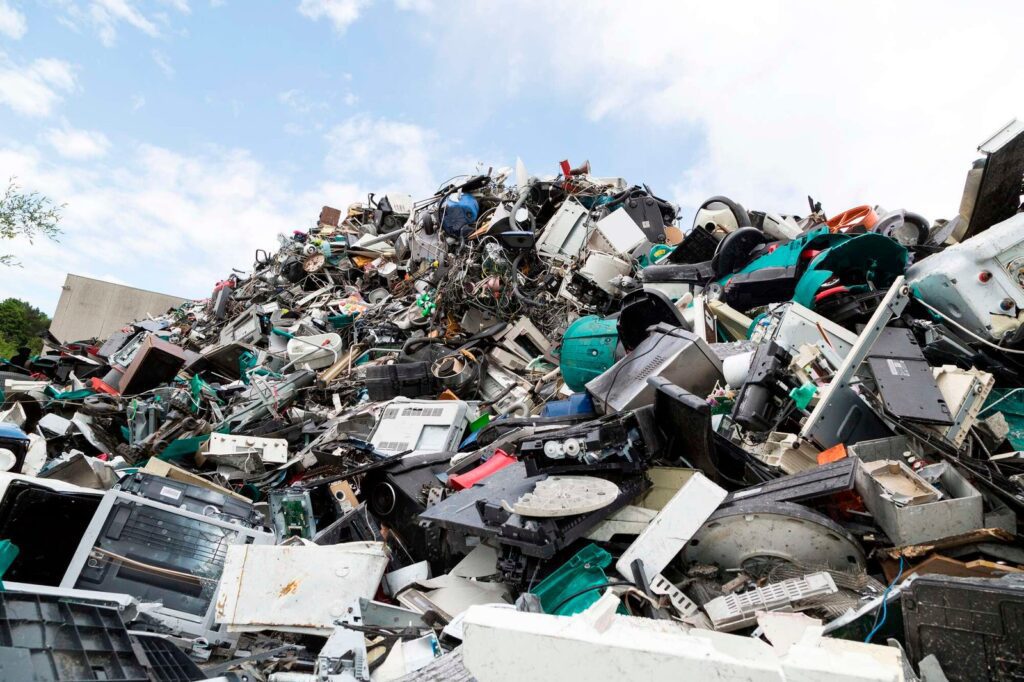
E-waste Connection: Unplugging the Dark Side of Our Digital Lives The sleek smartphone in your hand, the humming laptop on your desk – these marvels of technology connect us, inform us, and entertain us. But what happens when their usefulness fades? Enter the shadowy underworld of e-waste, a growing global crisis with an insidious connection to our digital habits. The Numbers Don’t Lie: The world generated a staggering 53.7 million metric tons of e-waste in 2019, and that number is projected to reach 74.7 million tons by 2030 (The World Bank, 2022). Only 17% of this e-waste is recycled, meaning the rest ends up in landfills, incinerators, or dumped illegally, leaching toxic chemicals into soil and waterways (UN Environment Programme, 2020). The Dark Side of the Circuit Board: E-waste isn’t just old gadgets. It’s a Pandora’s box of hazardous materials: Lead, mercury, and cadmium can contaminate the environment and pose serious health risks, affecting the nervous system, brain development, and even fertility. Open burning of e-waste releases harmful dioxins and furans, contributing to air pollution and respiratory illnesses. Improper disposal exposes workers in developing countries to dangerous chemicals and working conditions. Connecting the Dots: Our insatiable appetite for the latest tech fuels the e-waste problem. We upgrade our phones every year, replace laptops on a whim, and discard gadgets with barely a second thought. This culture of disposability is unsustainable and deeply connected to our digital habits: Planned obsolescence: Manufacturers shorten device lifespans, forcing us to buy new products, generating more e-waste. Fast fashion tech: The constant churn of trends and upgrades fuels our desire for the “new,” accelerating the discard cycle. Digital hoarding: We hold onto old devices “just in case,” cluttering our homes and contributing to the e-waste pile. Rewiring the Connection: Breaking free from the E-waste Connection requires a multifaceted approach: Responsible consumption: Think twice before buying a new gadget. Can you repair your old one? Buy second-hand? Extend its lifespan? Sustainable design: Manufacturers must prioritize durability, repairability, and responsible material sourcing. Effective recycling programs: Governments and businesses need to invest in proper e-waste infrastructure and accessible recycling facilities. Individual action: Educate yourself and others about e-waste, choose eco-friendly brands, and advocate for responsible tech practices. Unplugging from the Dark Side: Our digital lives don’t have to come at the cost of environmental and human health. By understanding the E-waste Connection and taking meaningful action, we can rewrite the narrative, making our tech smarter, greener, and more just. Remember, the power to unplug the dark side is in our hands.