Universal waste vs E-waste
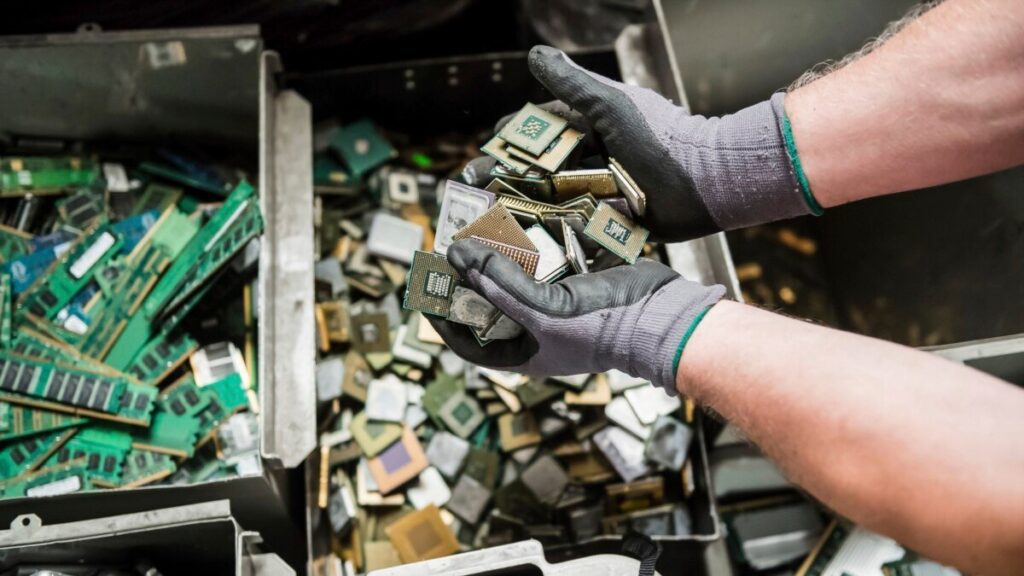
Introduction: In the ever-evolving landscape of waste management, distinguishing between electronic waste (e-waste) and universal waste is crucial. Understanding the differences ensures proper disposal and contributes to a sustainable future. Defining E-Waste: Electronic waste encompasses discarded electronic devices like smartphones, laptops, and appliances. These items often contain hazardous materials, demanding specialized handling to prevent environmental harm. Universal Waste Unveiled: Universal includes commonly generated hazardous waste items such as batteries, certain light bulbs, and pesticides. Unlike e-waste, universal waste regulations aim to streamline disposal processes for these widely produced hazardous materials. Key Differences: Composition: E-Waste: Primarily electronic devices with complex components. Universal Waste: Common household hazardous items like batteries and certain light bulbs. Regulatory Framework: E-Waste: Subject to specific e-waste disposal regulations to mitigate environmental impact. Universal Waste: Governed by waste regulations for simplified handling and recycling. Examples: E-Waste: Old computers, printers, and electronic gadgets. Universal Waste: Alkaline batteries, fluorescent light bulbs, and certain pesticides. Environmental Impact: Proper disposal of both e-waste and waste is critical. Recycling these materials prevents hazardous substances from seeping into the environment, protecting ecosystems and human health. Optimizing E-Waste Disposal: Local Recycling Centers: Find e-waste recycling centers that adhere to environmental standards. Manufacturer Take-Back Programs: Utilize programs offered by electronics manufacturers for responsible disposal. Community Collection Events: Participate in local events for safe e-waste disposal. Universal Waste Management Tips: Battery Recycling Bins: Dispose of batteries in designated recycling bins. Fluorescent Bulb Recycling: Use recycling facilities for proper disposal of fluorescent bulbs. Pesticide Collection Programs: Check for local programs to safely dispose of unused pesticides. Conclusion: Understanding the distinctions between e-waste and waste empowers us to make informed choices. Embrace responsible disposal practices to contribute to a cleaner, safer environment.