
What is considered e-waste
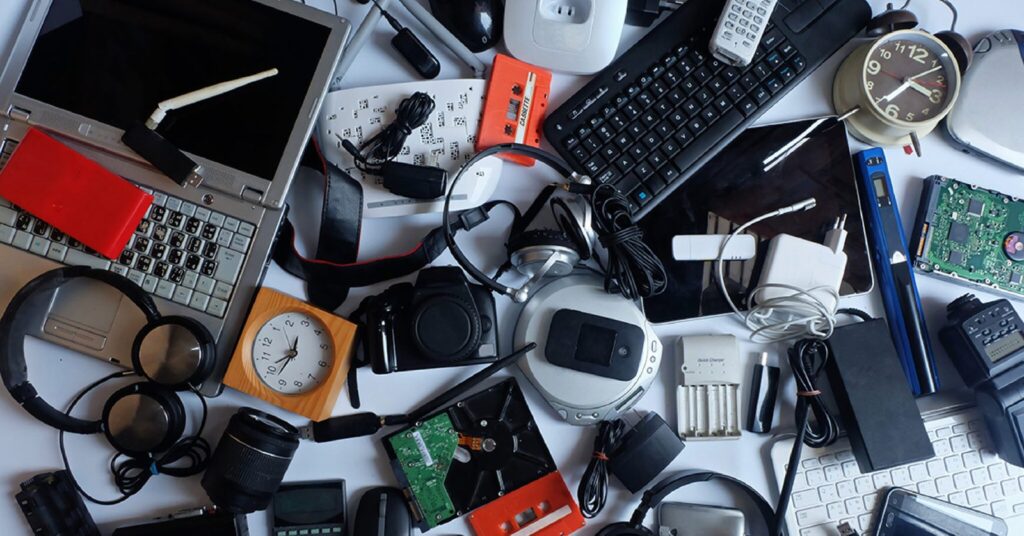
Is your tech graveyard overflowing with outdated gadgets and defunct devices? You’re not alone. The ever-evolving world of technology creates a mountain of electronic waste (e-waste) each year, and knowing what falls under this category is crucial for responsible disposal. Fear not, tech-savvy declutterers! This post is your one-stop guide to mastering the e-waste landscape, answering the burning question: “What is considered e-waste?“ and empowering you to dispose of it with an eco-conscious flourish. First things first: What qualifies as e-waste? According to the EPA, e-waste encompasses any discarded electrical or electronic device. Think beyond the obvious discarded computers and televisions. The e-waste net also snags: Small appliances: Blenders, toasters, coffee makers – bid farewell to broken buddies without harming the environment. Mobile phones and accessories: Chargers, earbud tangles, and that old flip phone deserve a responsible send-off. Entertainment tech: Cameras, speakers, even your grandpa’s record player all count as e-waste when their tunes fade away. Large appliances: Fridge on the fritz? Washing machine waltzing its way out? Give them a proper e-waste goodbye. Batteries: Those little powerhouses pack a big environmental punch. Dispose of them safely, not in the trash! But wait, there’s more! This list isn’t exhaustive. For a comprehensive breakdown, check out the EPA’s e-waste definition (reference link “What is considered e-waste”). Now that you’re a e-waste whiz, let’s tackle the next big question: How can I ditch my e-waste the right way? Fear not, eco-warriors! Numerous responsible disposal options await: Manufacturer take-back programs: Many tech giants offer convenient take-back programs for their specific products. Find yours and say sayonara to e-waste guilt-free. Retail e-waste collection: Major electronics retailers often have designated e-waste bins. Score points for sustainability and declutter your home in one trip! Community e-waste events: Keep an eye out for local e-waste collection events – a perfect opportunity to purge your tech graveyard and contribute to a cleaner planet. Certified e-waste recyclers: Don’t let the wires get tangled in confusion! Look for certified e-waste recyclers in your area for safe and responsible processing. Remember: Never toss e-waste in the trash! Improper disposal can contaminate soil and water, posing risks to both human health and the environment. Bonus tip: Before saying goodbye, explore opportunities to refurbish, reuse, or donate your electronics. Giving them a second life is like adding an extra verse to their techno-tunes! Conquering the e-waste monster is easier than you think! By understanding what is considered e-waste and choosing responsible disposal methods, you’re a champion for environmental protection and a role model for sustainable living. So, gather your tech ghosts, find your local disposal hero, and say goodbye to e-waste guilt! Go forth and declutter, Earth-lovers!
Where does e-waste end up?
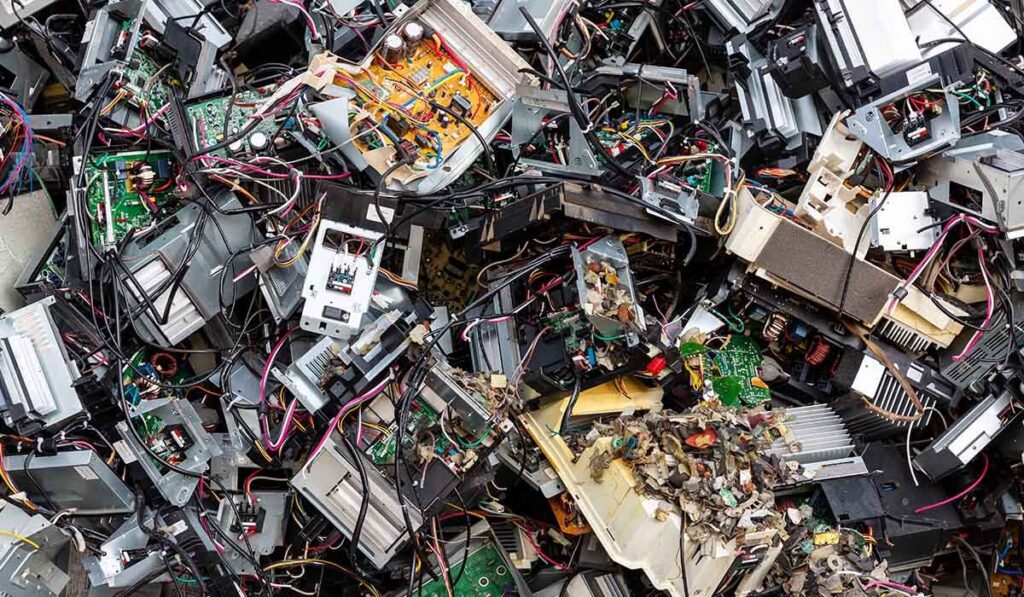
Every year, millions of smartphones, laptops, and other electronic devices reach the end of their functional life. But where do these gadgets go? Do they magically disappear into thin air, leaving behind a clean conscience and sparkling landfills? Unfortunately, the reality is far less mystical. The answer to “where does e-waste end up?” is a complex and often disturbing one. A Global Journey with a Troubling Finale E-waste, the fastest-growing waste stream on the planet, takes a diverse and often unsettling journey. Some components are dismantled and recycled properly, finding new life in everything from car parts to building materials. This responsible approach, while crucial, only handles a fraction of the e-waste mountain. The darker side of the story involves illegal dumping and exportation to developing countries. Mountains of discarded electronics pile up in places like Ghana, India, and Nigeria, where informal recycling operations expose workers and residents to toxic chemicals and hazardous conditions. These operations, driven by cheap labor and lax regulations, extract valuable metals but leave behind environmental and health consequences for generations. Unveiling the Hidden Costs The impacts of improper e-waste disposal extend far beyond the immediate dumping sites. Leached pollutants contaminate soil and water sources, poisoning ecosystems and jeopardizing human health. Burning e-waste releases harmful toxins into the air, contributing to respiratory illnesses and global warming. And the mountains of electronic waste themselves take up valuable land, further diminishing space for a growing population. Taking Responsibility: From Awareness to Action The responsibility for tackling the e-waste crisis doesn’t rest solely on the shoulders of developing nations. As consumers, we play a crucial role in minimizing our electronic footprint and ensuring responsible disposal. Here are some steps we can take: Extend the life of our devices: Invest in protective cases, upgrade RAM instead of buying a whole new computer, and consider repairs before replacements. Choose sustainable brands: Support companies committed to ethical manufacturing and responsible e-waste management. Recycle responsibly: Find certified e-waste recycling facilities in your area and avoid backyard burning or illegal dumping. Advocate for change: Support policies that incentivize responsible e-waste disposal and hold manufacturers accountable for the lifecycle of their products. Unraveling the Mystery, Embracing the Solution By understanding where e-waste ends up and the devastating consequences of irresponsible disposal, we can collectively rise to the challenge. Through informed choices, proactive actions, and unwavering advocacy, we can rewrite the narrative of e-waste. Let’s ensure that the journey of our discarded gadgets doesn’t lead to environmental degradation and human suffering. Let’s make responsible e-waste management the only acceptable destination.