
Who accepts e-waste
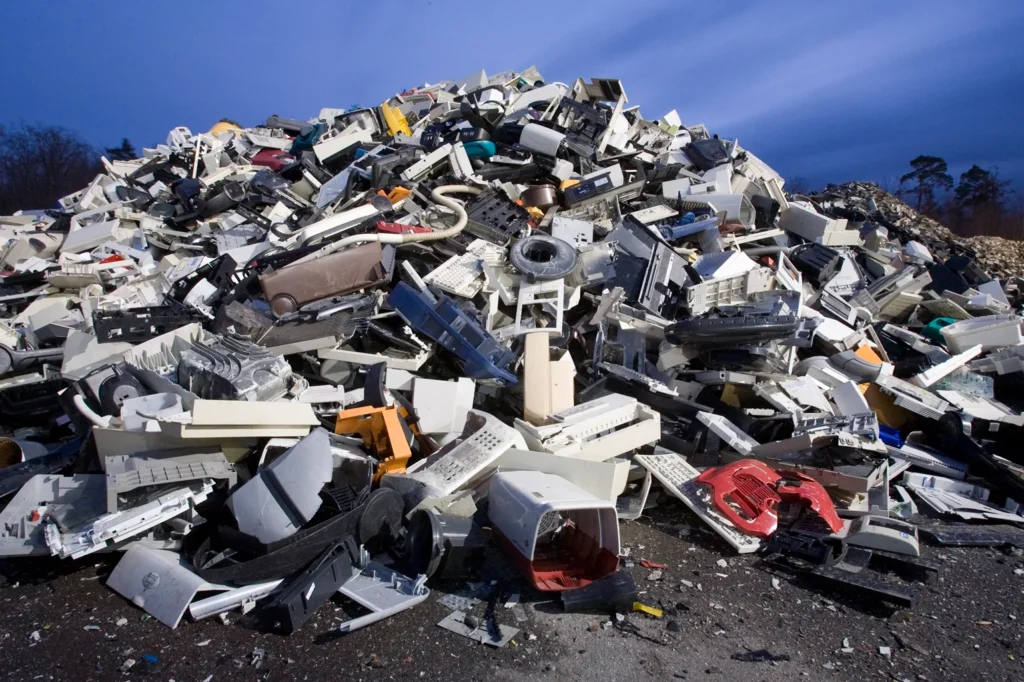
Decluttering your home and protecting the environment go hand-in-hand with responsible e-waste disposal. But navigating the landscape of who accepts e-waste can feel like a labyrinth of confusing options. Fear not, eco-conscious friends! This blog post is your one-stop guide to who accepts e-waste, making responsible disposal a breeze. Let’s Break it Down: E-waste, short for electronic waste, refers to discarded electronic devices and their components. From old smartphones and busted laptops to defunct printers and tangled cords, e-waste is a rapidly growing problem. Improper disposal can leach harmful toxins into the environment, posing serious health risks and polluting our precious ecosystems. But the good news is, you have options! Here’s a breakdown of who accepts e-waste near you: 1. Retailers: Many electronics retailers, like Best Buy and Staples, have e-waste recycling programs. They often accept a wide range of items, including TVs, computers, and small appliances, for free or at a small fee. Tip: Check their websites or stores for specific details and accepted items. 2. Manufacturer Take-Back Programs: Major electronics manufacturers, like Apple and Samsung, often have take-back programs for their own products. This means you can drop off your old devices at their stores or authorized service centers for responsible recycling. 3. Municipal Recycling Programs: Many cities and towns have curbside e-waste recycling programs. Check with your local waste management department to see if this is available in your area and what types of items they accept. 4. E-Waste Recycling Drop-Off Centers: Dedicated e-waste recycling facilities are becoming increasingly common. These centers accept a wide variety of electronic items and ensure safe and responsible processing. Use online directories like Earth911 or Recycle Nation to find one near you. 5. Non-Profit Organizations: Some non-profit organizations, like Goodwill and the Salvation Army, accept certain types of e-waste for donation or recycling. This can be a great option if your device is still in good condition and can be used by someone else. Remember: Always research what type of e-waste is accepted by each facility before dropping it off. Do your part to prepare your e-waste: Remove batteries, data storage devices, and any other non-electronic components. Ask questions! Don’t hesitate to contact the facility if you’re unsure about anything. By choosing responsible e-waste disposal, you’re not just decluttering your home, you’re also contributing to a healthier planet and a more sustainable future. References: EPA: https://www.epa.gov/international-cooperation/cleaning-electronic-waste-e-waste Earth911: https://earth911.com/ Recycle Nation: https://recyclenation.com/
Who takes e-waste
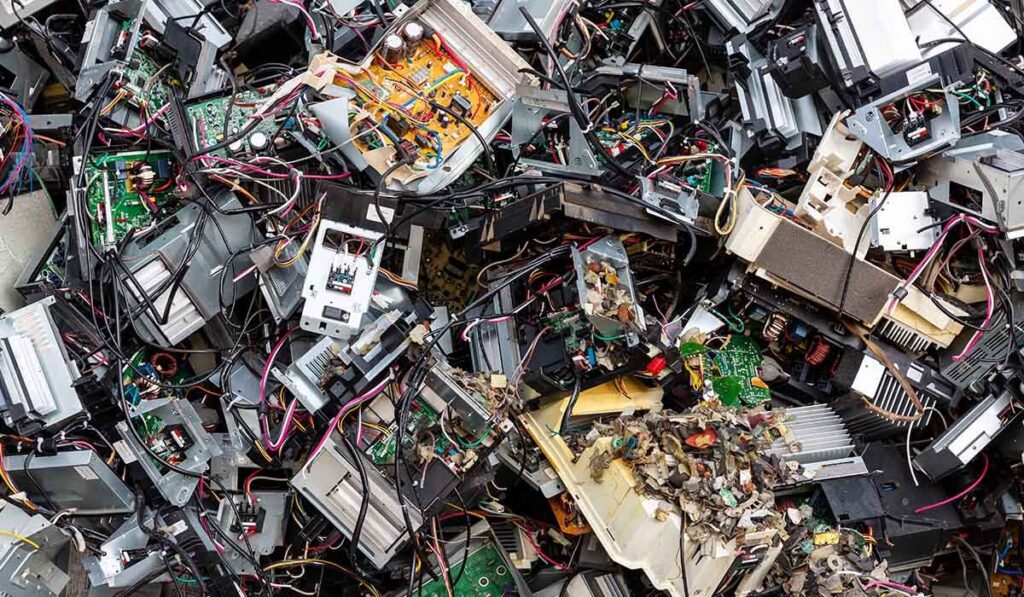
The ubiquitous glow of our smartphones, the whirring hum of our laptops, the sleek screens of our TVs – these technological marvels have become an essential part of our lives. But what happens when these devices reach the end of their lifespan? Our beloved gadgets, unfortunately, transform into mountains of “e-waste” – a growing global challenge with environmental and health consequences. So, who takes e-waste? The answer is not as simple as tossing it in the bin. Thankfully, there are numerous options for responsible disposal, each with its own advantages and limitations. 1. Official E-Waste Collection Programs: Government-backed initiatives: Many countries have established e-waste collection programs, often in partnership with electronics manufacturers. These programs provide designated drop-off points or even offer pick-up services. Check your local government website or environmental agency for details. Retailer take-back programs: Major electronics retailers like Best Buy, Staples, and Microsoft often accept used electronics for recycling. This is a convenient option, especially when buying new devices. 2. E-Waste Recycling Organizations: Non-profit organizations: Dedicated e-waste recycling organizations like e-Stewards and the Responsible Recycling Partnership offer safe and ethical disposal options. They ensure proper dismantling and recycling of materials, minimizing environmental impact. Private recycling companies: Many private companies specialize in e-waste recycling. Research their practices and certifications to ensure responsible disposal. 3. Alternative Options: Refurbishing and resale: If your electronics are still functional, consider refurbishing and reselling them. This gives them a new lease on life and reduces the need for new production. Online platforms like eBay and Facebook Marketplace offer excellent avenues for reselling. Donation: Working electronics can be donated to charities, schools, or community centers, providing valuable resources to those in need. Remember: Check the type of ewaste: Different types of electronics have different disposal requirements. Batteries, for example, require special handling. Data security: If your electronics contain sensitive data, take steps to erase it before disposal. Software wiping tools are readily available. Ask questions: Don’t hesitate to contact e-waste collection facilities or recycling organizations to inquire about their specific procedures and certifications. Taking responsibility for our e-waste is crucial for protecting the environment and ensuring the health of our communities. By understanding who takes ewaste and choosing responsible disposal options, we can contribute to a more sustainable future. References: Environmental Protection Agency (EPA): https://www.epa.gov/international-cooperation/cleaning-electronic-waste-e-waste e-Stewards: https://e-stewards.org/ Responsible Recycling Partnership: https://recyclingpartnership.org/implementingpolicy/ World Economic Forum: https://www.weforum.org/agenda/2023/10/recycle-e-waste-old-phone-chargers/
Why is e-waste bad?
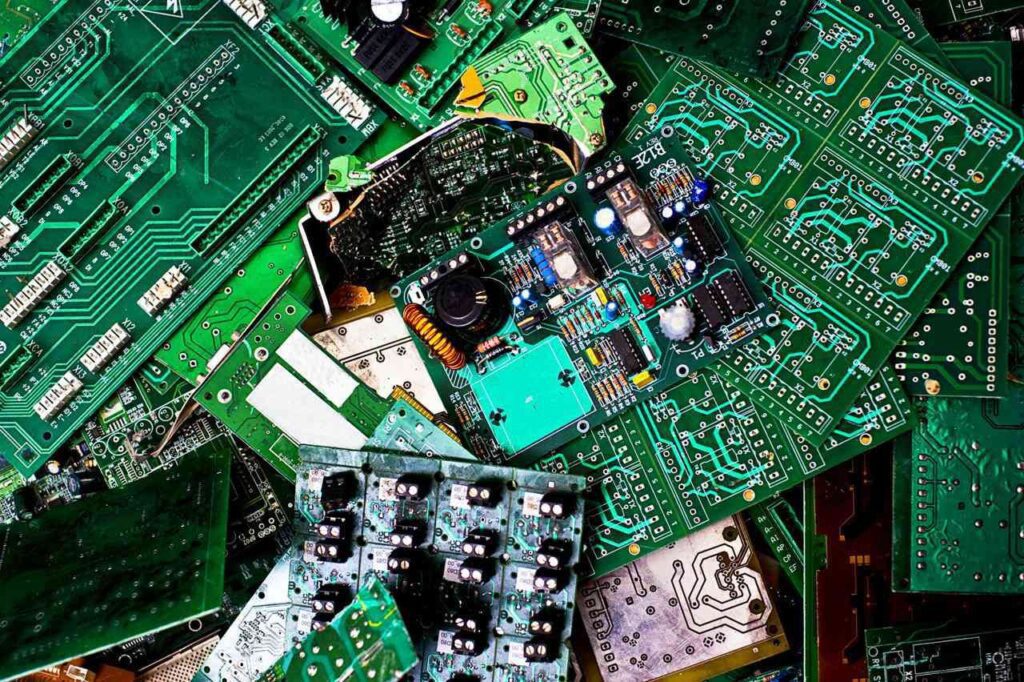
Technology marches on, leaving a trail of discarded devices in its wake. From smartphones to laptops, our reliance on electronics is at an all-time high, but what happens to these gadgets when they inevitably reach the end of their functional life? The answer, unfortunately, is often e-waste, and its impact on our health and environment is far from trivial. Why is e-waste bad? Let’s break it down: 1. Toxic Cocktail: E-waste isn’t just discarded plastic and metal. It’s a cocktail of hazardous materials like mercury, lead, arsenic, and brominated flame retardants (BFRs). When improperly disposed of, these toxins leach into the soil and water, contaminating ecosystems and threatening public health. Exposure can lead to a range of problems, from neurological damage and respiratory issues to birth defects and cancer. 2. Landfilling Frenzy: E-waste is the fastest-growing waste stream globally, with millions of tons ending up in landfills each year. This not only takes up valuable space but also poses a long-term threat as toxins slowly seep into the environment. Furthermore, traditional landfill methods often involve incineration, releasing harmful pollutants into the air. 3. Resource Robbery: Electronic devices contain valuable resources like rare earth metals, precious metals, and copper. Throwing them away is like tossing away valuable resources that could be recycled and reused. Improper e-waste management depletes our natural resources and creates a burden on future generations. 4. Global Inequality: The negative effects of e-waste aren’t evenly distributed. Often, developed countries export their e-waste to developing nations, where lax regulations and informal recycling practices expose workers and communities to hazardous conditions and toxic pollution. This is an unethical and unsustainable practice that needs to be addressed. So, what can we do? The responsibility lies with both individuals and corporations: Reduce: Resist the urge to upgrade constantly. Repair and maintain your devices if possible, and choose durable, long-lasting products. Reuse: Donate or sell old electronics instead of discarding them. Consider giving them a second life through upcycling projects. Recycle: Find responsible ewaste recycling facilities in your area and ensure your old electronics are disposed of safely and sustainably. Advocate: Support policies that promote responsible e-waste management and hold manufacturers accountable for the lifecycle of their products. E-waste isn’t just a pile of discarded electronics; it’s a ticking time bomb. By understanding the dangers and taking action, we can prevent e-waste from becoming a toxic legacy for future generations. Let’s choose a sustainable future where technology doesn’t come at the cost of our health and planet. Further Reading: World Health Organization: https://www.who.int/news/item/15-06-2021-soaring-e-waste-affects-the-health-of-millions-of-children-who-warns United Nations Environment Programme: https://www.unep.org/resources/report/e-waste-20-recycling-sustainability Basel Convention on the Control of Transboundary Movements of Hazardous Wastes and their Disposal: https://www.unep.org/resources/report/basel-convention-control-transboundary-movements-hazardous-wastes