Electronic waste, commonly known as e-waste, is becoming a growing environmental and public health concern worldwide. From old smartphones and computers to discarded televisions, batteries, and household appliances, electronic equipment can create serious problems when it is not handled responsibly.
Although electronics contain valuable materials that can be recovered and recycled, some also contain hazardous substances that can harm people and the environment when released through unsafe disposal or recycling practices.
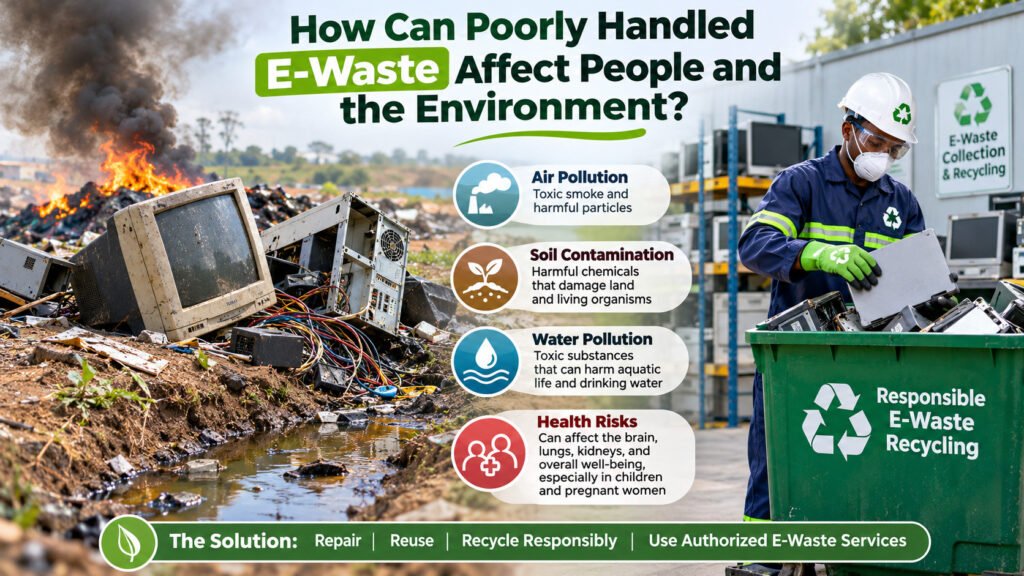
Poorly handled e-waste can contaminate air, soil, and water, expose people to harmful chemicals, damage ecosystems, and waste valuable natural resources. Understanding these risks is an important step toward safer electronic waste management.
What Is Poorly Handled E-Waste?
Poorly handled e-waste refers to discarded electrical and electronic equipment that is collected, stored, dismantled, transported, recycled, or disposed of without appropriate environmental and safety precautions.
Common examples include:
- Burning electrical cables to recover copper.
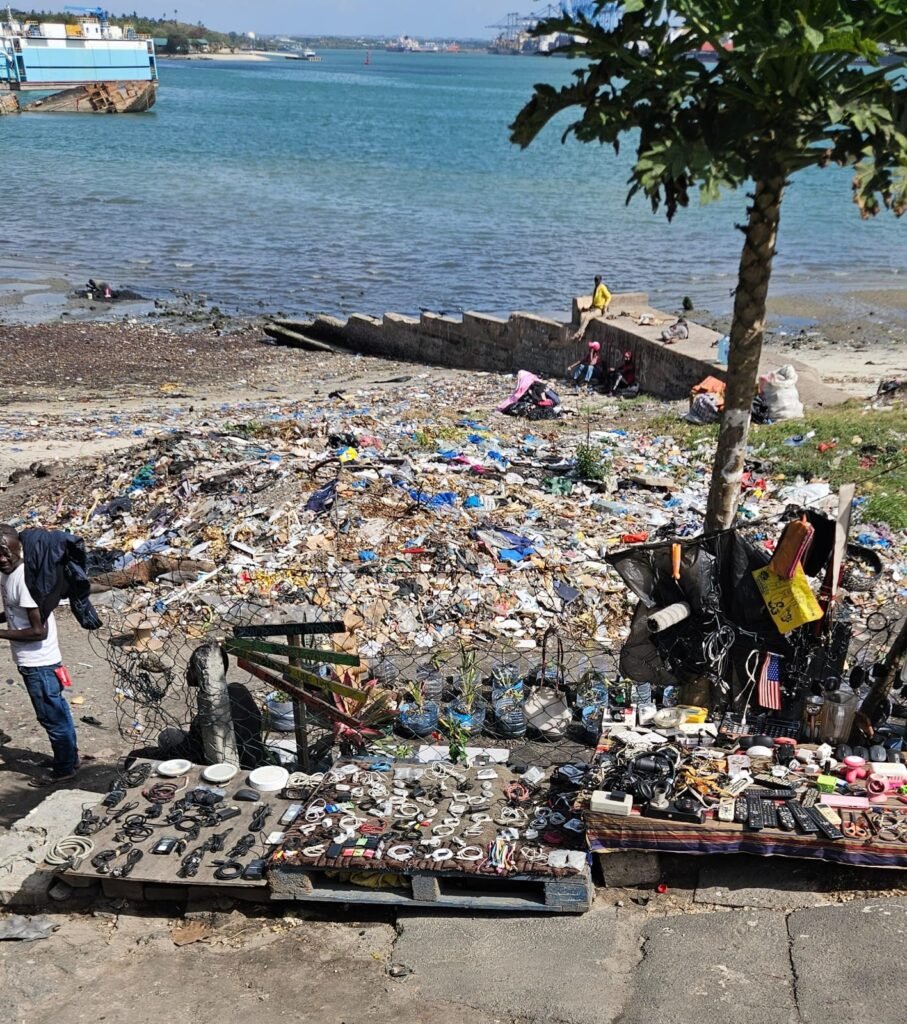
- Dumping electronics in open spaces, rivers, or uncontrolled landfills.
- Breaking electronic components without suitable protective equipment.
- Using uncontrolled chemical processes to extract valuable metals.
- Mixing damaged batteries and other hazardous electronic components with ordinary household waste.
These practices can release substances such as lead, mercury, cadmium, and toxic combustion by-products.
For more information about discarded electronics, read What Is Considered E-Waste?.
How Does Improper E-Waste Disposal Affect the Environment?
1. Soil Contamination
When electronic waste is dumped on land or processed improperly, hazardous substances may enter the surrounding soil.
For example, lead and cadmium released from certain electronic components can accumulate in contaminated areas. This may affect soil quality, threaten organisms living in the soil, and create exposure risks for nearby communities.
Land that is repeatedly used for uncontrolled electronic waste disposal may require environmental assessment and remediation before it can be safely used.
2. Water Pollution
Improperly discarded electronics can contribute to water contamination when hazardous substances leach from waste or when polluted runoff enters nearby water bodies.
Unsafe chemical recovery methods can also release contaminated liquids into the environment.
These pollutants may affect rivers, groundwater, aquatic organisms, and potentially drinking water supplies.
Learn more about the consequences in What Happens If Electronics Go to Landfill?.
3. Air Pollution
Open burning is one of the most dangerous forms of improper e-waste processing.
Burning plastic-coated wires, circuit boards, and other electronic components can release toxic smoke, fine particles, and harmful chemicals into the air.
These pollutants can expose workers and nearby residents through inhalation. Wind can also carry contaminated particles beyond the original burning site.
According to the World Health Organization (WHO), unsafe e-waste recycling can release pollutants that contaminate air, soil, dust, and water.
4. Damage to Ecosystems and Loss of Resources
E-waste pollution can affect plants, animals, microorganisms, and aquatic ecosystems.
Improper disposal also wastes recoverable materials such as copper, aluminium, gold, and other valuable resources.
When these materials are lost instead of recovered, additional mining and manufacturing may be needed to replace them.
Responsible recycling helps conserve resources, reduces unnecessary waste, and supports a more circular economy.
How Can E-Waste Affect Human Health?
People may be exposed to hazardous substances from improperly handled electronics by breathing contaminated air or dust, consuming contaminated food or water, or coming into contact with polluted materials.
The health effects depend on the chemicals involved, the amount of exposure, and how long exposure continues.
Effects on Workers and Nearby Communities
Workers handling electronic waste without adequate safety measures may face exposure to toxic substances, cuts, burns, and other physical injuries.
Certain pollutants associated with unsafe e-waste processing can affect the nervous system, kidneys, lungs, and other organs.
People living near uncontrolled recycling or dumping sites may also face health risks from contaminated air, water, soil, and household dust.
Risks to Children and Pregnant Women
Children and pregnant women are particularly vulnerable to hazardous e-waste exposures.
Children’s developing brains and nervous systems are especially sensitive to substances such as lead and mercury. Exposure to pollutants from unsafe recycling activities has been associated with learning difficulties, developmental problems, respiratory effects, and adverse pregnancy outcomes.
The WHO discusses these risks in its report, Children and Digital Dumpsites: E-Waste Exposure and Child Health.
Why Is Improper E-Waste Management a Global Concern?
Electronic waste is not a problem limited to one country or region.
According to the Global E-Waste Monitor 2024, the world generated approximately 62 million tonnes of e-waste in 2022, but only 22.3% was documented as formally collected and recycled.
This does not mean all remaining e-waste was dumped illegally. It does, however, highlight a significant gap in documented collection and recycling.
The challenge affects developed and developing countries alike, particularly where collection systems, recycling infrastructure, and environmental enforcement are inadequate.
International cooperation also matters. The Basel Convention provides a framework for controlling certain international waste movements and protecting human health and the environment.
How Can We Prevent E-Waste Pollution?
Reducing the environmental and health risks of e-waste requires responsible action from individuals, businesses, manufacturers, and governments.
Key practices include:
- Extend the life of electronics. Maintain and repair equipment where practical rather than replacing it unnecessarily.
- Choose responsible recycling. Use authorized collection and recycling services that manage hazardous components safely.
- Avoid unsafe disposal. Never burn electronics, discard batteries irresponsibly, or dump electronic waste in the environment.
- Protect personal and organizational data. Ensure appropriate data sanitization or destruction before recycling devices that store sensitive information.
- Support safe handling and accountability. Organizations should maintain suitable collection arrangements, employee safety procedures, and disposal records.
Learn how professional e-waste collection and recycling works and why secure data destruction is an important part of responsible IT equipment disposal.
Frequently Asked Questions
Is all electronic waste dangerous?
Not every electronic item presents the same level of risk. However, some contain hazardous components or substances that require special handling. Risk increases when electronics are damaged, burned, dismantled unsafely, or discarded in unsuitable locations.
Can e-waste contaminate drinking water?
Yes. Hazardous substances from improperly managed electronics may enter soil, groundwater, and surface water, potentially affecting drinking water sources.
Can e-waste pollution affect people who do not work in recycling?
Yes. People living near contaminated areas may be exposed through polluted air, dust, food, or water, even if they never handle electronic waste themselves.
What is the safest way to dispose of old electronics?
Use an authorized electronic waste collection or recycling service. Keep damaged batteries and hazardous items separate, follow local disposal requirements, and ensure sensitive data is handled securely.
Conclusion: Responsible E-Waste Management Protects Everyone
Poorly handled electronic waste can have consequences far beyond the place where it is discarded. Pollution can spread through air, soil, and water, while hazardous substances may threaten human health and ecosystems.
The solution begins with responsible consumption, safe collection, appropriate treatment, and environmentally sound recycling.
Every electronic device managed responsibly is an opportunity to prevent pollution, conserve resources, and protect future generations.
At Nalabix Eco, we support responsible electronic waste collection, recycling, and secure data destruction in Kenya.
Whether you are an individual, business, or institution looking for appropriate e-waste management services, contact Nalabix Eco to discuss your requirements.