
When was e-waste a problem?
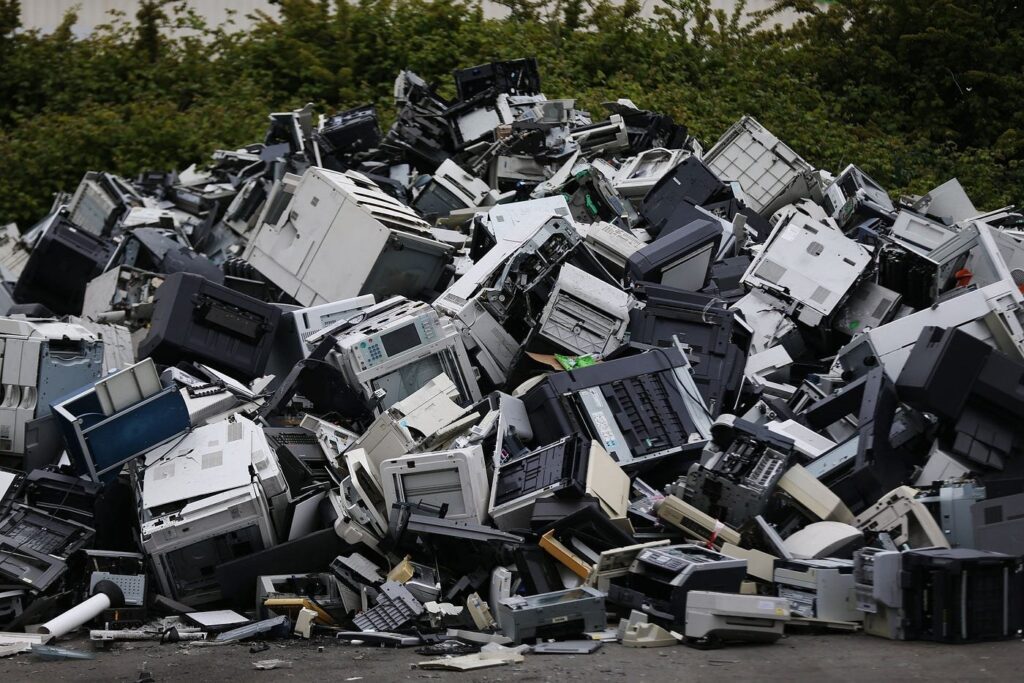
“When was e-waste a problem?“ It’s a question that haunts environmentalists and tech enthusiasts alike. The mountains of discarded gadgets piling up across the globe paint a bleak picture, but pinpointing the exact origin of this electronic avalanche is trickier than you might think. Seeds of a Digital Dilemma: While concerns about electronic waste (e-waste) can be traced back to the early 1970s with the rise of large, clunky computers, the term “e-waste” itself didn’t gain traction until the 1990s. This coincides with the explosive growth of personal computers and mobile phones, laying the groundwork for the exponential surge in discarded electronics we witness today. Fueling the Fire: Several factors have stoked the e-waste inferno: Rapid technological advancements: New smartphones, computers, and gadgets render their predecessors obsolete at an alarming rate, accelerating the disposal cycle. Planned obsolescence: Whispers abound about manufacturers designing devices with shorter lifespans, intentionally pushing consumers towards upgrades. Consumerism: Our insatiable appetite for the latest gizmos exacerbates the problem, encouraging frequent gadget replacements. The Toxic Underbelly: E-waste isn’t just an eyesore; it’s a ticking environmental and health time bomb. Many electronic components contain hazardous materials like lead, mercury, and arsenic. Improper disposal of these devices can leach these toxins into the soil and water, poisoning ecosystems and endangering human health. Where Do We Stand Now? As of 2023, e-waste is the fastest-growing waste stream in the world, with an estimated 53.6 million metric tons generated annually. This number is projected to skyrocket to 74.7 million tons by 2030, highlighting the urgency of addressing this crisis. A Glimmer of Hope: Despite the grim outlook, there are rays of hope. International regulations like the Basel Convention aim to control the transboundary movement of hazardous waste, including e-waste. Additionally, responsible manufacturers are implementing eco-design principles and take-back programs, promoting responsible e-waste management. So, when was e-waste a problem? The answer, unfortunately, is multifaceted. While early awareness emerged in the 1970s, the problem truly exploded in the late 20th and early 21st centuries, fueled by technological advancements, consumerism, and questionable industry practices. But the story doesn’t end there. We can still steer this runaway train towards a sustainable future by fostering responsible electronic production, consumption, and disposal. The question isn’t just “when” was e-waste a problem, but how quickly can we find solutions to mitigate this growing threat? Take Action: Educate yourself about e-waste disposal options in your area. Choose durable, repairable electronics over flimsy alternatives. Extend the life of your gadgets through proper care and maintenance. Support manufacturers with responsible e-waste policies. Spread awareness about the e-waste crisis and advocate for sustainable solutions. Together, we can turn the tide on this electronic tsunami and build a greener future for all.
When did e-waste start?
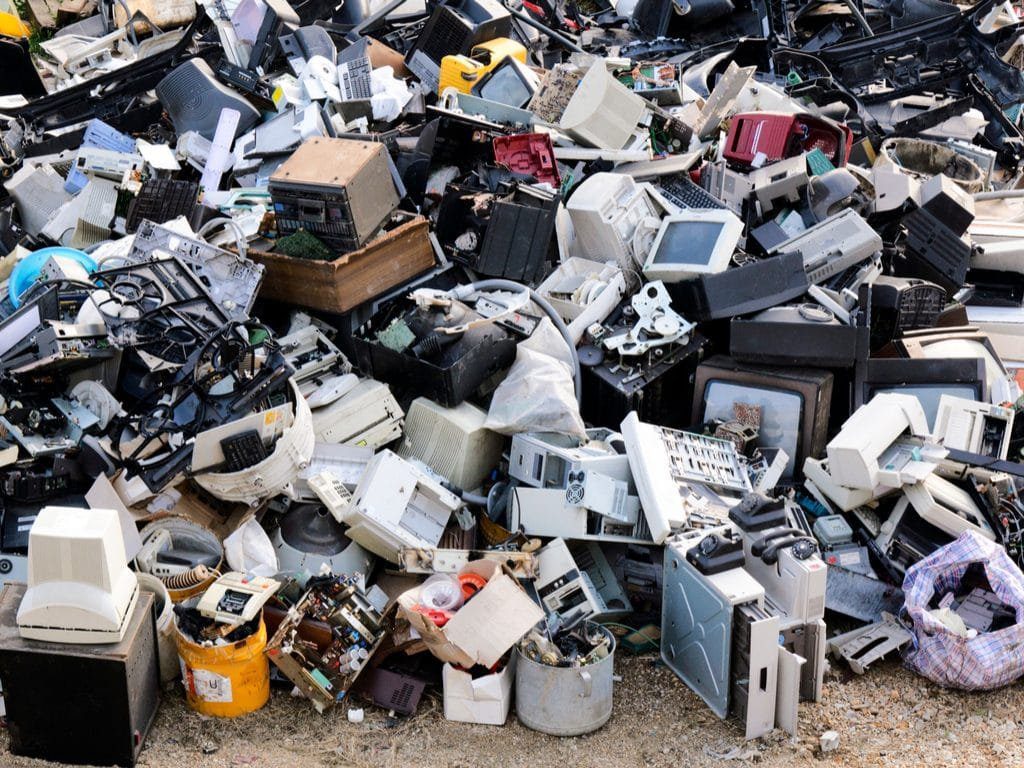
Understanding the Origins of a Growing Problem Introduction In today’s world, electronic devices are ubiquitous. When did e-waste start? They’re in our homes, our offices, our pockets, and even our cars. But as technology advances and new devices are released, older ones become obsolete, leading to a growing problem: electronic waste, or e-waste. When did e-waste start? This question is crucial to understanding the scope of the issue and finding effective solutions. Tracing the Roots of E-Waste While the concept of e-waste may seem relatively new, its origins can be traced back further than you might think. Here’s a brief timeline of key events that shaped the evolution of e-waste: Mid-1970s: The need for proper e-waste disposal began to emerge, driven by the increasing popularity of electronic devices. 1976: The Resource Conservation and Recovery Act (RCRA) was passed in the United States, making it illegal to dump e-waste in landfills. 1980s: Several international incidents involving e-waste dumping highlighted the need for global regulations. 1989: The Basel Convention was adopted, restricting the international trade of hazardous waste, including e-waste. 1991: Switzerland implemented one of the first formal e-waste recycling systems. Early 2000s: The European Union introduced the Waste Electrical and Electronic Equipment (WEEE) Directive, promoting e-waste recycling and reuse. Conclusion Understanding the history of e-waste is essential for addressing the challenges it poses today. By recognizing its early origins and the factors that have contributed to its growth, we can develop more effective strategies for responsible e-waste management and minimize its impact on the environment and human health. References: A Brief History on the Electronic Waste Disposal Industry: https://ecloudrecycle.com/about/ Electronic waste recycling – Wikipedia: https://en.wikipedia.org/wiki/Electronic_waste_recycling
What can e-waste cause
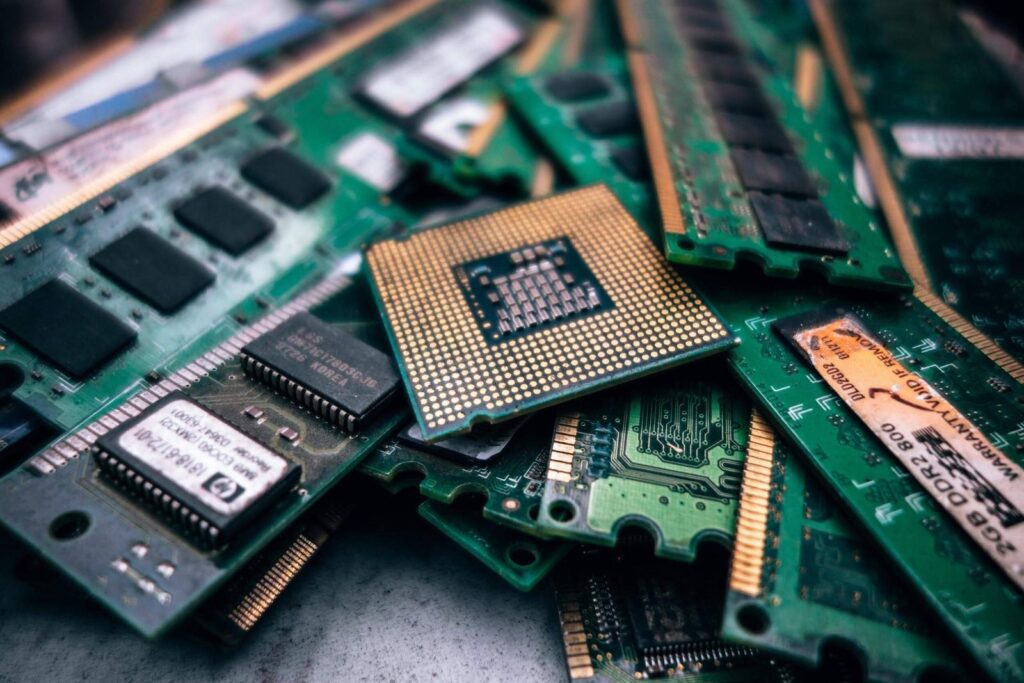
In our technologically driven world, the rapid consumption and disposal of electronic devices contribute to a growing concern – electronic waste, or e-waste. The repercussions of improper e-waste management can have far-reaching environmental consequences. Let’s delve into the question: What can e-waste cause? Toxic Leachates and Soil Contamination: E-waste is often laden with hazardous materials such as lead, mercury, and cadmium. Improper disposal, such as dumping electronics in landfills, can result in the leaching of these toxic substances into the soil. This contamination poses a severe threat to the fertility of the land and can have detrimental effects on plant and microbial life. Water Pollution and Human Health Risks: As e-waste toxins leach into the soil, there is a high risk of contaminating nearby water sources. This pollution can affect aquatic ecosystems and, in turn, pose threats to human health. Consuming water contaminated with hazardous materials from e-waste can lead to a range of health issues, including neurological disorders and developmental abnormalities. Airborne Hazardous Particles: E-waste disposal methods, such as incineration, release hazardous particles into the air. These airborne pollutants can contribute to air pollution, affecting both the environment and human respiratory health. Prolonged exposure to these pollutants may lead to respiratory diseases and other respiratory-related complications. Electronic Waste and Climate Change: The production, transportation, and disposal of electronic devices contribute to carbon emissions, contributing to climate change. E-waste management processes, including recycling and incineration, release greenhouse gases into the atmosphere. Addressing e-waste is not only an environmental concern but also a critical aspect of global efforts to combat climate change. Mitigating the Impact: To address the question of what e-waste can cause, proactive measures are essential. Responsible e-waste disposal, recycling initiatives, and raising awareness about the environmental impact of e-waste are crucial steps toward mitigating these issues. For further insights into the environmental impact of e-waste, refer to reputable sources such as Greenpeace’s Guide to Greener Electronics and The Basel Action Network (BAN). Understanding the consequences of e-waste empowers us to make informed choices for a sustainable and healthier future.