
E-waste and environment
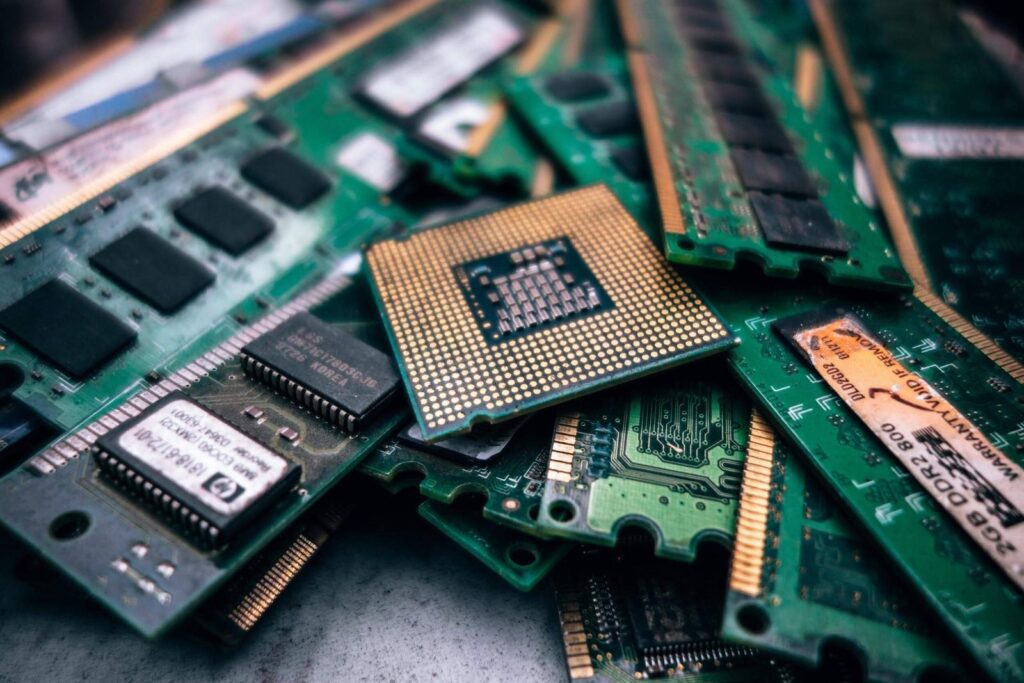
Introduction: In the era of rapid technological advancements, the issue of electronic waste (e-waste) poses a significant threat to our environment. Let’s explore the intricate relationship between e-waste and the environment, understanding the challenges and seeking sustainable solutions. E-Waste Defined: E-waste, encompassing discarded electronic devices like smartphones, laptops, and appliances, poses environmental threats. Improper disposal leads to degradation due to hazardous materials like lead, mercury, and cadmium. The Environmental Toll of E-Waste: E-waste contains toxic substances, contaminating soil and water, endangering ecosystems and human health. Additionally, electronic device production depletes resources, contributing to deforestation, mining, and increased energy consumption. E-Waste and Climate Change: The management of e-waste, involving transportation and recycling, contributes to a significant carbon footprint, exacerbating climate change. Sustainable practices are imperative to alleviate these environmental impacts. Sustainable Solutions: Responsible Disposal: Utilize e-waste recycling facilities for proper handling of electronic devices, mitigating environmental harm1. Extended Product Lifespan: Opt for repairing or upgrading devices to reduce the frequency of replacements. Promote E-Waste Awareness: Educate communities on the significance of responsible e-waste management, fostering a collective commitment to environmental well-being. By adopting these sustainable solutions, we can collectively address the challenges posed by e-waste, ensuring a healthier environment for current and future generations. United Nations Environment Programme (UNEP). (2022). “Solving the E-waste Problem.
E-Waste and Biomedical Waste
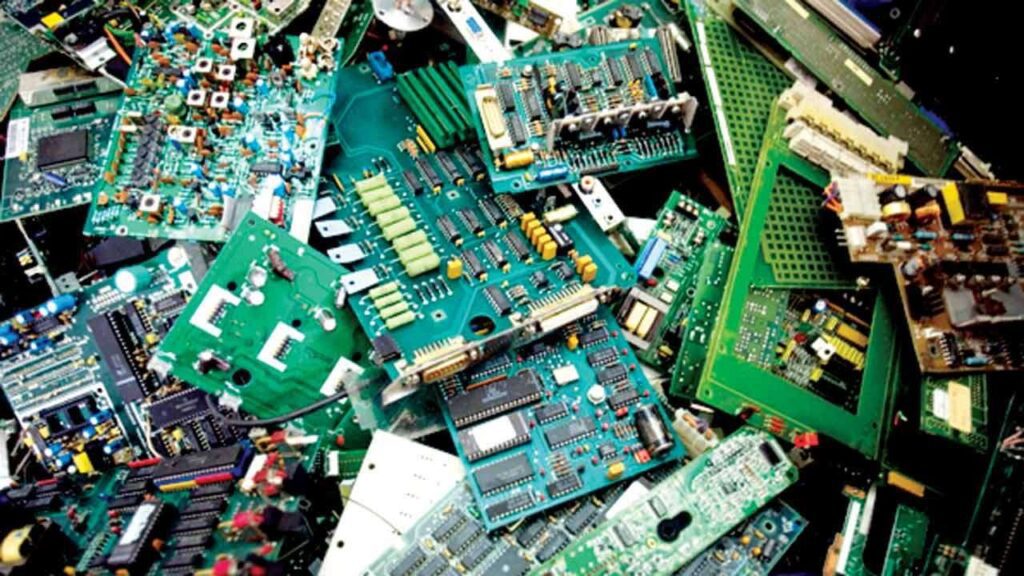
The digital revolution has undeniably transformed our lives, but its shadow side lurks in the mountains of discarded electronics we generate – e-waste. This ever-growing pile of obsolete computers, phones, and gadgets isn’t just an eyesore; it’s a ticking time bomb for our planet and our health. But before we delve into the e-waste menace, let’s acknowledge another silent, insidious threat: biomedical waste. From used syringes to infected bandages, healthcare facilities produce a significant amount of hazardous waste requiring careful handling and disposal. Intertwined Threats: While seemingly dissimilar, e-waste and biomedical waste share a sinister synergy. Both possess the potential to: Contaminate our environment: Improper disposal of e-waste releases toxic chemicals like lead, mercury, and arsenic into soil and water sources, poisoning ecosystems and threatening wildlife. Similarly, mishandled biomedical waste can spread pathogens and hazardous microbes, jeopardizing public health. Fuel climate change: E-waste mountains decompose slowly, releasing greenhouse gases that accelerate global warming. Additionally, manufacturing new electronics requires immense energy, further driving carbon emissions. Biomedical waste incineration, if not controlled, also contributes significantly to air pollution. Endanger human health: Direct exposure to toxins from e-waste and pathogens from biomedical waste can cause a range of health problems, from respiratory issues to neurological disorders. Breaking the Tangled Chain: The good news is, we can untangle this mess and secure a healthier future for our planet and ourselves. Here’s how: Responsible disposal: Implement responsible e-waste management practices like recycling, refurbishment, and secure disposal through authorized channels. Ensure proper segregation and treatment of biomedical waste to neutralize pathogens and prevent environmental contamination. Sustainable production: Encourage manufacturers to adopt sustainable practices in designing and producing electronics, incorporating recycled materials and minimizing hazardous components. Advocate for sustainable healthcare practices that generate less waste and utilize environmentally friendly alternatives. Raising awareness: Public education and awareness campaigns are crucial in tackling this issue. By understanding the dangers of e-waste and biomedical waste, individuals can make informed choices and demand responsible waste management practices. References: World Health Organization. (2019, February 7). Electronic waste (e-waste). https://www.who.int/news-room/facts-in-pictures/detail/e-waste-and-child-health United Nations Environment Programme. (2020, September 25). A new plastic treaty in sight as world unites behind draft text to control plastic pollution. https://www.edie.net/un-plastics-treaty-draft-unveiled-with-global-bans-on-problematic-plastics-in-sight/ The Lancet. (2015, October 31). Managing healthcare waste for a healthier planet. https://www.thelancet.com/journals/lanplh/home By taking action, we can untangle the web of e-waste and biomedical waste and weave a tapestry of a sustainable future. Let’s choose conscious consumption, responsible disposal, and unwavering advocacy to break this toxic cycle and protect our planet, our health, and our future.
E-waste and climate change
Electronic waste, or e-waste, is a growing problem that has serious implications for the environment and climate change. E-waste refers to any electronic device that is no longer in use, such as computers, televisions, and mobile phones. These devices contain hazardous materials that can be harmful to the environment if not disposed of properly. According to the World Economic Forum, electronics represent the fastest-growing waste stream in the world. In 2022, it was estimated that 5 billion cell phones would become e-waste. This is a significant problem because e-waste contains toxic chemicals such as lead, mercury, and cadmium that can leach into the soil and water, contaminating the environment and posing a risk to human health with rgards to climate change. The United Nations has called for a new vision for e-waste based on the “circular economy” concept, whereby a regenerative system can minimize waste and energy leakage. Recycling e-waste from landfills reduces methane emissions, which are 25 times more potent than carbon dioxide at trapping heat in the atmosphere. The initiative makes the waste pickers more resilient to poverty by providing green jobs that increase their incomes and protect them from the risks of exposure to toxins and heavy metals.
E-waste full form
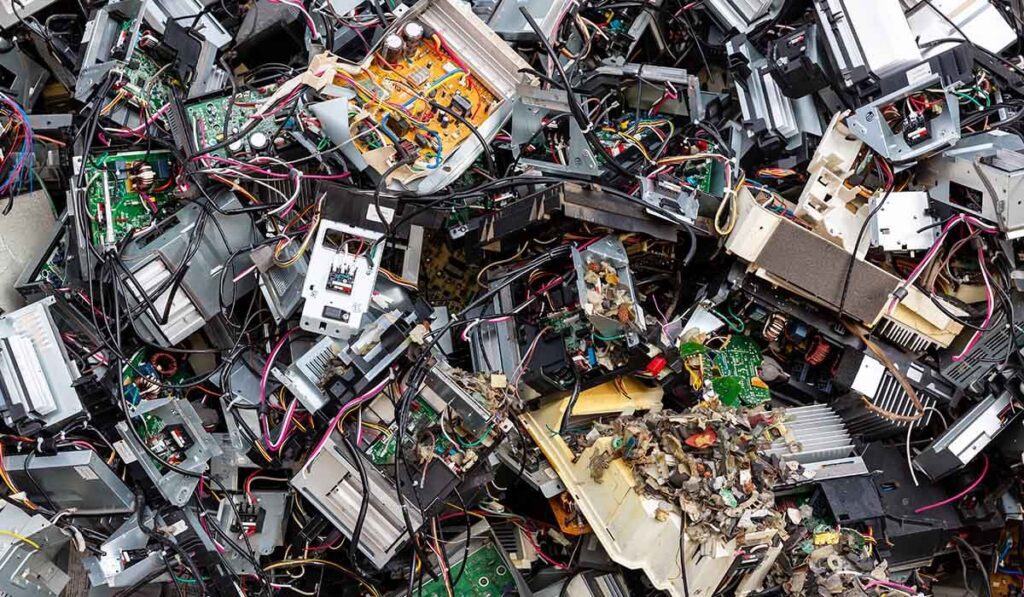
We’re all surrounded by a sea of gadgets – smartphones buzzing, laptops humming, TVs flickering. But what happens when these beloved devices reach the end of their service? Enter the complex world of e-waste, a term you might have heard, but whose full meaning and consequences may surprise you.E-waste full form. Decoding the Acronym: E-Waste Explained E-waste is an abbreviation for Electronic Waste. It refers to any discarded electrical or electronic equipment, from phones and computers to refrigerators and toasters. Essentially, when your old iPhone becomes an antique paperweight, it joins the ever-growing mountain of e-waste. But why is e-waste such a big deal? A Growing Global Crisis: E-waste is the fastest-growing waste stream in the world, with the UN estimating that 53.6 million metric tons were generated in 2019 alone. This number is expected to double by 2050! Environmental Threat: Improper disposal of e-waste can contaminate soil, water, and air with harmful chemicals like lead and mercury. These toxins pose a significant threat to human health and the environment. Resource Recovery Potential: E-waste is packed with valuable resources like precious metals, copper, and rare earth elements. Responsible recycling can recover these resources, reducing the need for virgin material extraction and conserving precious resources. Optimizing Your E-Waste Awareness: Keywords: E-waste management, sustainable electronics, responsible disposal, environmental impact, resource recovery. Internal Linking: Connect to posts on green living, responsible consumerism, and recycling initiatives. Headings and Subheadings: Break down the content for easy reading and SEO. Meta Description: Clearly summarize the post’s content and target keywords. Images and Videos: Use high-quality visuals to engage readers and illustrate key points. Social Media Promotion: Share your post on relevant platforms and engage with the conversation. References: StEP Initiative: https://www.step-initiative.org/ Global E-waste Monitor 2020: https://www.itu.int/en/ITU-D/Environment/Pages/Spotlight/Global-Ewaste-Monitor-2020.aspx World Health Organization: https://www.who.int/news/item/15-06-2021-soaring-e-waste-affects-the-health-of-millions-of-children-who-warns By understanding the full meaning of e-waste and its global impact, we can start making informed choices as consumers and advocate for responsible disposal and recycling practices. Let’s work together to ensure that our technological advancements don’t come at the cost of environmental and human health.
E-waste stand for?
The term “e-waste” has become ubiquitous, thrown around in news headlines and environmental campaigns. But for some, it remains a cryptic acronym. So, what does E-waste stand for? And, more importantly, why should we care? The Simple Answer: E-waste is short for electronic waste. It encompasses any discarded electrical or electronic equipment (EEE) once it reaches its end of life. This includes everything from smartphones and laptops to refrigerators and washing machines. The “waste” element emphasizes that these items are no longer in use and require proper disposal or recycling. Beyond the Acronym: E-waste is more than just a discarded gadget. It represents a fast-growing global problem with far-reaching consequences. Here’s why: Environmental Threat: E-waste contains hazardous materials like lead, mercury, and arsenic, which can leach into soil and water, polluting the environment and posing health risks. Improper disposal can lead to landfilling, taking up valuable space and releasing harmful toxins. Resource Depletion: Manufacturing electronics requires extracting precious resources like metals and rare earth elements. Discarded e-waste represents a loss of these vital resources, making responsible recycling crucial for resource conservation. Health Concerns: Improper handling of e-waste exposes workers in informal recycling sectors to dangerous toxins. Additionally, burning e-waste releases toxic fumes, harming both workers and nearby communities. Taking Action: Understanding the significance of e-waste is the first step. Now, let’s explore what we can do to address this issue: Responsible Disposal: Research proper disposal options for your e-waste. Many electronics retailers offer take-back programs, and local e-waste collection events are becoming increasingly common. Repair and Reuse: Before discarding, consider if the item can be repaired or repurposed. Extending the life of your electronics reduces e-waste and saves resources. Sustainable Choices: Invest in durable, energy-efficient electronics whenever possible. Choose products with longer warranties and repairability options. Unplugging the Problem: E-waste isn’t just an acronym; it’s a call to action. By understanding its meaning and consequences, we can unlock solutions to this growing problem. By adopting responsible disposal practices, prioritizing repair and reuse, and making sustainable choices, we can work together to unplug the e-waste crisis and build a healthier future for our planet and ourselves. References: United Nations Environment Programme: https://www.unep.org/ietc/what-we-do/e-waste-management Environmental Protection Agency: https://brainly.com/question/37893115 International Telecommunication Union: https://www.itu.int/
Types of e waste
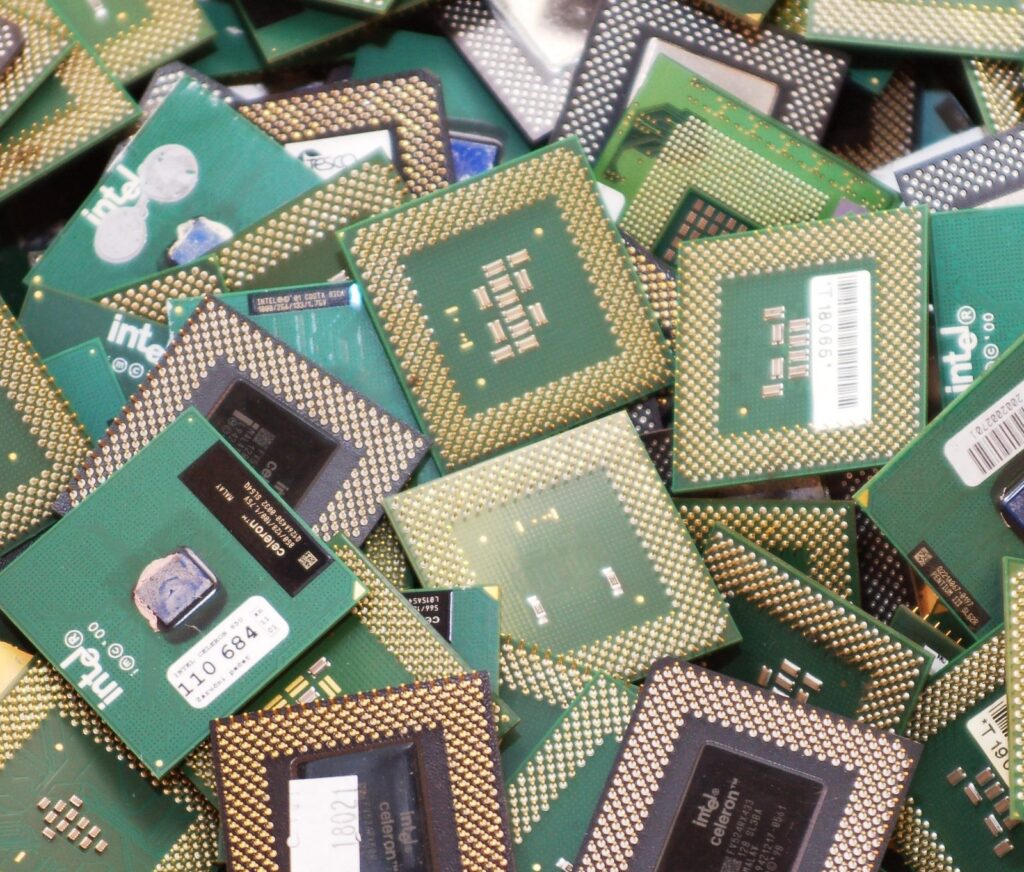
The world’s insatiable appetite for technology has a dark side: a mountain of discarded electronics, or e-waste. From phones to fridges, every gadget eventually reaches its end, leaving us with the question: what now? Ignoring e-waste isn’t an option. It pollutes our environment, releases harmful toxins, and squanders valuable resources. But knowing where to start can be overwhelming. So, let’s dive into the different types of e-waste and explore responsible disposal options. 1. ICT and Telecommunications: This category holds the crown for e-waste volume. Think computers, laptops, monitors, printers, phones, and their accessories. These devices contain hazardous materials like lead, mercury, and arsenic, posing significant health and environmental risks if not disposed of properly. Fortunately, many electronics manufacturers offer recycling programs, and dedicated e-waste collection centers are becoming increasingly common. 2. Household Appliances: From refrigerators and washing machines to toasters and microwaves, these seemingly innocent appliances pack a punch when it comes to e-waste. Often made with heavy metals and complex circuitry, they require specialized recycling processes. Look for manufacturer take-back programs or local e-waste collection events to ensure responsible disposal. 3. Consumer Electronics: Televisions, stereos, speakers, and gaming consoles fall under this category. While not as bulky as appliances, they still contain harmful materials and require proper handling. Check with your local electronics retailer or waste management company for recycling options. 4. Lighting: Gone are the days of tossing out incandescent bulbs. Modern LED and fluorescent bulbs contain mercury and other hazardous materials, making proper disposal crucial. Many hardware stores and supermarkets offer recycling programs for spent bulbs. 5. Medical Equipment: From x-ray machines to pacemakers, discarded medical equipment poses unique challenges. Due to sensitive patient data and potential biohazards, specific regulations govern their disposal. Healthcare facilities typically have established protocols for handling e-waste, but it’s crucial to ensure proper chains of custody are followed. 6. Toys and Leisure Equipment: Even children’s toys aren’t immune to the e-waste dilemma. Electronic toys, batteries, and gadgets all contribute to the growing problem. Opt for durable, non-electronic toys whenever possible, and recycle electronic ones responsibly. 7. Tools and Monitoring Instruments: Power tools, drills, and even weather stations fall under this category. While not as common as other types of e-waste, they still contain potentially harmful materials and require proper disposal. Many hardware stores offer tool recycling programs, and local e-waste collection events may accept these items. Remember: Research before you dispose: Not all e-waste is created equal. Check with your local waste management company or the manufacturer for specific disposal guidelines. Reuse and repair: Before rushing to dispose, consider if the item can be repaired or repurposed. Extending the life of your electronics reduces e-waste generation. Choose wisely: When buying new electronics, consider their longevity and repairability. Opt for durable, energy-efficient options to minimize your e-waste footprint in the long run. By understanding the different types of e-waste and adopting responsible disposal habits, we can unplug this growing problem and ensure a healthier planet for future generations. References: United Nations Environment Programme: https://www.unep.org/ietc/what-we-do/e-waste-management Environmental Protection Agency: https://www.epa.gov/smm-electronics International Telecommunication Union: https://www.itu.int/
Electronic waste and paper waste
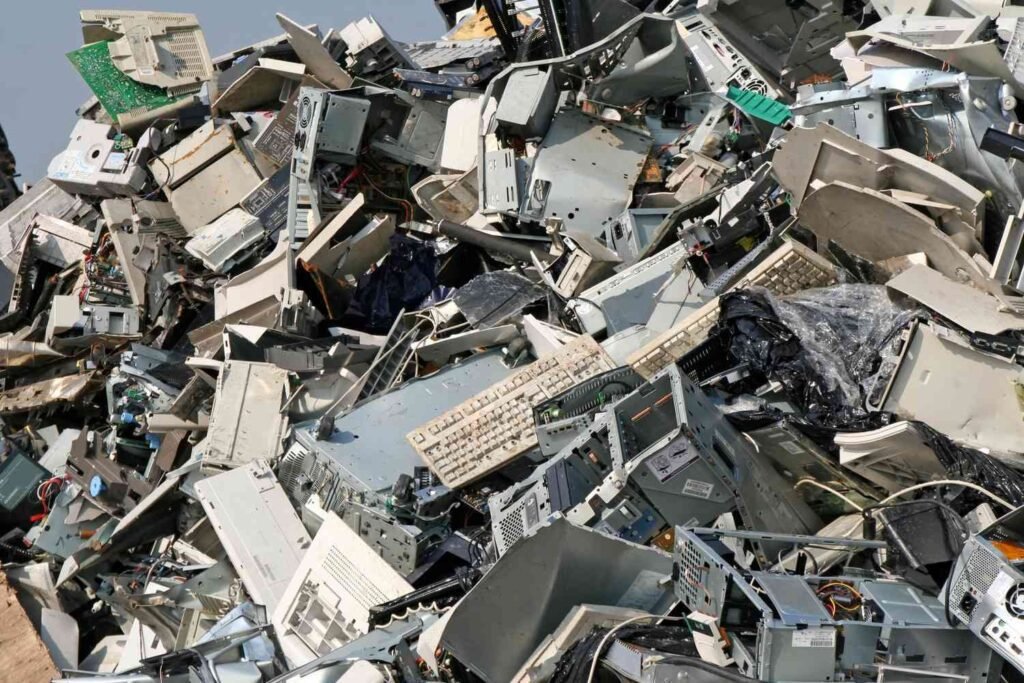
Decoding Environmental Impact: eWaste vs. Paper Waste Our tech-reliant world faces a growing dilemma: balancing the convenience of technology with its environmental footprint. Electronic waste (eWaste) and traditional paper waste pose distinct challenges, demanding conscious choices for a sustainable future. Let’s untangle the complexities, compare their ecological impacts, and unlock solutions for a greener tomorrow. Understanding eWaste’s Toxic Bite: Hidden within our gadgets lurk hazardous materials. Responsible disposal becomes paramount. Seek out eWaste recycling programs or manufacturer take-back initiatives to minimize harm (EPA, 2022). Give long life to your electronics – explore repair options and upgrades! The Paper Trail: Friend or Foe? Though biodegradable, paper’s production leaves a bitter mark on forests. Embrace recycled paper and digital alternatives to curb your consumption (WWF, 2022). Double-sided printing is a simple magic trick for reducing paper’s footprint. Weighing the Footprints: Which Bites Harder? eWaste manufacturing is resource-hungry, but devices’ extended lifespans can compensate (UNU, 2022). Paper, on the other hand, leaves a clear path of deforestation and water pollution. Choosing wisely becomes crucial. Sustainable Solutions: Your Green Toolbox: eWaste Recycling Centers: Locate designated facilities for responsible electronics disposal. Digital Transition: Embrace e-documents and communication to minimize paper dependence. Recycled Products: Choose electronics and paper crafted from recycled materials. Optimizing for a Greener Web: Title: Decoding Environmental Impact: eWaste vs. Paper Waste Meta Description: Explore the ecological footprints of electronic and paper waste. Learn sustainable practices from eWaste recycling to choosing recycled paper, for a greener future. Keyword Placement: Weave relevant keywords (eWaste, paper waste, recycling) naturally throughout the content. Readability: Keep headings clear, paragraphs short, and sentences concise for improved accessibility. Internal & External Links: Connect readers to related articles on your site and reputable environmental sources. Conclusion: The battle against eWaste and paper waste demands careful choices. By embracing sustainable practices, we can collectively create a healthier planet. Let’s make informed decisions today for a more sustainable tomorrow. Environmental Protection Agency (EPA): The EPA website has a wealth of information on e-waste, including tips on recycling, proper disposal, and the environmental impacts of e-waste. You can find more information here: https://www.epa.gov/smm-electronics World Health Organization (WHO): The WHO website has a fact sheet on e-waste that discusses the health risks associated with e-waste exposure. You can find more information here: https://www.who.int/news/item/15-06-2021-soaring-e-waste-affects-the-health-of-millions-of-children-who-warns
Universal waste vs E-waste
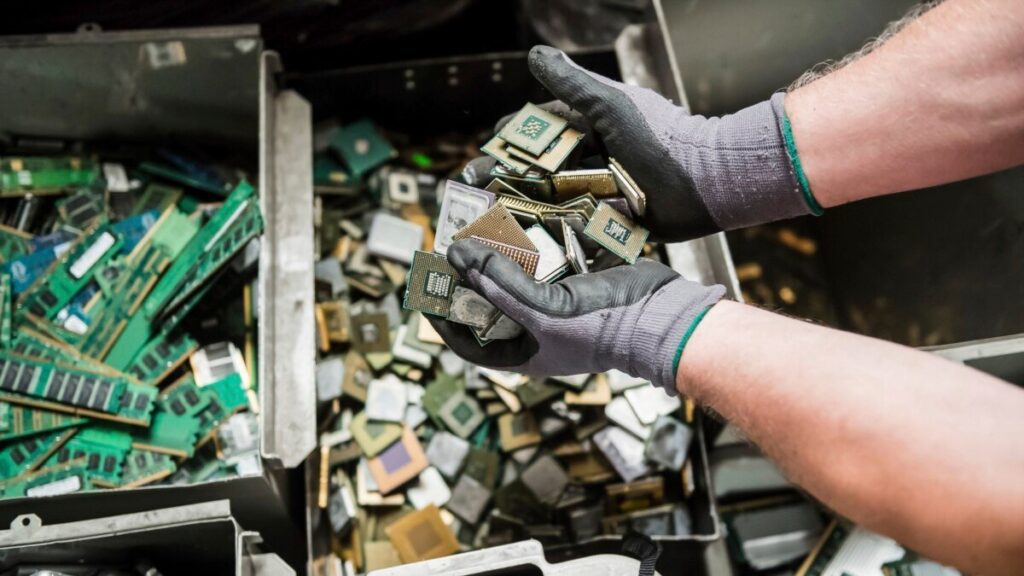
Introduction: In the ever-evolving landscape of waste management, distinguishing between electronic waste (e-waste) and universal waste is crucial. Understanding the differences ensures proper disposal and contributes to a sustainable future. Defining E-Waste: Electronic waste encompasses discarded electronic devices like smartphones, laptops, and appliances. These items often contain hazardous materials, demanding specialized handling to prevent environmental harm. Universal Waste Unveiled: Universal includes commonly generated hazardous waste items such as batteries, certain light bulbs, and pesticides. Unlike e-waste, universal waste regulations aim to streamline disposal processes for these widely produced hazardous materials. Key Differences: Composition: E-Waste: Primarily electronic devices with complex components. Universal Waste: Common household hazardous items like batteries and certain light bulbs. Regulatory Framework: E-Waste: Subject to specific e-waste disposal regulations to mitigate environmental impact. Universal Waste: Governed by waste regulations for simplified handling and recycling. Examples: E-Waste: Old computers, printers, and electronic gadgets. Universal Waste: Alkaline batteries, fluorescent light bulbs, and certain pesticides. Environmental Impact: Proper disposal of both e-waste and waste is critical. Recycling these materials prevents hazardous substances from seeping into the environment, protecting ecosystems and human health. Optimizing E-Waste Disposal: Local Recycling Centers: Find e-waste recycling centers that adhere to environmental standards. Manufacturer Take-Back Programs: Utilize programs offered by electronics manufacturers for responsible disposal. Community Collection Events: Participate in local events for safe e-waste disposal. Universal Waste Management Tips: Battery Recycling Bins: Dispose of batteries in designated recycling bins. Fluorescent Bulb Recycling: Use recycling facilities for proper disposal of fluorescent bulbs. Pesticide Collection Programs: Check for local programs to safely dispose of unused pesticides. Conclusion: Understanding the distinctions between e-waste and waste empowers us to make informed choices. Embrace responsible disposal practices to contribute to a cleaner, safer environment.
E-waste Comparisons
E-waste. It’s the bane of our tech-obsessed world, a mountain of discarded gadgets overflowing landfills and leaching toxins into the environment. But amidst the chaos, there’s a glimmer of hope: responsible e-waste management. And at the heart of it all lies comparison. That’s right, knowing how different e-waste disposal options stack up is crucial for making informed choices. So, buckle up, eco-warriors, because we’re diving deep into a 41-point comparison battle royale between various e-waste management methods. Round 1: The Contenders In one corner, we have the traditional titans: Landfills: The OG dumping ground, convenient but oh-so-polluting. Think toxic soup and methane monsters. Incineration: Burns e-waste to ashes, reducing volume but spewing nasty air pollutants. Not exactly a breath of fresh air. In the other corner, the sustainability champions: Formal recycling: Experts dismantle and process e-waste, recovering valuable materials and giving gadgets a second life. Think phoenix rising from the ashes (of circuit boards). Informal recycling: Resourceful individuals collect and reassemble e-waste, often in developing countries. Can be risky due to hazardous materials and unfair working conditions, but also offers valuable livelihoods. Round 2: The Bouts (41 Comparisons!) Environmental Impact: Landfills: Huge ecological footprint, contaminating soil and water with heavy metals and chemicals. Incineration: Air pollution galore, releasing harmful dioxins and greenhouse gases. Formal recycling: Minimizes environmental impact by recovering resources and preventing pollution. Informal recycling: Can be both damaging (improper handling of hazardous materials) and beneficial (reduced waste, job creation). Resource Recovery: Landfills: Buried treasure? More like buried potential. Valuable materials locked away forever. Incineration: Turns resources into smoke signals. Up in flames goes the potential for reuse. Formal recycling: Champion of resource recovery, extracting precious metals and minerals for future generations. Informal recycling: Can be surprisingly efficient at resource recovery, but often lacks proper infrastructure and regulations. Human Health: Landfills: Leaky landfills contaminate drinking water and expose communities to toxins. Health hazard, anyone? Incineration: Air pollution from incineration can trigger respiratory problems and exacerbate existing health conditions. Formal recycling: Properly managed recycling protects workers and communities from hazardous materials. Informal recycling: Can expose workers to health risks due to lack of protective equipment and awareness. Economic Benefits: Landfills: Creates minimal jobs, mostly in waste collection and landfill management. Not exactly an economic boom. Incineration: High operational costs and limited job creation. Not the economic engine we’re looking for. Formal recycling: Creates green jobs in recycling facilities, boosting the circular economy. Informal recycling: Can provide income for marginalized communities, but often operates in the informal sector with limited economic security. Accessibility and Convenience: Landfills: Easy peasy, just toss it in the bin and forget about it. (But not in a good way…) Incineration: Requires specialized facilities and infrastructure, not readily available everywhere. Formal recycling: Varies depending on location. Some areas have robust recycling programs, while others lag behind. Informal recycling: Often operates in areas with limited formal recycling options, providing accessible disposal channels. Legality and Regulation: Landfills: Depends on local regulations. Some countries have strict landfill controls, while others are lax. Incineration: Subject to environmental regulations to minimize air pollution, but enforcement can vary. Formal recycling: Generally well-regulated to ensure responsible handling of e-waste. Informal recycling: Often operates outside of formal regulations, raising concerns about worker safety and environmental practices. Transparency and Accountability: Landfills: What happens once it’s in the landfill? A black hole of obscurity. Incineration: Similar black box effect. We know it burns, but what happens to the ashes and emissions?
E-waste connection
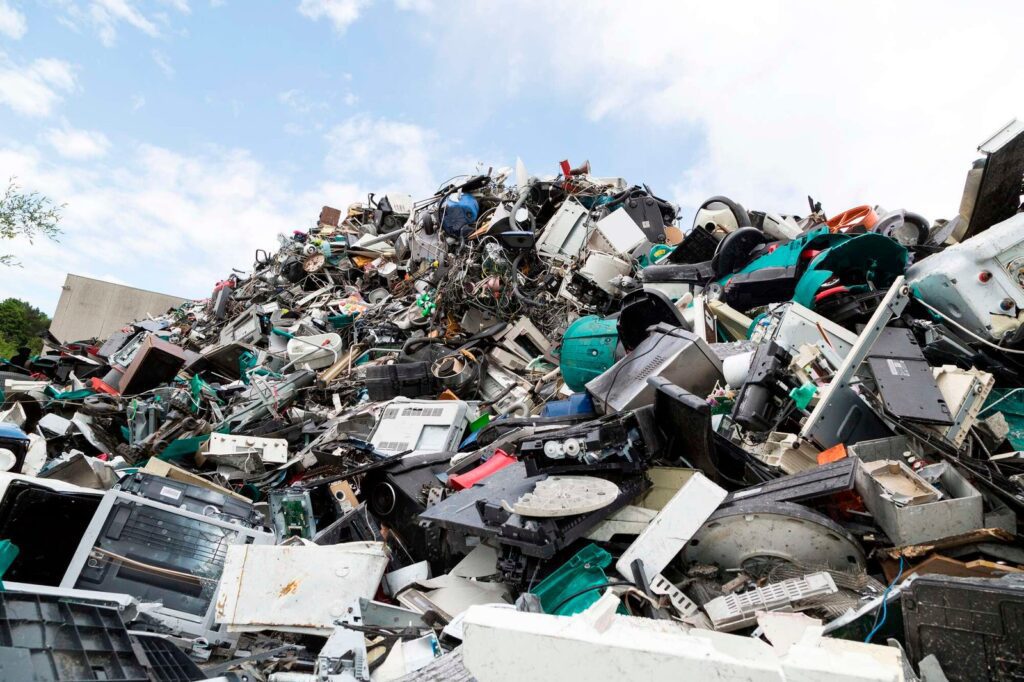
E-waste Connection: Unplugging the Dark Side of Our Digital Lives The sleek smartphone in your hand, the humming laptop on your desk – these marvels of technology connect us, inform us, and entertain us. But what happens when their usefulness fades? Enter the shadowy underworld of e-waste, a growing global crisis with an insidious connection to our digital habits. The Numbers Don’t Lie: The world generated a staggering 53.7 million metric tons of e-waste in 2019, and that number is projected to reach 74.7 million tons by 2030 (The World Bank, 2022). Only 17% of this e-waste is recycled, meaning the rest ends up in landfills, incinerators, or dumped illegally, leaching toxic chemicals into soil and waterways (UN Environment Programme, 2020). The Dark Side of the Circuit Board: E-waste isn’t just old gadgets. It’s a Pandora’s box of hazardous materials: Lead, mercury, and cadmium can contaminate the environment and pose serious health risks, affecting the nervous system, brain development, and even fertility. Open burning of e-waste releases harmful dioxins and furans, contributing to air pollution and respiratory illnesses. Improper disposal exposes workers in developing countries to dangerous chemicals and working conditions. Connecting the Dots: Our insatiable appetite for the latest tech fuels the e-waste problem. We upgrade our phones every year, replace laptops on a whim, and discard gadgets with barely a second thought. This culture of disposability is unsustainable and deeply connected to our digital habits: Planned obsolescence: Manufacturers shorten device lifespans, forcing us to buy new products, generating more e-waste. Fast fashion tech: The constant churn of trends and upgrades fuels our desire for the “new,” accelerating the discard cycle. Digital hoarding: We hold onto old devices “just in case,” cluttering our homes and contributing to the e-waste pile. Rewiring the Connection: Breaking free from the E-waste Connection requires a multifaceted approach: Responsible consumption: Think twice before buying a new gadget. Can you repair your old one? Buy second-hand? Extend its lifespan? Sustainable design: Manufacturers must prioritize durability, repairability, and responsible material sourcing. Effective recycling programs: Governments and businesses need to invest in proper e-waste infrastructure and accessible recycling facilities. Individual action: Educate yourself and others about e-waste, choose eco-friendly brands, and advocate for responsible tech practices. Unplugging from the Dark Side: Our digital lives don’t have to come at the cost of environmental and human health. By understanding the E-waste Connection and taking meaningful action, we can rewrite the narrative, making our tech smarter, greener, and more just. Remember, the power to unplug the dark side is in our hands.