
When was e-waste a problem?
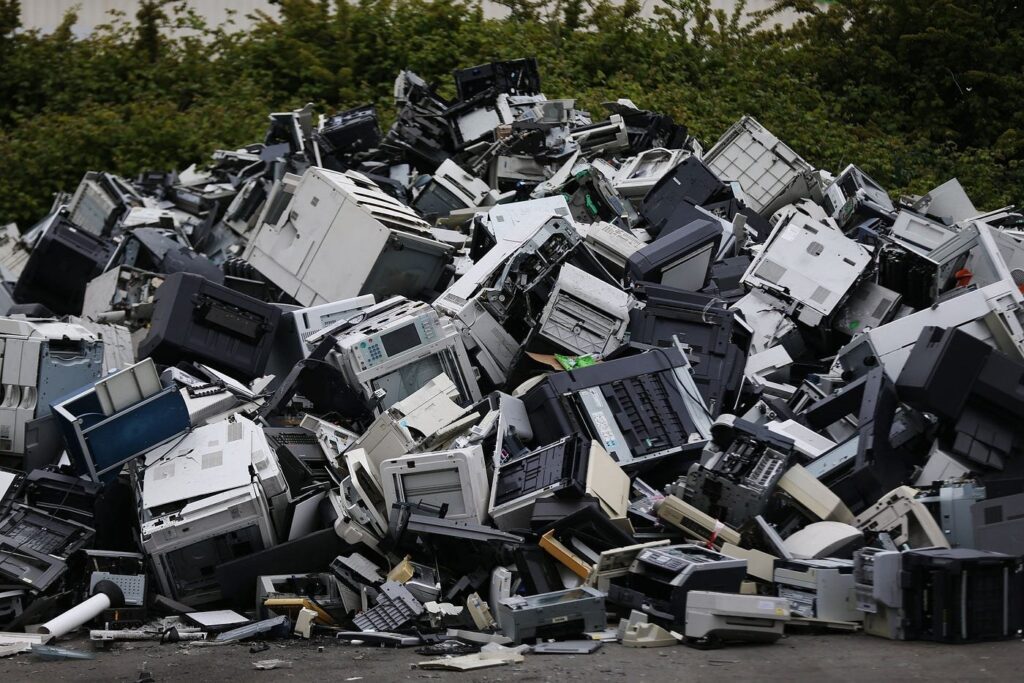
“When was e-waste a problem?“ It’s a question that haunts environmentalists and tech enthusiasts alike. The mountains of discarded gadgets piling up across the globe paint a bleak picture, but pinpointing the exact origin of this electronic avalanche is trickier than you might think. Seeds of a Digital Dilemma: While concerns about electronic waste (e-waste) can be traced back to the early 1970s with the rise of large, clunky computers, the term “e-waste” itself didn’t gain traction until the 1990s. This coincides with the explosive growth of personal computers and mobile phones, laying the groundwork for the exponential surge in discarded electronics we witness today. Fueling the Fire: Several factors have stoked the e-waste inferno: Rapid technological advancements: New smartphones, computers, and gadgets render their predecessors obsolete at an alarming rate, accelerating the disposal cycle. Planned obsolescence: Whispers abound about manufacturers designing devices with shorter lifespans, intentionally pushing consumers towards upgrades. Consumerism: Our insatiable appetite for the latest gizmos exacerbates the problem, encouraging frequent gadget replacements. The Toxic Underbelly: E-waste isn’t just an eyesore; it’s a ticking environmental and health time bomb. Many electronic components contain hazardous materials like lead, mercury, and arsenic. Improper disposal of these devices can leach these toxins into the soil and water, poisoning ecosystems and endangering human health. Where Do We Stand Now? As of 2023, e-waste is the fastest-growing waste stream in the world, with an estimated 53.6 million metric tons generated annually. This number is projected to skyrocket to 74.7 million tons by 2030, highlighting the urgency of addressing this crisis. A Glimmer of Hope: Despite the grim outlook, there are rays of hope. International regulations like the Basel Convention aim to control the transboundary movement of hazardous waste, including e-waste. Additionally, responsible manufacturers are implementing eco-design principles and take-back programs, promoting responsible e-waste management. So, when was e-waste a problem? The answer, unfortunately, is multifaceted. While early awareness emerged in the 1970s, the problem truly exploded in the late 20th and early 21st centuries, fueled by technological advancements, consumerism, and questionable industry practices. But the story doesn’t end there. We can still steer this runaway train towards a sustainable future by fostering responsible electronic production, consumption, and disposal. The question isn’t just “when” was e-waste a problem, but how quickly can we find solutions to mitigate this growing threat? Take Action: Educate yourself about e-waste disposal options in your area. Choose durable, repairable electronics over flimsy alternatives. Extend the life of your gadgets through proper care and maintenance. Support manufacturers with responsible e-waste policies. Spread awareness about the e-waste crisis and advocate for sustainable solutions. Together, we can turn the tide on this electronic tsunami and build a greener future for all.
When did e-waste start?
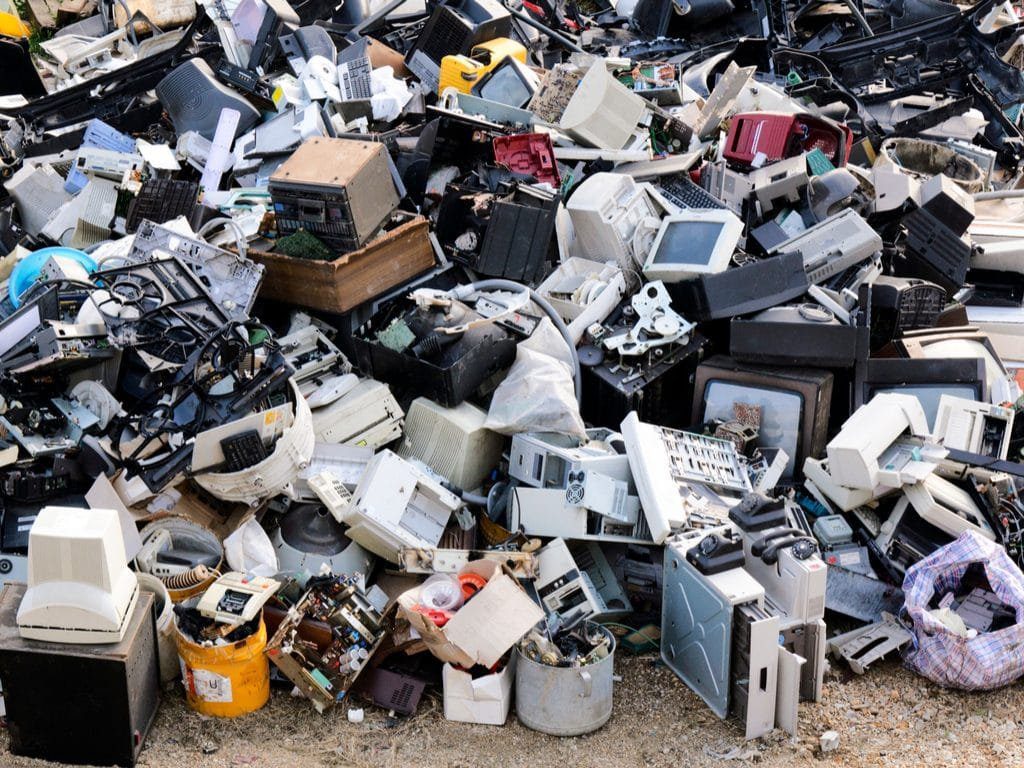
Understanding the Origins of a Growing Problem Introduction In today’s world, electronic devices are ubiquitous. When did e-waste start? They’re in our homes, our offices, our pockets, and even our cars. But as technology advances and new devices are released, older ones become obsolete, leading to a growing problem: electronic waste, or e-waste. When did e-waste start? This question is crucial to understanding the scope of the issue and finding effective solutions. Tracing the Roots of E-Waste While the concept of e-waste may seem relatively new, its origins can be traced back further than you might think. Here’s a brief timeline of key events that shaped the evolution of e-waste: Mid-1970s: The need for proper e-waste disposal began to emerge, driven by the increasing popularity of electronic devices. 1976: The Resource Conservation and Recovery Act (RCRA) was passed in the United States, making it illegal to dump e-waste in landfills. 1980s: Several international incidents involving e-waste dumping highlighted the need for global regulations. 1989: The Basel Convention was adopted, restricting the international trade of hazardous waste, including e-waste. 1991: Switzerland implemented one of the first formal e-waste recycling systems. Early 2000s: The European Union introduced the Waste Electrical and Electronic Equipment (WEEE) Directive, promoting e-waste recycling and reuse. Conclusion Understanding the history of e-waste is essential for addressing the challenges it poses today. By recognizing its early origins and the factors that have contributed to its growth, we can develop more effective strategies for responsible e-waste management and minimize its impact on the environment and human health. References: A Brief History on the Electronic Waste Disposal Industry: https://ecloudrecycle.com/about/ Electronic waste recycling – Wikipedia: https://en.wikipedia.org/wiki/Electronic_waste_recycling
What can e-waste cause
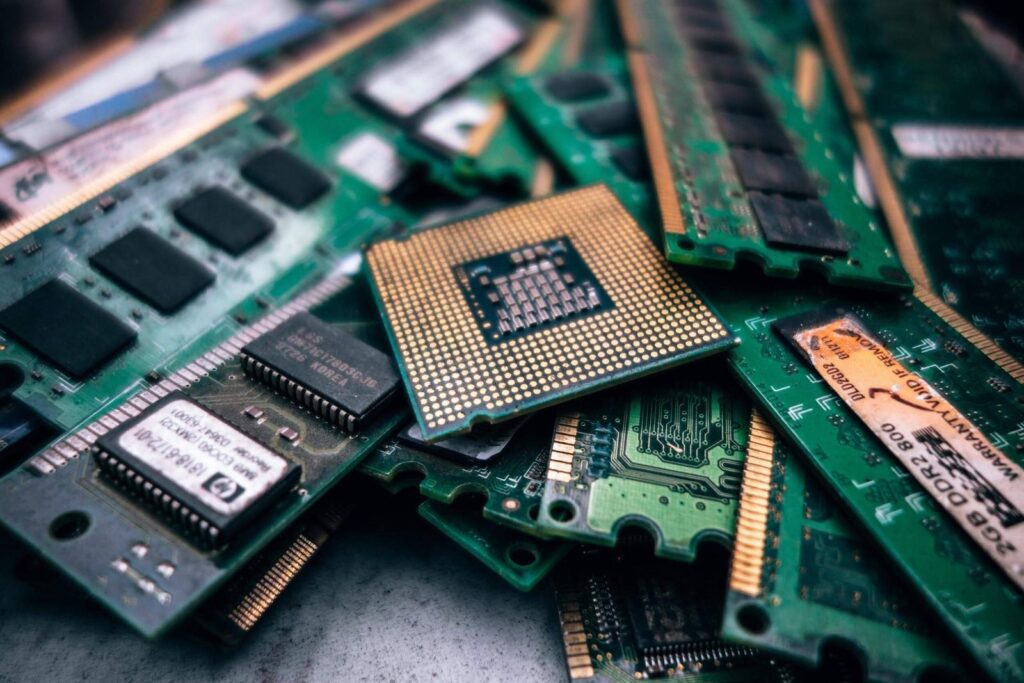
In our technologically driven world, the rapid consumption and disposal of electronic devices contribute to a growing concern – electronic waste, or e-waste. The repercussions of improper e-waste management can have far-reaching environmental consequences. Let’s delve into the question: What can e-waste cause? Toxic Leachates and Soil Contamination: E-waste is often laden with hazardous materials such as lead, mercury, and cadmium. Improper disposal, such as dumping electronics in landfills, can result in the leaching of these toxic substances into the soil. This contamination poses a severe threat to the fertility of the land and can have detrimental effects on plant and microbial life. Water Pollution and Human Health Risks: As e-waste toxins leach into the soil, there is a high risk of contaminating nearby water sources. This pollution can affect aquatic ecosystems and, in turn, pose threats to human health. Consuming water contaminated with hazardous materials from e-waste can lead to a range of health issues, including neurological disorders and developmental abnormalities. Airborne Hazardous Particles: E-waste disposal methods, such as incineration, release hazardous particles into the air. These airborne pollutants can contribute to air pollution, affecting both the environment and human respiratory health. Prolonged exposure to these pollutants may lead to respiratory diseases and other respiratory-related complications. Electronic Waste and Climate Change: The production, transportation, and disposal of electronic devices contribute to carbon emissions, contributing to climate change. E-waste management processes, including recycling and incineration, release greenhouse gases into the atmosphere. Addressing e-waste is not only an environmental concern but also a critical aspect of global efforts to combat climate change. Mitigating the Impact: To address the question of what e-waste can cause, proactive measures are essential. Responsible e-waste disposal, recycling initiatives, and raising awareness about the environmental impact of e-waste are crucial steps toward mitigating these issues. For further insights into the environmental impact of e-waste, refer to reputable sources such as Greenpeace’s Guide to Greener Electronics and The Basel Action Network (BAN). Understanding the consequences of e-waste empowers us to make informed choices for a sustainable and healthier future.
How Can E-Waste Be Disposed?
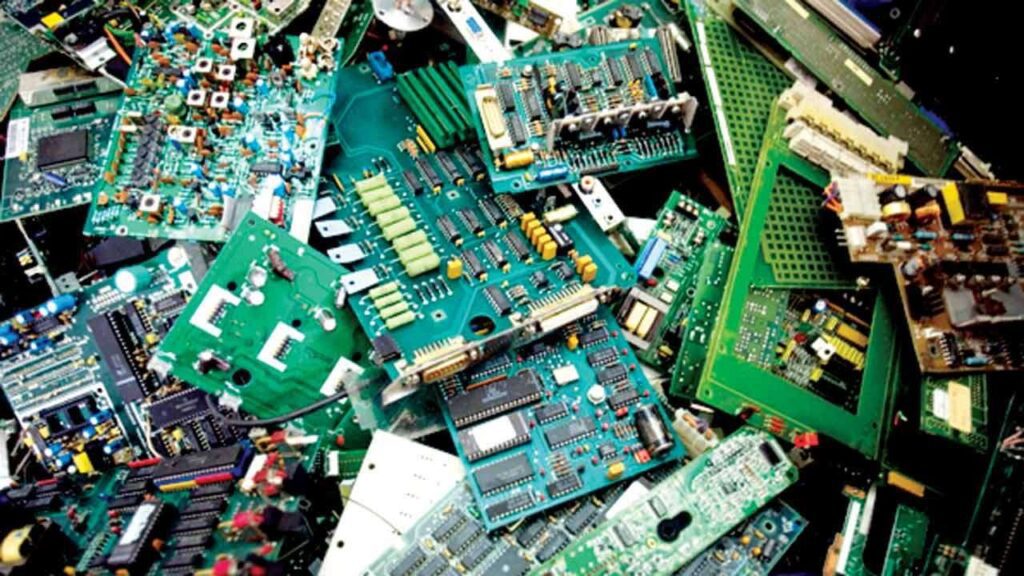
Our tech-driven lives generate a mountain of electronic waste – phones, laptops, tablets, the list goes on. But when these gadgets reach their retirement age, tossing them in the trash is a recipe for environmental and health disaster. So, how can e-waste be disposed of responsibly and sustainably? Let’s explore the options: 1. Recycle, Recycle, Recycle! This is the golden rule for e-waste disposal. Find certified e-waste recycling facilities near you. They’re equipped to safely dismantle and process electronics, recovering valuable materials like metals and plastics for reuse. This not only saves resources but also prevents harmful toxins from leaching into the environment. Check out: Earth911: https://earth911.com/recycling-center-search-guides/ Recycle Nation: https://recyclenation.com/ e-Stewards: https://e-stewards.org/ 2. Give Your Tech a Second Life: Before sending your electronics to the afterlife, consider giving them a second chance! Donate them to charities or schools that can refurbish and distribute them to those in need. This extends the lifespan of your devices while bridging the digital divide. Organizations like: TechSoup: https://www.techsoup.global/ World Computer Exchange: https://worldcomputerexchange.org/ Freecycle: https://www.freecycle.org/ 3. Sell, Swap, and Barter: If your old tech still has some life left in it, consider selling it online or at local tech exchange events. You can earn some extra cash while giving someone else a good deal. Or, swap your gadgets with friends or family members for something you need. Platforms like: eBay: https://www.ebay.com/ Craigslist: https://www.craigslist.org/ Swappa: https://swappa.com/ 4. Manufacturer Take-Back Programs: Many manufacturers have take-back programs for their own products. They’ll collect and recycle your old devices, often for free. Check your device manufacturer’s website for details. Brands like: Apple: https://www.apple.com/shop/trade-in Samsung: https://www.samsung.com/us/aboutsamsung/sustainability/environment/responsible-recycling/programs/ Microsoft: https://www.youtube.com/watch?v=Ot2R1a9Yxpw Remember: Always erase personal data from your devices before recycling or donating them. Check your local regulations for specific disposal guidelines for certain e-waste items. Educate others about the importance of responsible e-waste disposal. By choosing these sustainable options, you’re not just decluttering your home – you’re making a positive impact on our planet and the health of future generations. Let’s ditch the dump and embrace responsible e-waste disposal, one gadget at a time! Further Reading: Environmental Protection Agency (EPA): https://www.epa.gov/smm-electronics International Labour Organization (ILO): https://www.ilo.org/wcmsp5/groups/public/—ed_dialogue/—sector/documents/publication/wcms_673662.pdf The Basel Convention: https://www.basel.int/TheConvention/Overview/tabid/1271/Default.aspx
Why is e-waste bad?
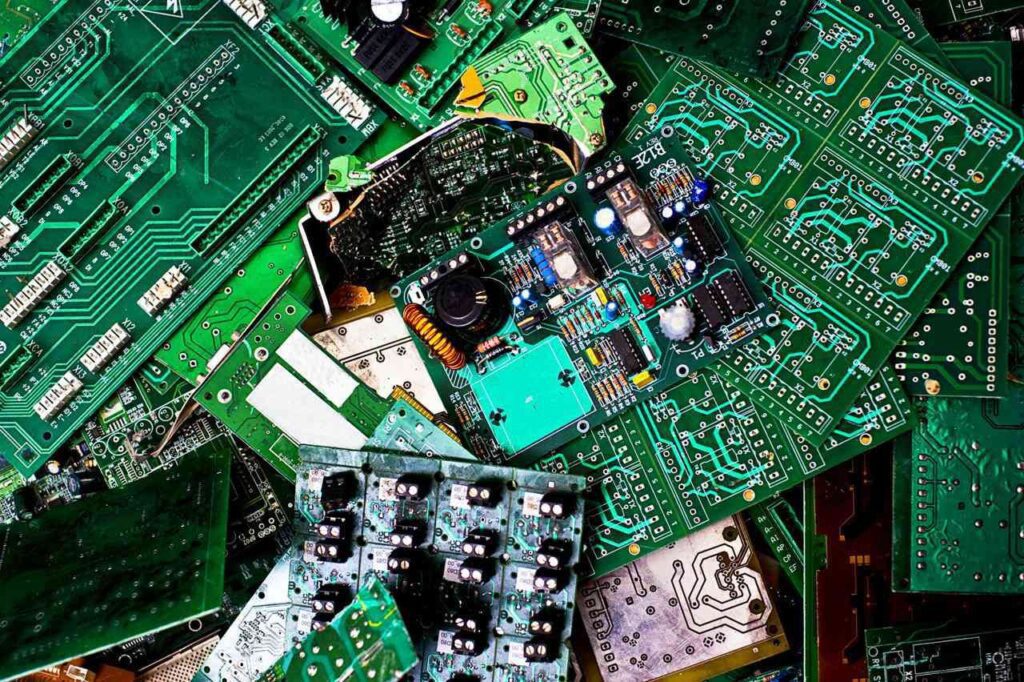
Technology marches on, leaving a trail of discarded devices in its wake. From smartphones to laptops, our reliance on electronics is at an all-time high, but what happens to these gadgets when they inevitably reach the end of their functional life? The answer, unfortunately, is often e-waste, and its impact on our health and environment is far from trivial. Why is e-waste bad? Let’s break it down: 1. Toxic Cocktail: E-waste isn’t just discarded plastic and metal. It’s a cocktail of hazardous materials like mercury, lead, arsenic, and brominated flame retardants (BFRs). When improperly disposed of, these toxins leach into the soil and water, contaminating ecosystems and threatening public health. Exposure can lead to a range of problems, from neurological damage and respiratory issues to birth defects and cancer. 2. Landfilling Frenzy: E-waste is the fastest-growing waste stream globally, with millions of tons ending up in landfills each year. This not only takes up valuable space but also poses a long-term threat as toxins slowly seep into the environment. Furthermore, traditional landfill methods often involve incineration, releasing harmful pollutants into the air. 3. Resource Robbery: Electronic devices contain valuable resources like rare earth metals, precious metals, and copper. Throwing them away is like tossing away valuable resources that could be recycled and reused. Improper e-waste management depletes our natural resources and creates a burden on future generations. 4. Global Inequality: The negative effects of e-waste aren’t evenly distributed. Often, developed countries export their e-waste to developing nations, where lax regulations and informal recycling practices expose workers and communities to hazardous conditions and toxic pollution. This is an unethical and unsustainable practice that needs to be addressed. So, what can we do? The responsibility lies with both individuals and corporations: Reduce: Resist the urge to upgrade constantly. Repair and maintain your devices if possible, and choose durable, long-lasting products. Reuse: Donate or sell old electronics instead of discarding them. Consider giving them a second life through upcycling projects. Recycle: Find responsible ewaste recycling facilities in your area and ensure your old electronics are disposed of safely and sustainably. Advocate: Support policies that promote responsible e-waste management and hold manufacturers accountable for the lifecycle of their products. E-waste isn’t just a pile of discarded electronics; it’s a ticking time bomb. By understanding the dangers and taking action, we can prevent e-waste from becoming a toxic legacy for future generations. Let’s choose a sustainable future where technology doesn’t come at the cost of our health and planet. Further Reading: World Health Organization: https://www.who.int/news/item/15-06-2021-soaring-e-waste-affects-the-health-of-millions-of-children-who-warns United Nations Environment Programme: https://www.unep.org/resources/report/e-waste-20-recycling-sustainability Basel Convention on the Control of Transboundary Movements of Hazardous Wastes and their Disposal: https://www.unep.org/resources/report/basel-convention-control-transboundary-movements-hazardous-wastes
Prepositions: ewaste 82/82
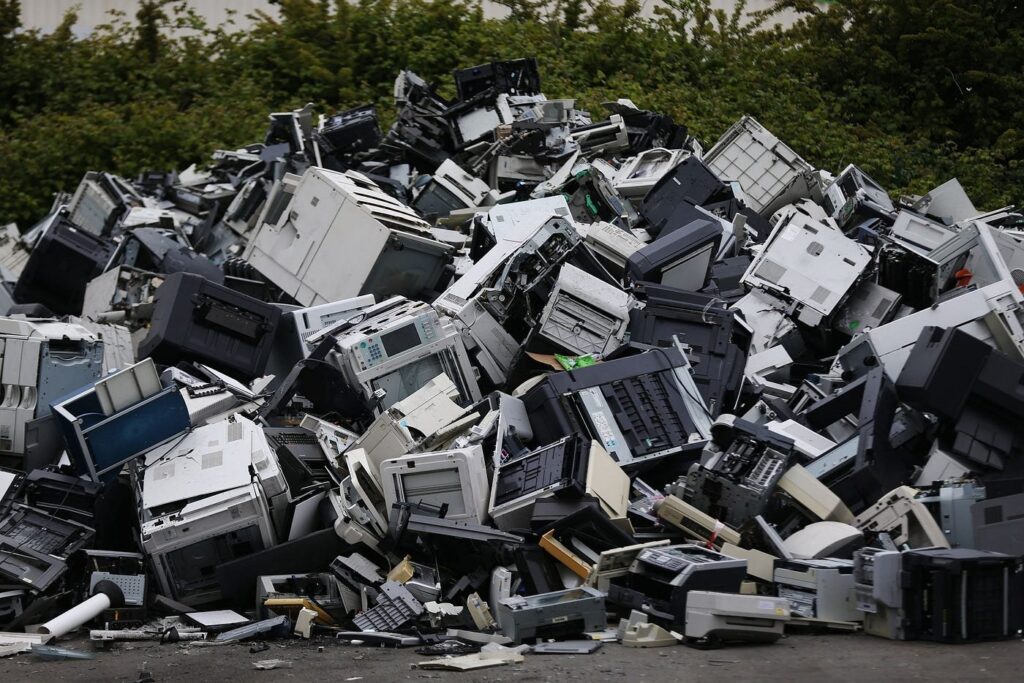
Our modern world pulsates with electronics, churning out gadgets faster than we can upgrade. But when these tech companions reach obsolescence, a complex labyrinth of Prepositions: ewaste emerges, guiding us through the murky world of e-waste. From proper disposal to advocating for sustainability, mastering these grammatical connectors becomes key to tackling this crucial environmental challenge. Delving into disposal: Let’s start with the basics. “At the recycling center,” you wouldn’t simply dump your e-waste; you’d inquire about responsible disposal options. “Through designated channels,” like authorized recycling facilities, your discarded devices embark on a new journey, avoiding the perils of landfills and open burning. Remember, choosing the right path for the environment relies on precise prepositional choices. Beyond discarding: E-waste isn’t just a disposal dilemma; it’s a sustainability puzzle. We advocate for eco-friendly design, urging manufacturers to prioritize materials readily recycled into new products. Opting for refurbished devices extends lifespans, reducing the need for constant replacements. By actively engaging with responsible practices, we rewrite the narrative around e-waste, turning it from a burden into a resource. Connecting communities: Prepositions also bridge the gap between individuals and collective action. We raise awareness among communities, educating them about the hidden dangers of improper e-waste management. Advocacy campaigns mobilize people to take action, encouraging them to stand up for responsible policies and regulations. Working together toward a sustainable future, we build a world where responsible e-waste practices become the norm, not the exception. Mastering the maze: Whether it’s guiding discarded devices to their proper destination or fostering community action toward a greener future, prepositions become the invisible threads weaving a tapestry of e-waste solutions. By understanding their nuances and wielding them with precision, we unlock the potential for a more sustainable tomorrow. So, let’s embrace the power of prepositions, navigating the labyrinth of e-waste with knowledge, action, and a commitment to a healthier planet. The E-waste Puzzle: Connecting the Dots to a Sustainable Future” by UNEP
E-waste and hazardous waste
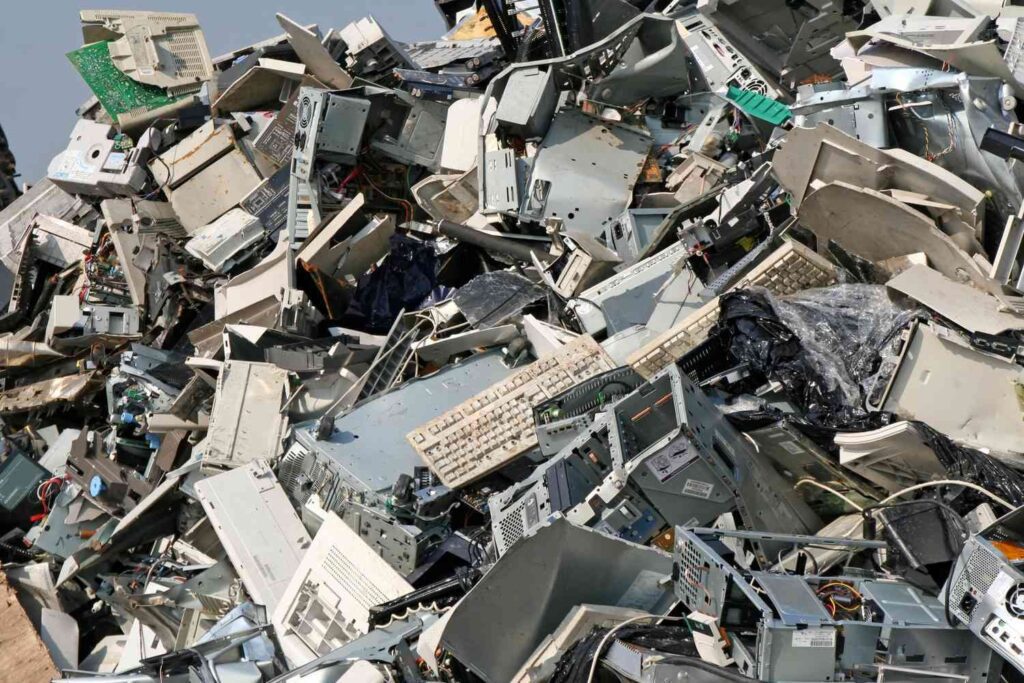
Introduction: In our technologically driven age, the coexistence of electronic waste (e-waste) and hazardous waste poses a significant environmental challenge. This blog explores the intricate relationship between these two categories, shedding light on the environmental implications and proposing sustainable solutions. Defining E-waste and hazardous waste: E-waste, comprising discarded electronics like smartphones and laptops, often contains hazardous materials. Improper management poses risks to ecosystems and human health. Environmental Risks: Toxic Components: Lead, mercury, and cadmium in e-waste can contaminate soil and water, threatening environmental integrity and public health. Hazardous Waste Impact: E-waste significantly contributes to the hazardous waste stream, escalating challenges in disposal and containment. Mitigating Environmental Impact: Responsible Disposal: Use certified e-waste recycling facilities for proper handling, preventing hazardous substances from entering the environment1. Circular Economy Promotion: Advocate for practices extending electronic device lifespans through repair, reducing hazardous waste generation. Regulatory Advocacy: Support stringent regulations for handling, disposal, and recycling of e-waste and hazardous materials. Conclusion: Understanding the link between e-waste and hazardous materials empowers informed choices. Through responsible disposal and commitment to a circular economy, we can collectively mitigate environmental hazards for a safer, more sustainable future. References: Feel free to customize the content to align with your website’s style and preferences. Footnotes United Nations Environment Programme (UNEP). (2022). “Solving the E-waste Problem.”
E-waste and its impact on environment
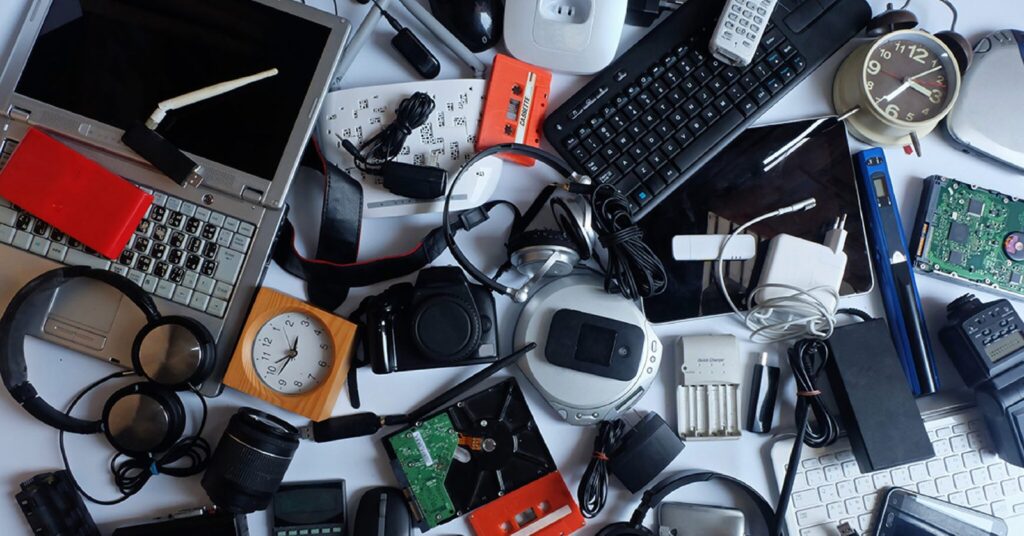
Introduction: In the era of technological progression, the surge in electronic waste (e-waste) poses a dire threat to our environment. This blog explores the multifaceted impact of e-waste and the urgent need for sustainable solutions. E-waste on the environment: A Menace Defined: E-waste encompasses discarded electronic devices like smartphones, laptops, and appliances. This electronic detritus, when improperly disposed, releases hazardous materials like lead, mercury, and cadmium, contributing to environmental degradation. The Far-reaching Consequences: Toxic Chemicals: E-waste contains hazardous substances that infiltrate soil and water, jeopardizing ecosystems and human health. Resource Depletion: The production of electronic devices demands substantial resources, exacerbating deforestation, mining, and energy consumption. E-Waste’s Ripple Effect on Climate Change: The management of e-waste, from transportation to recycling, amplifies the carbon footprint, intensifying the global issue of climate change. Sustainable practices are pivotal to curbing these deleterious effects on our planet. Navigating Towards Sustainable Solutions: Responsible Disposal: Engage e-waste recycling facilities to ensure the proper handling and disposal of electronic devices, mitigating environmental harm[^1^]. Extended Product Lifespan: Opt for repairing or upgrading devices instead of frequently replacing them to reduce resource demand. Promoting E-Waste Awareness: Educate communities on the crucial importance of responsible e-waste management, fostering a collective commitment to environmental well-being. By adopting sustainable solutions, we pave the way for a healthier environment, turning the tide against the adverse consequences of e-waste. References: Feel free to customize the content to align with your website’s style and preferences. Footnotes United Nations Environment Programme (UNEP). (2022). “Solving the E-waste Problem.”
E-waste and its recovery
Introduction: In the age of rapid technological evolution, electronic waste (e-waste) has emerged as a critical environmental concern. This blog explores the challenges of e-waste and sheds light on the crucial aspect of its recovery for a sustainable future. Understanding E-Waste: E-waste encompasses discarded electronic devices, from smartphones to appliances, containing hazardous materials. Proper disposal is vital to prevent environmental degradation caused by substances like lead, mercury, and cadmium. The Call for Recovery: Environmental Impact: Discarded electronics contribute to soil and water pollution, posing risks to ecosystems and human health. Resource Depletion: Electronic device production demands significant resources, contributing to deforestation, mining, and heightened energy consumption. E-Waste Recovery Methods: Recycling Facilities: Utilize specialized e-waste recycling centers for environmentally responsible disposal[^1^]. Reuse and Refurbishment: Extend the life of electronic devices by promoting repair, refurbishment, and secondary market opportunities. Resource Extraction: Explore advanced recovery techniques to extract valuable materials from e-waste, reducing the need for new resource extraction. Conclusion: E-waste is a pivotal step in mitigating the environmental consequences of electronic consumption. By embracing recycling, reuse, and innovative recovery methods, we can transform e-waste into a resource and contribute to a more sustainable and circular economy. References: United Nations Environment Programme (UNEP). (2022). “Solving the E-waste Problem.”
E-waste and plastic waste
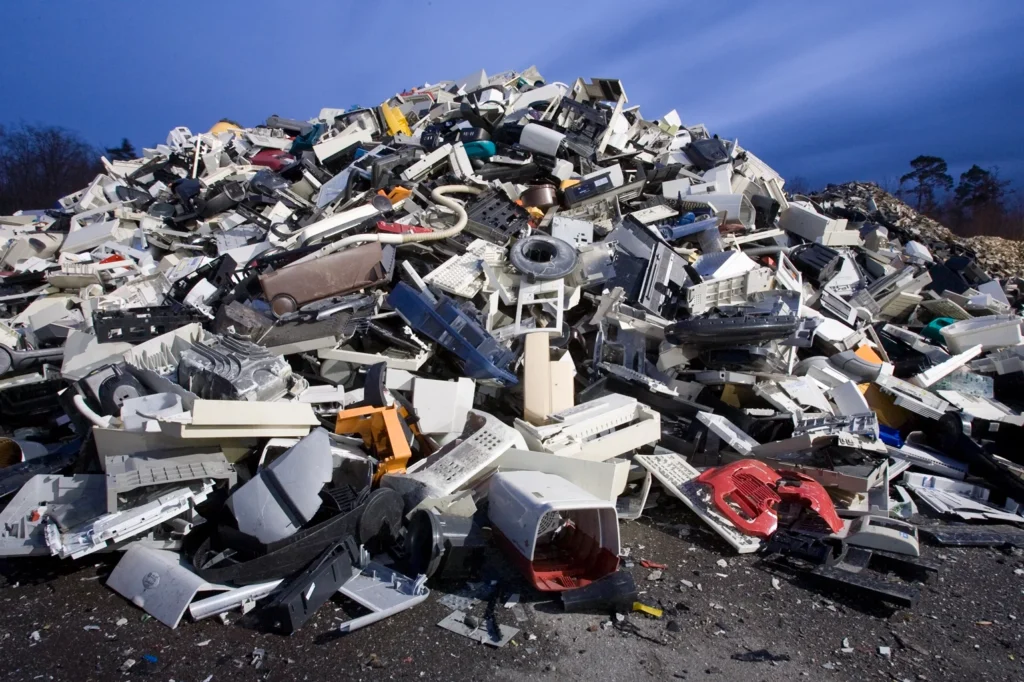
Introduction: In our digital age, the tandem challenges of electronic waste (e-waste) and E-waste and plastic waste demand sustainable solutions. Let’s delve into the environmental impact, explore effective management strategies, and chart a course toward a cleaner, healthier planet. Understanding E-Waste and Biomedical Waste: E-waste comprises discarded electronic devices, while plastic waste includes medical equipment and disposables. Both present unique challenges, including hazardous materials and the risk of environmental contamination. The Ecological Footprint: E-Waste’s Plastics: Electronic devices often contain plastics, contributing to the global plastic waste crisis. The improper disposal of these devices exacerbates environmental degradation. Biomedical Plastics: Medical equipment and packaging, laden with plastics, add to the burgeoning plastic waste stream. Safe disposal is critical to prevent harm to ecosystems. Impact on Human Health: Toxic Materials: E-waste and biomedical waste may contain harmful substances detrimental to human health, necessitating proper management and disposal practices. Community Well-being: The proximity of improperly managed waste to communities poses health risks, emphasizing the urgency of responsible waste management.Sustainable Solutions: Integrated Management Systems: Develop comprehensive waste management systems that address both E-waste and plastic waste , reducing their combined impact. Material Recovery: Prioritize the recovery of valuable materials from e-waste, including plastics, through recycling and upcycling initiatives. Community Education: Raise awareness about proper disposal methods, emphasizing the significance of recycling and the role individuals play in waste reduction. Conclusion: By forging a path towards sustainable e-waste and biomedical waste management, we can safeguard the environment, protect human health, and contribute to a more resilient and sustainable future. World Health Organization (WHO). (2022). “Biomedical Waste Management.” United Nations Environment Programme (UNEP). (2022). “Solving the E-waste Problem.”